

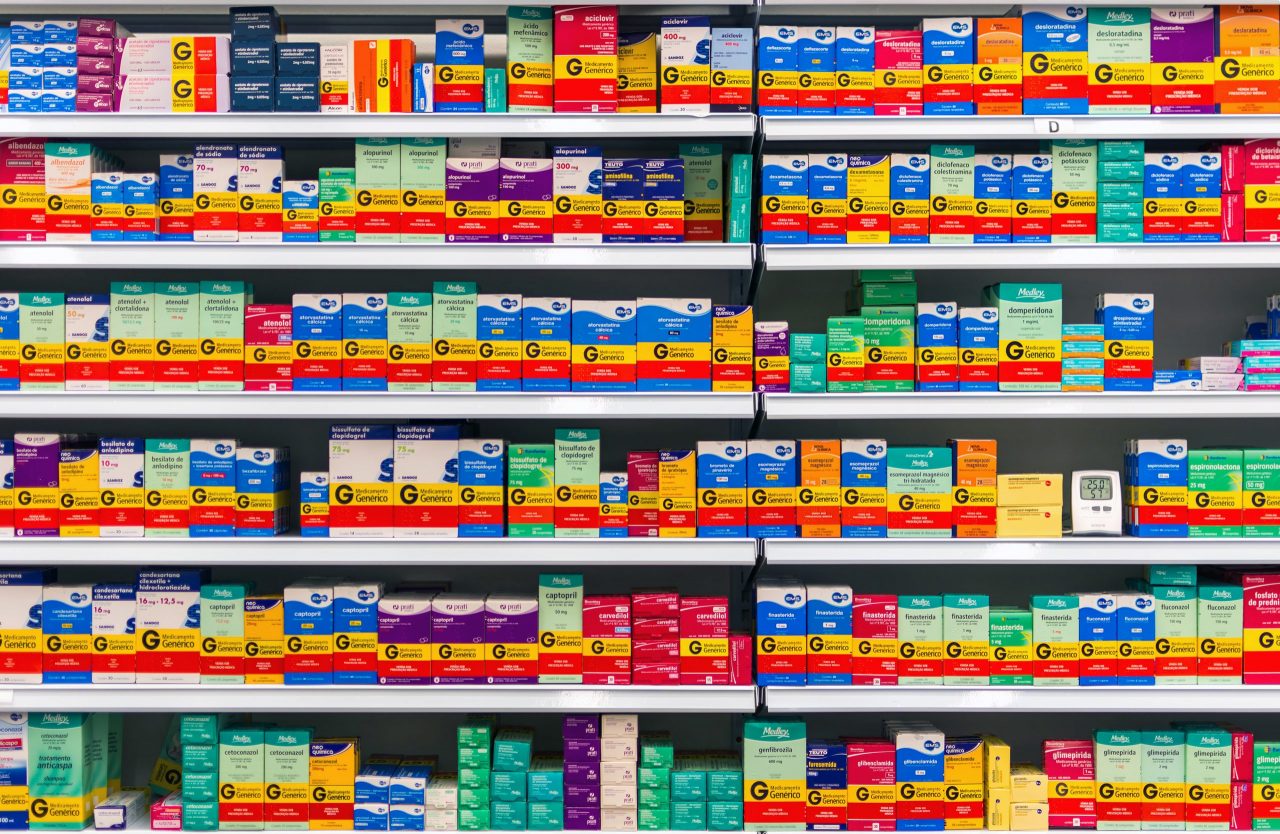
Karnataka’s Food Safety and Drug Administration Department has seized medicines from two storage facilities linked to Amazon Seller Services Pvt Ltd. The department alleges that the premises held drugs without a valid licence.
Officials seized stock worth Rs 2,45,352 from a facility at Thattanahalli in Anekal taluk. A second seizure, worth Rs 1,57,000, was made at a facility in the aerospace park area of Devanahalli. The two seizures together amount to Rs 4,02,352, according to reports on the raids published on 6 September.
Assistant Drugs Controller Manohar of the department’s state intelligence wing led the action in Bengaluru Urban. Drugs Inspector Vibha led the action in Bengaluru Rural. Inspectors found no documents authorising the storage of medicines at either premises. Amazon has not publicly responded.
Why it matters:Section 18(c) of the Drugs and Cosmetics Act, 1940 does not only prohibit selling a drug without a licence. It also prohibits stocking one. The provision bars a person, “himself or by any other person on his behalf”, from manufacturing for sale or distribution, selling, stocking, exhibiting or offering for sale, or distributing any drug without a licence. The only exception is where a licence has been granted.
That wording attaches the licence requirement to physical custody. An ecommerce marketplace in India usually raises three defences. It is an intermediary. It never owned the goods. It only listed them. All three answer the question of who sold the drug. None of them obviously answers the question of who was holding it.
The licence that was allegedly missing
Storing medicines for wholesale distribution requires a licence in Form 20B or Form 21B. These are issued by the state licensing authority under Rule 61 of the Drugs and Cosmetics Rules, 1945.
Form 20B covers drugs outside Schedules C, C(1) and X. Form 21B covers Schedule C and C(1) drugs, which include most injectables and biologicals. Licences attach to specific premises. A warehouse cannot, therefore, rely on a licence held for another address.
The consequences are not merely administrative. Stocking a drug without the licence required by Section 18(c) is an offence under Section 27(b)(ii). It carries imprisonment of not less than three years, extending to five years. The fine is not less than one lakh rupees, or three times the value of the drugs confiscated, whichever is higher. Section 22 gives an inspector the power to seize the stock. That is the power exercised here.
Warehouse, dark store or fulfilment centre?
What the two facilities actually are has not been established. The answer changes the legal analysis. Amazon runs at least three kinds of physical node in India. Fulfilment centres hold inventory that third-party sellers continue to own, while Amazon stores, picks and ships it. Grocery warehouses are a second category. The third is the network of dark stores Amazon has been building for quick commerce under Amazon Now, which it has expanded through 2026.
Say the seized stock belonged to third-party sellers in a fulfilment centre. The question then is whether an entity that stores drugs it does not own needs its own licence. Say instead that the stock was held for Amazon’s own rapid-delivery operation. The question is then closer to one Karnataka has already asked of quick commerce. The same department sealed a Zepto-linked warehouse in Hoskote taluk on 11 August over food safety violations. That action was part of a wider drive against quick-commerce warehouses and dark stores in the state.
Why the marketplace defence may not reach this
India’s foreign direct investment policy draws the line through Press Note 2 of 2018. A marketplace model is an information technology platform acting as a facilitator between buyer and seller. An inventory model is one where the ecommerce entity owns the goods.
A marketplace entity with foreign investment cannot exercise ownership or control over the inventory sold on it. Amazon’s India business is structured to sit on the marketplace side of that line.
That structure is what makes the storage question awkward. The same policy expressly contemplates the marketplace entity providing “logistics, warehousing, fulfilment” services to its sellers on an arm’s-length basis. So the arrangement that keeps Amazon out of ownership is the arrangement that puts it into custody. Ownership sits with the seller. The goods sit with the platform. Section 18(c) is drafted around the second of those.
This reading has not been tested in court. It should be put to a judge or the regulator rather than assumed. The closest live matter is IndiaMART Intermesh v CDSCO, WP(C) 13760/2025. The Delhi High Court restrained the drug regulator on 22 July 2025 from acting on its order sanctioning prosecution over drug listings. IndiaMART argued that it was a marketplace and not a seller. On that footing, it claimed safe harbour as an intermediary under Section 79 of the Information Technology Act, 2000. That case is about listings. This one is about a building.
Sectoral regulators have been moving towards physical custody for some time. The Bureau of Indian Standards ran search and seizure operations at Amazon and Flipkart warehouses in March 2025. It acted under Sections 17(1) and 17(3) of the BIS Act, 2016, in Lucknow, Gurugram and Delhi. Toys, blenders, cables and water bottles without a Standard Mark were seized. Going to the warehouse sidesteps the argument about who clicked sell.
The regulatory vacuum underneath
None of this would be as contested if India had notified rules for online medicine sales. The draft amendment to the Drugs and Cosmetics Rules covering e-pharmacies was published in 2018. It has still not been notified. Enforcement therefore runs on a 1940 statute written for chemists’ shops. It is being applied to logistics networks that the statute never contemplated. That is roughly the position MediaNama found when it filed an RTI on the rules, and again when the drug regulator issued notices to online pharmacies in 2023.
MediaNama has written to the Karnataka Food Safety and Drug Administration Department:
- On what date were the two inspections carried out, and what was the total quantity and value of the drugs seized at each premises?
- Under which provision were the seizures made, and which licence was found to be absent — a wholesale licence in Form 20B, in Form 21B, or another?
- In whose name were the premises held, and who is recorded as the occupier of each?
- Has any show-cause notice been issued, and if so, to whom — Amazon Seller Services Pvt Ltd, the sellers whose stock was held there, or both?
- Did the drugs seized include any in Schedule H, H1 or X?
- Does the department take the position that an entity storing drugs it does not own, on behalf of third-party sellers, requires a licence in its own name under Section 18(c)?
- Has the department inspected other ecommerce fulfilment centres or dark stores in Karnataka for drug licensing, and is a wider drive under way?
MediaNama has written to the Central Drugs Standard Control Organisation with the following questions:
- Has CDSCO issued any advisory or guidance to state licensing authorities on whether an ecommerce fulfilment centre, warehouse or dark store storing drugs on behalf of third-party sellers requires a licence in its own name?
- Does CDSCO consider Section 18(c) of the Drugs and Cosmetics Act, 1940 to attach to the entity in physical custody of a drug, irrespective of who owns it?
- What is the current status of the draft amendment to the Drugs and Cosmetics Rules on the sale of drugs by e-pharmacies, published in 2018?
- Following the Delhi High Court’s order of 22 July 2025 in IndiaMART Intermesh v CDSCO, WP(C) 13760/2025, has CDSCO revisited its approach to enforcement against online platforms?
- Has CDSCO been informed of the Karnataka seizures, and is any central action contemplated?
MediaNama has written to Amazon with the following questions:
- What are the two facilities — fulfilment centres, grocery warehouses, or dark stores serving Amazon Now?
- Did the medicines seized belong to third-party sellers, or to an Amazon entity?
- Does Amazon Seller Services Pvt Ltd hold a licence in Form 20B or Form 21B for either premises? If it does, could you share the licence numbers?
- What is Amazon’s position on whether an entity storing drugs it does not own requires a drug licence under Section 18(c) of the Drugs and Cosmetics Act, 1940?
- Has Amazon received a show-cause notice from the department?
- What screening does Amazon apply before accepting a seller’s drug inventory into a fulfilment centre?
This copy will be updated with their responses as we receive them.
- Zepto Pharmacy Launches 10-Minute Medicine Delivery
- Delhi HC Halts Regulator’s Prosecution Of IndiaMART For Illegal Drug Sales
- BIS Raids Amazon, Flipkart Warehouses In Hunt For Unsafe Products
