


Jobs: What It Means To Be ‘Disposable’ At Work
- Download
- Embed
<iframe src="https://www.npr.org/player/embed/nx-s1-5962906/nx-s1-mx-5962906-1" width="100%" height="290" frameborder="0" scrolling="no" title="NPR embedded audio player">
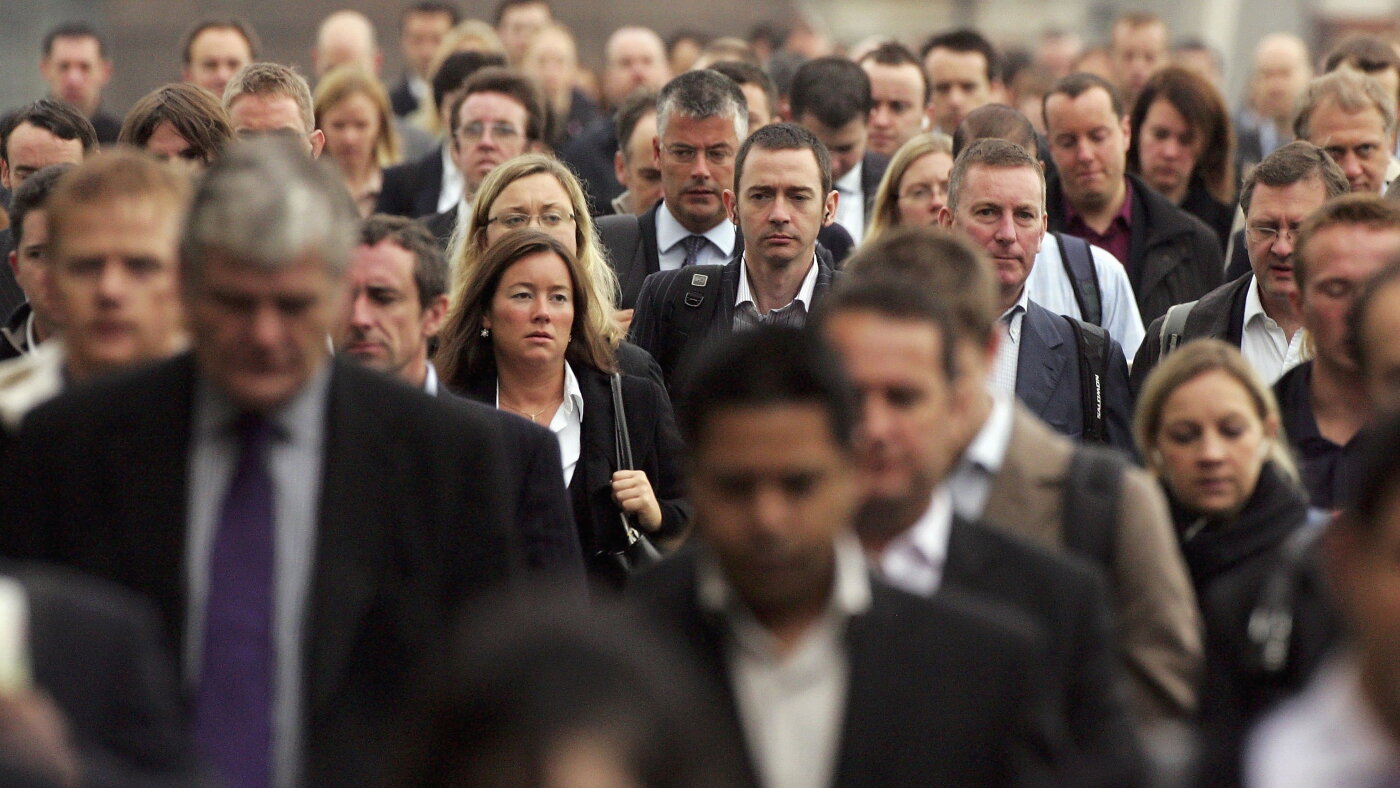
Commuters walk to work over London Bridge.
Scott Barbour/hide caption
The way we work has changed dramatically over the last decade. Using AI is quickly becoming the norm in many workplaces when, just a few years ago, it felt closer to science fiction. And the hybrid work model that began during the pandemic has made remote work much more common.
We’ve also seen shifts around what it means to be an “essential worker.” It’s a term that emerged during the pandemic, but has largely fallen out of our vocabulary. This category included nurses and doctors, government workers, those in transportation, food and agriculture, water, and waste management.
But there’s a different name for a growing segment of the work population that includes those we once deemed essential — the “disposable” worker. Unlike their “essential” counterparts, the disposable workforce isn’t defined by the services they offer, but by the weakening contract between them and their employers.
In honor of Labor Day week, we discuss what it means to be disposable in today’s labor market — and what happens when people abandon traditional work arrangements altogether.
Find more of our programsonline. Listen to 1A sponsor-free by signing up for 1A+ atplus.npr.org/the1a.
NPR does not offer or accept money for coverage or interviews.
Anyone who makes such an offer or request is not an NPR employee and does not represent NPR.
