

APAS says immediate expensing could boost productivity and competitiveness
The Agricultural Producers Association of Saskatchewan (APAS) is welcoming a proposed federal tax measure that would allow businesses to immediately expense most eligible capital investments.
Unveiled as part of the federal government’s new Productivity Mega Deduction, the proposal would allow qualifying assets purchased on or after Sept. 15, 2026, to be fully deducted in the year they are put into service rather than written off over several years.
APAS President Bill Prybylski says the measure could provide a significant benefit for producers facing major equipment costs.
“Farming these days is very capital intensive,” Prybylski said, noting that machinery purchases can easily exceed $1 million.
Longstanding APAS Priority
APAS has advocated for accelerated capital cost allowances for farm equipment for several years.
Prybylski said immediate expensing would give producers another management tool while encouraging investment in productivity-enhancing technology and equipment.
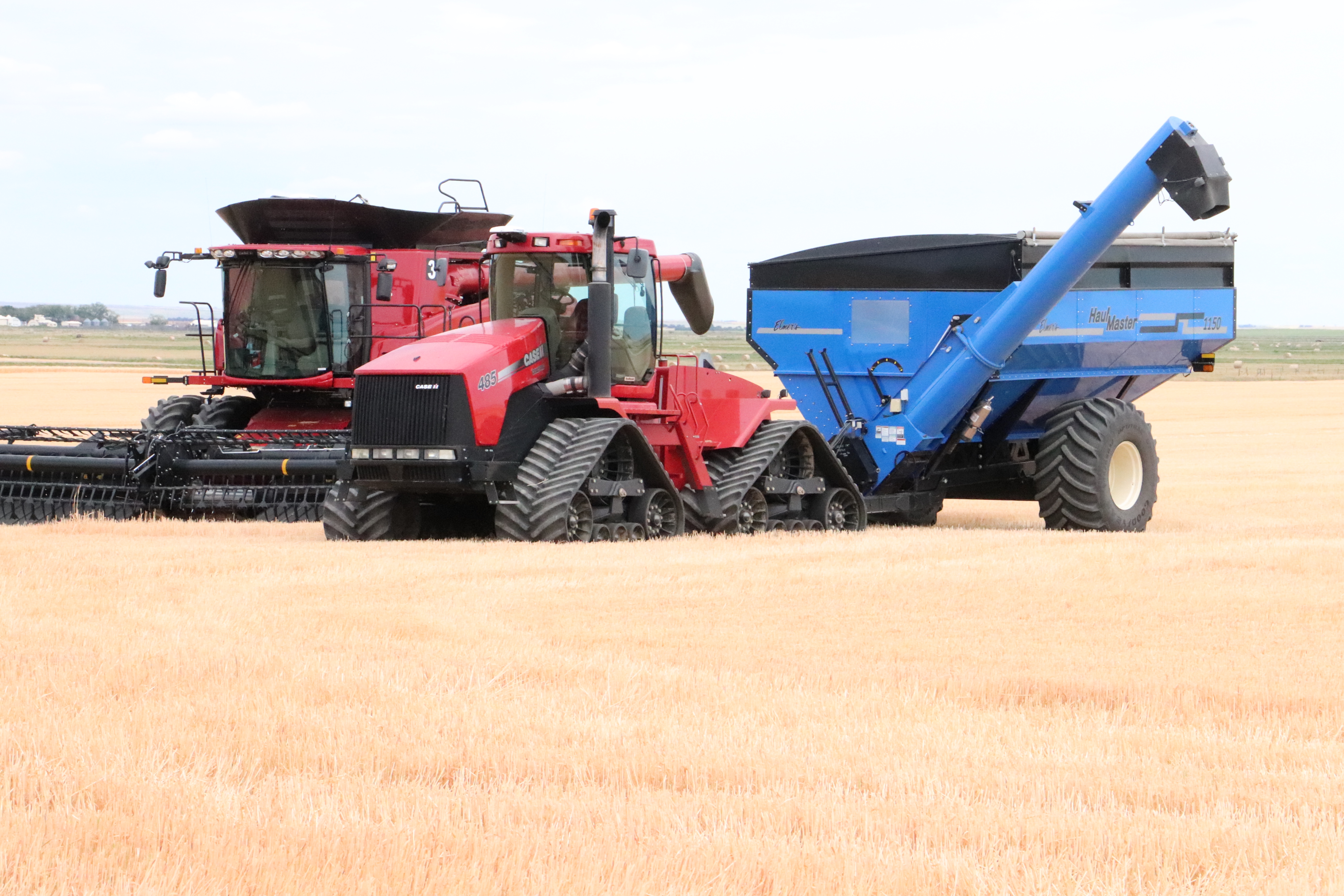
The organization expects the measure would apply to major farm assets such as tractors, combines, seeders and sprayers, subject to final legislation.
Lower Tax Burden on Investment
According to APAS, Department of Finance estimates suggest the marginal effective tax rate on new investment in agriculture and fishing could fall from 7.6 per cent to minus 6.0 per cent under the proposal.
The federal government says the broader Productivity Mega Deduction would reduce Canada’s overall tax burden on new business investment from about 13 per cent to 6.4 per cent, a level Ottawa says would be among the lowest in the world.
For producers, that could improve cash flow, speed up equipment replacement cycles and support adoption of new technology.
Not Yet Law
While welcoming the announcement, APAS notes the proposal still requires parliamentary approval.
Draft legislation has been released, and the organization is urging the federal government to move quickly so producers can factor the changes into future investment decisions.
Prybylski said policies that encourage investment are increasingly important as farmers face high machinery costs and growing international competition.
