

Add preferred source
Naver Cloud has unveiled “Naver Cloud Security Self-Diagnosis,” a free online service that lets companies assess their own security levels. The tool consists of 21 questions across seven areas, including network security, access control, and data protection and encryption. It features a separate “AI Environment Security” category covering response systems for AI-driven automated attacks, policies to prevent sensitive data leaks when employees use AI services, and access permission management for in-house AI systems. Upon completing the questionnaire, users receive guidance on industry-specific regulations, improvement directions, and related services, with referrals to security expert consultations if needed. Anyone can use it free of charge without entering a company name or contact information.
Key Elements

Naver Cloud has introduced a free online service that lets companies diagnose their own security levels and identify directions for improvement. The move targets a gap created by the rapid spread of generative AI and AI agents, which has widened the scope of security threats companies must handle, while firms without dedicated security organizations or specialists struggle to determine where to begin.
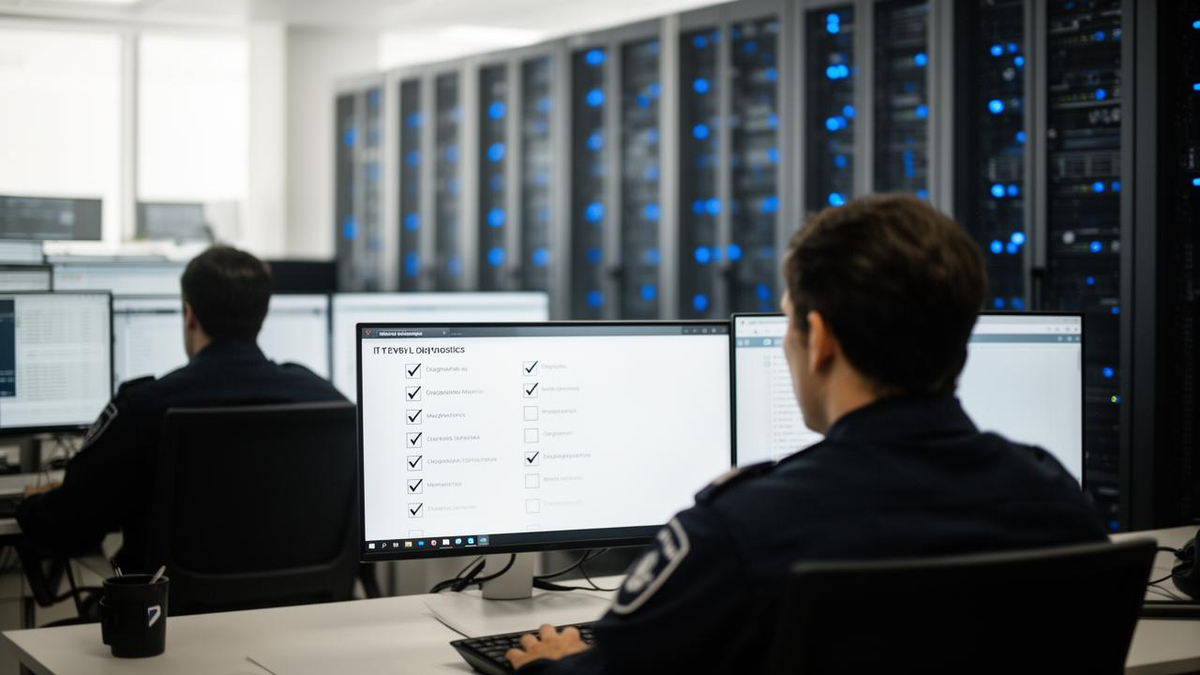
Naver Cloud said on the 19th that it has opened the “Naver Cloud Security Self-Diagnosis” website. Corporate managers answer an online questionnaire consisting of 21 questions across seven areas, including network security, access control, and data protection and encryption. The company describes it as a participatory diagnostic service built on its own cloud and security technology and operational experience.
The standout feature of the service is that it carves out “AI Environment Security” as a separate category. The scope of inspection, previously centered on infrastructure and data, has been extended to AI operating environments. The category examines response systems for AI-powered automated attacks, policies to prevent sensitive information from leaking when employees use external AI services, and access permission management for in-house AI systems.
Companies have been rapidly adopting generative AI and AI agents for their work, while hacking techniques that exploit AI have grown more sophisticated, pushing the targets of security management from infrastructure to the full range of AI service use. Yet firms that find it difficult to maintain a separate security organization have struggled to grasp their own status amid these changes.
The diagnosis does not end with presenting results. After completing the responses, users are guided through key regulations applicable to their industry, and areas needing improvement are presented with remediation directions and related services. Where necessary, users are connected to consultations with security experts. Anyone can use the service free of charge on the Naver Cloud Platform website without entering a company name or contact information.
Kim Jae-dong, Naver Cloud’s Chief Information Security Officer (CISO), said, “The importance of security grows by the day, but many companies are at a loss over where to begin their checks.” He added, “We have prepared the security self-diagnosis service so that anyone can easily start a security review, and we will continue to roll out practical security services to help companies prepare for new security threats in the AI era.”
| Category | Details |
|---|---|
| Diagnostic areas | 7 (network security, access control, data protection and encryption, AI environment security, etc.) |
| Number of questions | 21 |
| AI security check items | Response systems for AI automated attacks, policies to prevent sensitive data leaks when employees use AI services, access permission management for in-house AI systems |
| Results provided | Guidance on key industry-specific regulations, improvement directions and related services, connection to security expert consultations |
| Conditions of use | Free on the Naver Cloud Platform website without entering a company name or contact information |
Note: Diagnostic items and conditions of use are summarized from Naver Cloud’s announcement.
The service aligns with a trend in which cloud providers put security at the forefront of customer acquisition rather than treating it as a mere add-on feature. As companies expand AI adoption, security concerns become a factor that can sway purchasing decisions, so a model that uses free diagnostics to assess potential customers’ security status and connect them to improvement services can broaden a cloud platform’s customer touchpoints.
In particular, setting AI environment security as a separate category is unusual among South Korean cloud providers and is seen as a move to capture related security demand before corporate AI adoption fully takes hold. For small and midsize companies short on security staff, it provides a single channel to review regulatory compliance and improvement tasks at once. However, because the self-diagnosis is based on questionnaire responses rather than identifying actual vulnerabilities, follow-up measures that turn diagnostic results into real security enhancements will likely determine its success.
