

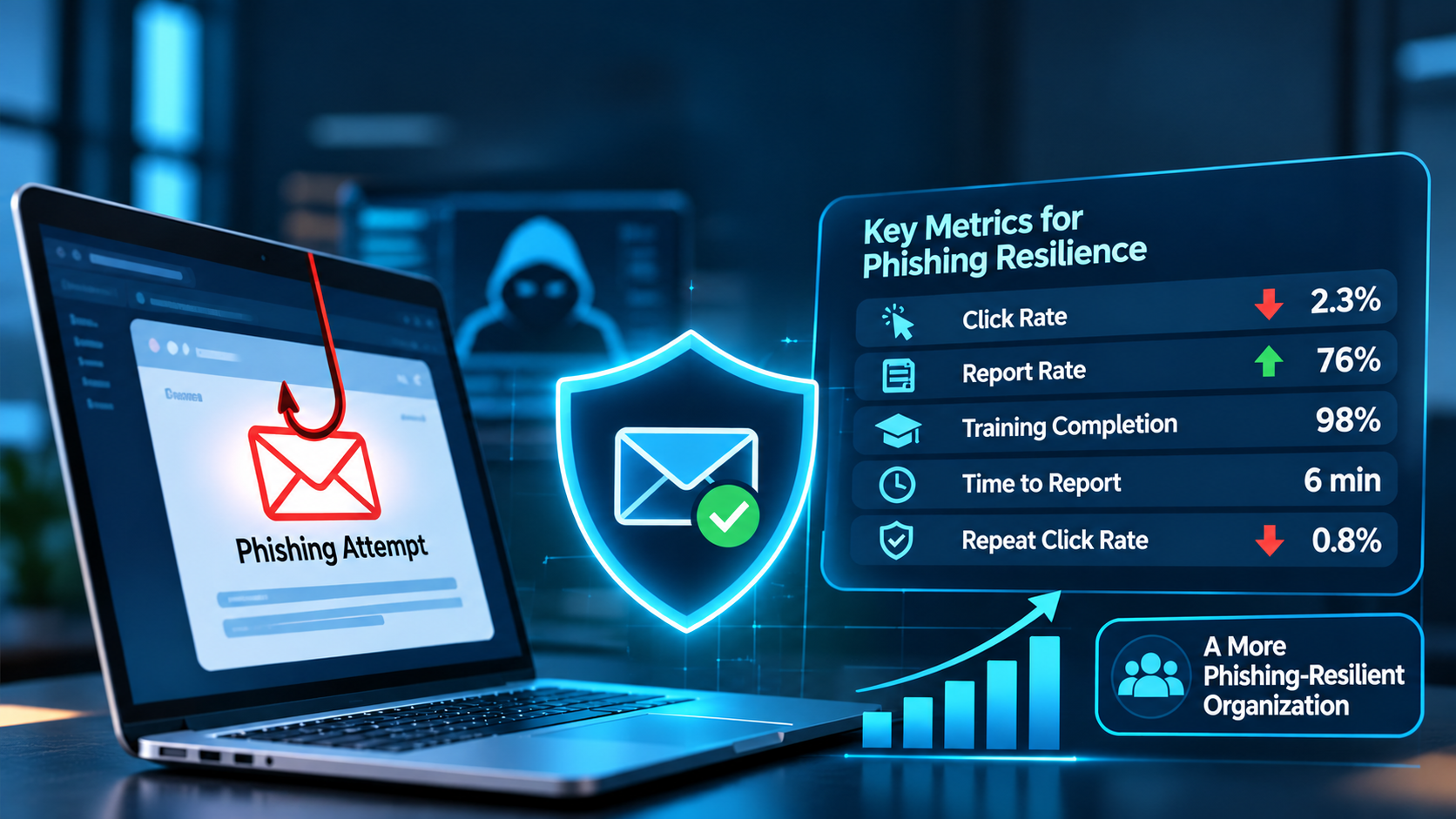
The click rate is one of the most popular metrics for measuring phishing resilience. However, many cybersecurity professionals warn against solely relying on it. While this measurement can count how many fall for simulated malicious emails or pop-up windows, it only quantifies engagement without revealing anything about intent and confidence. These other essential metrics can fill the gaps.
This figure complements the click rate, revealing how many of those who clicked fake phishing emails, ads and pop-ups also entered usernames, passwords and MFA codes on the landing page. It highlights another layer of compromise information security professionals should keep an eye on.
The difference between the click and credential entry rates demonstrates how susceptible the workforce is to persuasive messaging that encourages riskier, high-impact behaviors.
Phishing attacks come in different forms, each aiming to elicit different reactions from users. Counting just link clicks and credential shares is not enough to understand the full range of negative behaviors “victims” commit.
In simulated phishing tests, cybersecurity experts should also track how many people download or open attachments and reply to emails. Knowing how many respond to personal data requests, scan QR codes and call the numbers provided in the message can reveal which attacks people tend to fall victim to.
Some people can be more prone to phishing, perhaps due to life experience, personality traits and cognitive biases. A 2023 study found that younger age, extraversion and impulsivity predict higher phishing susceptibility. Cybercriminals also tend to target certain employees because of their roles within the company. High-level executives are a good example, as they have greater access to sensitive information and authority for financial sign-off.
Tracking which users repeatedly fall victim to phishing messages enables management to allocate training resources strategically. Paying extra attention to the small number of employees who account for most failures allows an organization to build phishing resilience more effectively.
This metric indicates proactive cybersecurity behavior. It illustrates a person’s ability to catch red flags in fraudulent messages, such as the word “kindly” and typographical errors.
Moreover, the reporting rate measures the workforce’s confidence to recognize phishing attempts correctly and willingness to share findings with key stakeholders.
The effectiveness of phishing reports erodes over time. Information security professionals must learn about cybersecurity incidents within the organization as soon as possible to act quickly and mitigate any damage.
MTTC measures the average time it takes an organization to neutralize a phishing threat after detection. This metric tracks several sequential containment steps, including scope identification, isolation and threat removal. The higher the MTTC, the greater the risk of data breaches and the impact of attacks on operations.
Recording slow response times should serve as a wake-up call to automate intervention by adopting advanced tools. In organizations that handle sensitive data, run critical infrastructure and deal with stringent regulatory requirements, SOC teams can manage threats efficiently. They can parse data from email gateways and exchange servers using a SOAR platform.
Mean Time to Clean Recovery (MTCR)
This nontraditional KPI is a step above MTTC. It measures the average time elapsed from incident detection or confirmation to restoration of completely verified, malware-free systems, either monthly, quarterly, annually or for a different defined period.
MTCR matters because it goes beyond speed and underscores cleanliness. It includes the time spent moving affected workloads into an isolated environment, scanning for IOCs and conducting security housekeeping. The exact time a monitoring tool or IT staff detects the threat marks the beginning, while the exact time the restored system is officially cleared for normal use defines the end.
Phishing-Resilient Organizations Focus on the Right Numbers
Defending against cyberattacks is a never-ending process. Concentrating on the most impactful metrics is key to making every effort count and remaining resilient to old and emerging threats.
Dan Parks is a senior writer at Modded.com with over six years of experience covering digital risk and emerging threats. His work focuses on making complex cybersecurity topics clear, practical and relevant.
