

Cybersecurity
From ransomware to remote hijacking: The cybersecurity threats to connected transport
Hyperconnected fleets, cargo manipulation, and charging infrastructure vulnerabilities make transportation a highly exposed critical sector.
- Two Scattered Spider hackers plead guilty to London transport cyberattack
- EU launches €1.1 billion transport funding call with focus on rail and military mobility
- 1
LockBit 5.0 targets U.S. Bank, one of the largest banks in the United States
- 2
Ukraine war drones push deeper into Europe as another breaches Romanian airspace
- 3
OpenAI fortifies advanced AI models to block autonomous cyberattacks
- 4
The label that proves nothing: AI text tagging creates more suspicion than certainty
- 5
Mohammed VI buys his generals’ loyalty with Morocco’s wealth
- Antonio Bustos
- Expert in Defense, Security and Terrorism.
- Published on
21 August 2026 at 07:05
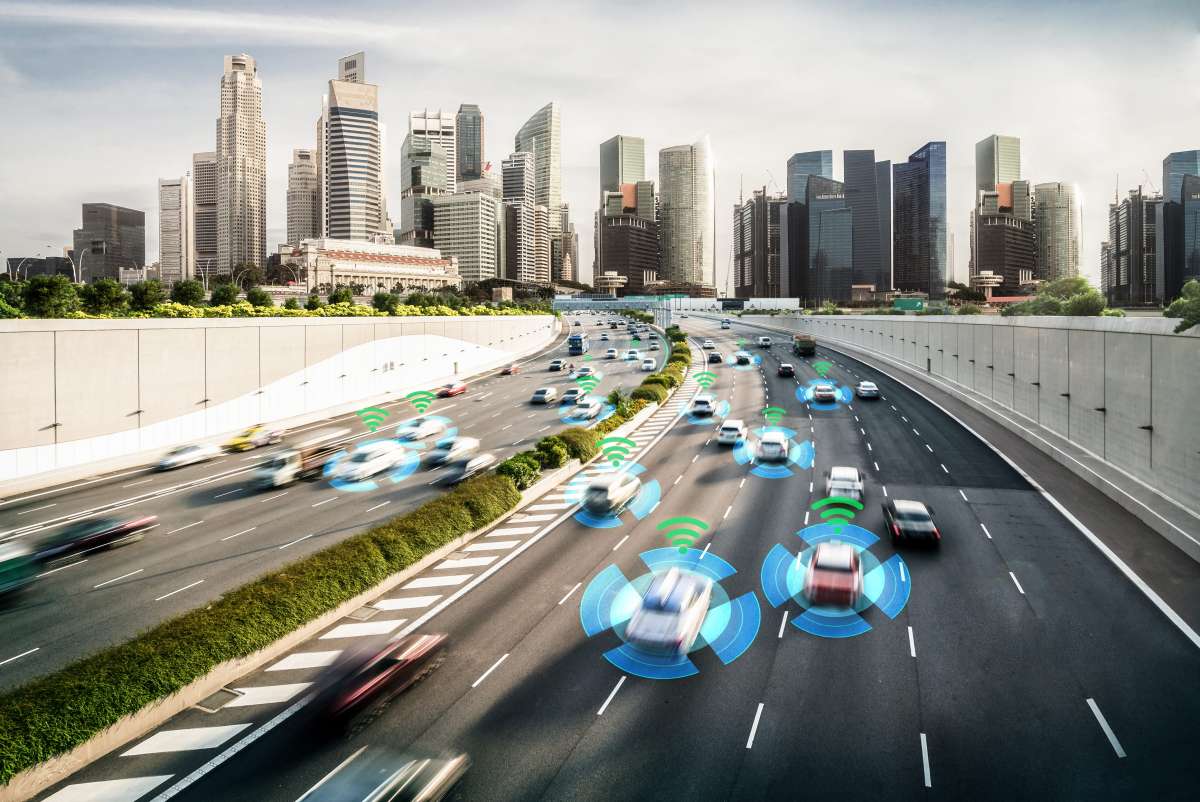
The increasing digitalization of transportation has significantly expanded the attack surface: ransomware against manufacturers, fleet sabotage, shipment manipulation, and attacks on electric charging infrastructures are among the main risks identified.
Modern vehicles already come with complex digital devices, with extensive remote communication capabilities and constant connection to cloud infrastructures. This evolution increases functionalities but also risks.
Cybersecurity, moreover, acquires special relevance for the sector. The report highlights the growing impact of attacks on critical infrastructures and essential operators, in a context of accelerated digitalization.
The cybersecurity company Kaspersky has identified the main threats that could affect the automotive industry and transportation infrastructures.
Cyberattacks on manufacturers and supply chain
Economically motivated cyberattacks will continue to be predominant, especially through ransomware. The objective is to encrypt files, systems, or entire networks to demand a ransom, usually in cryptocurrencies, in exchange for restoring access. Additionally, new leaks of confidential data, both from users and linked to vehicle movements, could occur.
Another relevant vector is the cyberattack on the supply chain. Cybercriminals can compromise contractors or technology providersto subsequently access critical systems of manufacturers, generate operational disruptions, and cause economic losses.
Targets: fleets, carsharing, and logistics
Taxi, carsharing, transportation, and logistics infrastructures are also targets for cybercriminals. The theft of personal data and access to user accounts remain goals for cybercriminals. Likewise, ransomware cyberattacks aimed at paralyzing critical systems could directly affect business operations.
A particularly concerning risk is the remote blocking of vehicles. Many companies install modules that allow remote control of cars. If cybercriminals gain access to these systems, they could immobilize entire fleets for extortion or sabotage purposes.
Refueling and charging infrastructures
In the logistics field, the digital manipulation of transport orders can end in the physical theft of goods. The comprehensive digitalization of the supply chain allows altering shipment data and redirecting loads to fraudulent addresses without the need for direct physical intervention.
Gas stations and electric vehicle charging stations are increasingly connected to cloud infrastructures. This connectivity provides new opportunities for cybercriminals. Cyberattacks aimed at these platforms can steal fuel or electricity, as well as customers’ personal data or information associated with refueling cards.
Vulnerabilities in vehicle architecture
The proliferation of vehicles with multiple electronic control units (ECUs) expands the possible entry points. Implementation errors and technical vulnerabilities can be exploited for car theft.
A recent case demonstrated that it was possible to access the CAN bus of vehicles from a manufacturer through a headlight, subsequently obtaining access to the start system. Experts foresee new vulnerabilities will be identified for similar purposes. Potentially exploitable interfaces include the CAN bus, the OBD port, Ethernet ports, NFC modules, Wi-Fi and Bluetooth chips, or the LTE modem.
Since the computer systems embedded in modern vehicles are directly or indirectly connected to the internet, attacks against them are, in many cases, a matter of time. To develop resilient systems, it is essential to incorporate security principles from the design and development phases, with the aim of mitigating risks and reducing the likelihood of vulnerability exploitation.
Advice
To reduce exposure to these threats in the transportation and automotive sector, Kaspersky experts recommend:
- Integrating cybersecurity from the design of vehicles and their electronic systems.
- Conducting regular security auditsto identify and correct vulnerabilities early, both in manufacturers and supply chain providers.
- Protecting corporate and industrial network endpointswith specialized solutions that include protection against ransomware and other advanced threats.
- Evaluating the implementation of secure gateways that isolate and control communications between vehicle systems and the outside.
Advice
- Integrating cybersecurity from the design of vehicles and their electronic systems.
- Conducting regular security auditsto identify and correct vulnerabilities early, both in manufacturers and supply chain providers.
- Protecting corporate and industrial network endpointswith specialized solutions that include protection against ransomware and other advanced threats.
- Evaluating the implementation of secure gateways that isolate and control communications between vehicle systems and the outside.
Become a premium member for free!
You may be interested in
- CybersecurityTwo Scattered Spider hackers plead guilty to London transport cyberattackAlberto Payo
- CybersecurityEU launches €1.1 billion transport funding call with focus on rail and military mobilityTeresa Alonso
- CybersecurityHow Meta’s new smart glasses threaten privacy and cybersecurityAntonio Bustos
- CybersecurityFrom Pegasus to JabaROOT: Inside the undeclared cyber warfare between Spain and MoroccoMikel Viteri
“;
$(“#container-comentar-comentarios”).html(respuesta);
} else if (data == 2) { //TIEMPO
var respuesta =
“No ha pasado aún un minuto desde tu último comentario. Espera un poco y podrás comentar de nuevo una noticia.
“;
$(“#container-comentar-comentarios”).html(respuesta);
} else if (data == 3) { //PALABROTA
var respuesta = “Por favor, utiliza un lenguaje correcto para comentar las noticias.”;
Swal.fire({
text: respuesta,
icon: “warning”
});
} else { //NO LOGUEADO
var respuesta =
“Lo sentimos, al parecer no tienes una sesión iniciada. Vuelve a Iniciar Sesión y podrás publicar este comentario.”;
Swal.fire({
text: respuesta,
icon: “warning”
});
}
},
error: function(request, error) {
//console.log(error);
}
});
}
function sumarPositivo(id_comentario, id_usuario) {
$.ajax({
type: “POST”,
xhrFields: {
withCredentials: true
},
url: `https://api.v.1.2.3.escudodigital.newscript.es/api/sumar_reaccion_comentario.php?t=` +
generarCadenaAlfanumerica(),
data: {
tipo: ‘positivo’,
id_comentario: id_comentario,
id_usuario: id_usuario
},
success: function(data) {
//console.log(data);
if (data == 1) {
var likes = parseInt($(“#like_” + id_comentario + ” span”).text());
$(“#like_” + id_comentario + ” span”).text(parseInt(likes + 1));
}
},
error: function(request, error) {
//console.log(error);
}
});
}
function sumarNegativo(id_comentario, id_usuario) {
$.ajax({
type: “POST”,
xhrFields: {
withCredentials: true
},
url: `https://api.v.1.2.3.escudodigital.newscript.es/api/sumar_reaccion_comentario.php?t=` +
generarCadenaAlfanumerica(),
data: {
tipo: ‘negativo’,
id_comentario: id_comentario,
id_usuario: id_usuario
},
success: function(data) {
//console.log(data);
if (data == 1) {
var dislikes = parseInt($(“#dislike_” + id_comentario + ” span”).text());
$(“#dislike_” + id_comentario + ” span”).text(parseInt(dislikes + 1));
}
},
error: function(request, error) {
//console.log(error);
}
});
}
function recargar_widgets_sesion() {
recargar_cabecero_sesion();
recargar_menu_sesion();
recargar_comentar_sesion();
recargar_comentar_comentar();
comprobar_user_sesion_215_articulo(0);
}
function iniciarSesion() {
var continuar = true;
var msg = “”;
var usuario_log = $(“#usuario_log”).val();
var password_log = $(“#password_log”).val();
var valor_periodico = $(‘#valor_periodico’).val();
// console.log(valor_periodico);
if (usuario_log.length == 0) {
continuar = false;
msg += “Es necesario rellenar el correo electrónico n”;
}
if (password_log.length == 0) {
continuar = false;
msg += “Es necesario rellenar la contraseña.n”;
}
if (continuar) {
$.ajax({
type: “POST”,
data: $(“#formulario_login”).serialize(),
xhrFields: {
withCredentials: true
},
url: `https://api.v.1.2.3.escudodigital.newscript.es/api/login-user.php?t=` +
generarCadenaAlfanumerica(),
success: function(data) {
// console.log(data);
if (data == 1) {
recargar_widgets_sesion();
$(“#modal-login .modal-action.modal-close.close-btn”).trigger(“click”);
$(“#usuario_log”).val(“”);
$(“#password_log”).val(“”);
if (window.location.href.includes(“area-usuario”)) {
// window.location.reload();
}
} else {
var respuesta =
“No hemos encontrado ningún usuario con el correo electrónico y la contraseña introducidos. Por favor, vuelve a intentarlo o recupera la contraseña pulsando el botón inferior.”;
Swal.fire({
text: respuesta,
icon: “warning”
});
}
}
});
} else {
Swal.fire({
text: msg,
icon: “warning”
});
}
}
function comprobar_user_sesion_215_articulo(es_premium) {
$.ajax({
type: “POST”,
xhrFields: {
withCredentials: true
},
url: `https://api.v.1.2.3.escudodigital.newscript.es/api/comprobar_sesion_user.php?t=` +
generarCadenaAlfanumerica(),
success: function(data) {
console.log(“COMPROBADO SESION USUARIO ” + data);
if (data == 1) {
$(“#art-cuerpo-visible”).removeClass(“d-none”);
$(“#art-cuerpo-visible”).removeClass(“art-cuerpo-no-visible”);
$(“#art-cuerpo-visible”).addClass(“art-cuerpo-visible”);
$(“#art-cuerpo-visible-premium”).removeClass(“art-cuerpo-visible”);
$(“#art-cuerpo-visible-premium”).addClass(“d-none”);
$(“#banner-premium”).addClass(“d-none”);
} else {
// $(“#art-cuerpo-visible”).removeClass(“art-cuerpo-visible”);
// $(“#art-cuerpo-visible”).addClass(“art-cuerpo-no-visible”);
if (es_premium) {
$(“#art-cuerpo-visible”).removeClass(“d-none”);
$(“#art-cuerpo-visible”).removeClass(“art-cuerpo-no-visible”);
$(“#art-cuerpo-visible”).addClass(“d-none”);
$(“#art-cuerpo-visible-premium”).addClass(“art-cuerpo-visible”);
$(“#art-cuerpo-visible-premium”).removeClass(“d-none”);
$(“#banner-premium”).removeClass(“d-none”);
} else {
$(“#art-cuerpo-visible-premium”).removeClass(“art-cuerpo-visible”);
$(“#art-cuerpo-visible-premium”).addClass(“d-none”);
$(“#banner-premium”).addClass(“d-none”);
$(“#art-cuerpo-visible”).removeClass(“d-none”);
$(“#art-cuerpo-visible”).removeClass(“art-cuerpo-no-visible”);
$(“#art-cuerpo-visible”).addClass(“art-cuerpo-visible”);
}
}
}
});
}
function comprobar_user_sesion_215() {
$.ajax({
type: “POST”,
xhrFields: {
withCredentials: true
},
url: `https://api.v.1.2.3.escudodigital.newscript.es/api/comprobar_sesion_user.php?t=` +
generarCadenaAlfanumerica(),
success: function(data) {
console.log(“COMPROBADO SESION USUARIO ” + data);
if (data == 1) {
$(‘.col-comparador-registro-login’).addClass(‘w-auto’)
} else {
$(‘.col-comparador-registro-login’).removeClass(‘w-auto’)
}
}
});
}
function cerrarSesion() {
$.ajax({
type: “POST”,
xhrFields: {
withCredentials: true
},
url: `https://api.v.1.2.3.escudodigital.newscript.es/api/delete-session-user.php?t=` +
generarCadenaAlfanumerica(),
success: function(data) {
//console.log(data);
recargar_widgets_sesion();
$(“#offCanvasClose”).trigger(“click”);
if (window.location.href.includes(“area-usuario”)) {
window.location.href = ‘/’;
}
}
});
}
function registrarCuenta() {
var continuar = true;
var msg = “”;
var email_registro = $(“#email_reg”).val();
var pass_registro = $(“#password_reg”).val();
var pass_registro2 = $(“#password_reg_2”).val();
var nombre_registro = $(“#nombre_reg”).val();
var apellidos_registro = $(“#apellidos_reg”).val();
var ref_id_periodico = $(“#ref_id_periodico”).val();
if (pass_registro2 != pass_registro) {
continuar = false;
msg += “Deben coincidir ambas contraseñas. n”;
}
if (email_registro.length == 0) {
continuar = false;
msg += “Es necesario rellenar el correo electrónico. n”;
}
// if (pass_registro.length < 8) {
// continuar = false;
// msg += “Cal omplir la contrasenya amb un mínim de 8 caràcters. n”;
// }
if (nombre_registro.length == 0) {
continuar = false;
msg += “Hay que llenar el nombre. n”;
}
if (!$(“#aceptopoliticas”).is(“:checked”)) {
continuar = false;
if (ref_id_periodico == 8) {
msg += “You must accept the privacy policy. n”;
} else {
msg += “Debes aceptar la política de privacidad. n”;
}
}
if (continuar) {
$.ajax({
type: “POST”,
xhrFields: {
withCredentials: true
},
data: $(“#formulario_registro”).serialize(),
url: `https://api.v.1.2.3.escudodigital.newscript.es/api/register-user.php?t=` +
generarCadenaAlfanumerica(),
success: function(data) {
if (data == 0) {
var respuesta = “Este correo electrónico ya está registrado.”;
Swal.fire({
text: respuesta,
icon: “warning”
});
} else {
var respuesta = “¡Enhorabuena! Te has registrado con éxito.”;
Swal.fire({
text: respuesta,
icon: “warning”
});
recargar_widgets_sesion();
$(“#email_reg”).val(“”);
$(“#password_reg”).val(“”);
$(“#nombre_reg”).val(“”);
}
}
});
} else {
Swal.fire({
text: msg,
icon: “warning”
});
}
}
function recuperarPass() {
$.ajax({
type: “POST”,
xhrFields: {
withCredentials: true
},
data: $(‘#formulario_recuperarpass’).serialize(),
url: `https://api.v.1.2.3.escudodigital.newscript.es/api/reset-pass-user.php?t=` +
generarCadenaAlfanumerica(),
success: function(data) {
//console.log(data);
var respuesta =
“Revisa tu e-mail y sigue las instrucciones para recuperar tu contraseña.”;
Swal.fire({
text: respuesta,
icon: “info”
});
$(“#modal-pass .modal-action.modal-close”).trigger(“click”);
$(“email_recuperar”).val(“”);
}
});
}
function resetearPass() {
if ($(“#nuevo-pass”).val() == $(“#nuevo-pass-repeat”).val()) {
if ($(“#nuevo-pass”).val().length >= 8) {
$.ajax({
type: “POST”,
xhrFields: {
withCredentials: true
},
data: $(‘#resetear-clave’).serialize(),
url: `https://api.v.1.2.3.escudodigital.newscript.es/api/resetear-pass.php?t=` +
generarCadenaAlfanumerica(),
success: function(data) {
//console.log(data);
$(“#email_recuperar”).val(“”);
var respuesta = “La contraseña se ha actualizado. Ya puedes volver a Iniciar Sesión.”;
Swal.fire({
text: respuesta,
icon: “success”
}).then((result) => {
window.location.href = ‘http://www.escudodigital.com/’;
});
}
});
} else {
var respuesta = “La contraseña debe tener un mínimo de 8 caracteres.”;
Swal.fire({
text: respuesta,
icon: “warning”
});
}
} else {
var respuesta = “Ambas contraseñas deben coincidir.”;
Swal.fire({
text: respuesta,
icon: “warning”
});
}
}
$(document).ready(function() {
recargar_widgets_sesion(); //DESCOMENTAR ESTO
});
‘)
.text(msg)
.insertAfter($el);
}
function esEmailValido(email) {
return /^[^s@]+@[^s@]+.[^s@]{2,}$/.test(String(email).trim());
}
function validar() {
limpiarErrores();
let ok = true;
const $nombre = $(“#nombre”);
const $email = $(“#email”);
const $motivo = $(“#motivo”);
const $check = $(“#checkbox”);
const nombre = $nombre.val().trim();
const email = $email.val().trim();
const motivo = $motivo.val().trim();
if (nombre.length < 2) {
marcarError($nombre, “Enter your full name.”);
ok = false;
}
if (!esEmailValido(email)) {
marcarError($email, “Enter a valid email.”);
ok = false;
}
if (motivo.length < 5) {
marcarError($motivo, “Briefly explain how we can help you.”);
ok = false;
}
if (!$check.is(“:checked”)) {
marcarError($check, “You must accept the legal terms.”);
ok = false;
}
return ok;
}
function setLoading(isLoading) {
$btn.prop(“disabled”, isLoading);
$btn.text(isLoading ? “Sending…” : “Sent”);
}
function submitFormWithToken(token) {
setLoading(true);
const payload = {
nombre: $(“#nombre”).val().trim(),
email: $(“#email”).val().trim(),
motivo: $(“#motivo”).val().trim(),
legal: $(“#checkbox”).is(“:checked”) ? 1 : 0,
periodico_id_periodico: 8,
periodico: ‘www.escudodigital.com’,
url: window.location.href,
periodico_nombre: ‘DigitalShield’,
token: token
};
$.ajax({
url: URL_ENDPOINT,
method: “POST”,
data: payload,
dataType: “json” // Expects JSON response from server
})
.done(function(res) {
if (res && (res === 1 || res === “1” || res.ok)) {
$(“#msgFormContacto”).html(‘Message sent successfully.
‘);
$form[0].reset();
} else {
$(“#msgFormContacto”).html(‘Message not sent. Try again.
‘);
}
})
.fail(function(xhr) {
$(“#msgFormContacto”).html(‘Connection error. Try again.
‘);
})
.always(function() {
setLoading(false);
});
}
$btn.on(“click”, function(e) {
e.preventDefault();
e.stopPropagation(); // Stop default button behavior if any
if (!validar()) return;
// Execute reCAPTCHA
if (window.grecaptcha) {
grecaptcha.ready(function() {
grecaptcha.execute(RECAPTCHA_SITE_KEY, {
action: ‘submit’
}).then(function(token) {
submitFormWithToken(token);
});
});
} else {
// Fallback or error if grecaptcha not loaded
alert(“reCAPTCHA not loaded. Please refresh.”);
}
});
$(“#nombre,#email,#motivo,#checkbox”).on(“input change”, function() {
$(this).removeClass(“is-invalid”);
$(this).next(“.error-text”).remove();
});
});
