

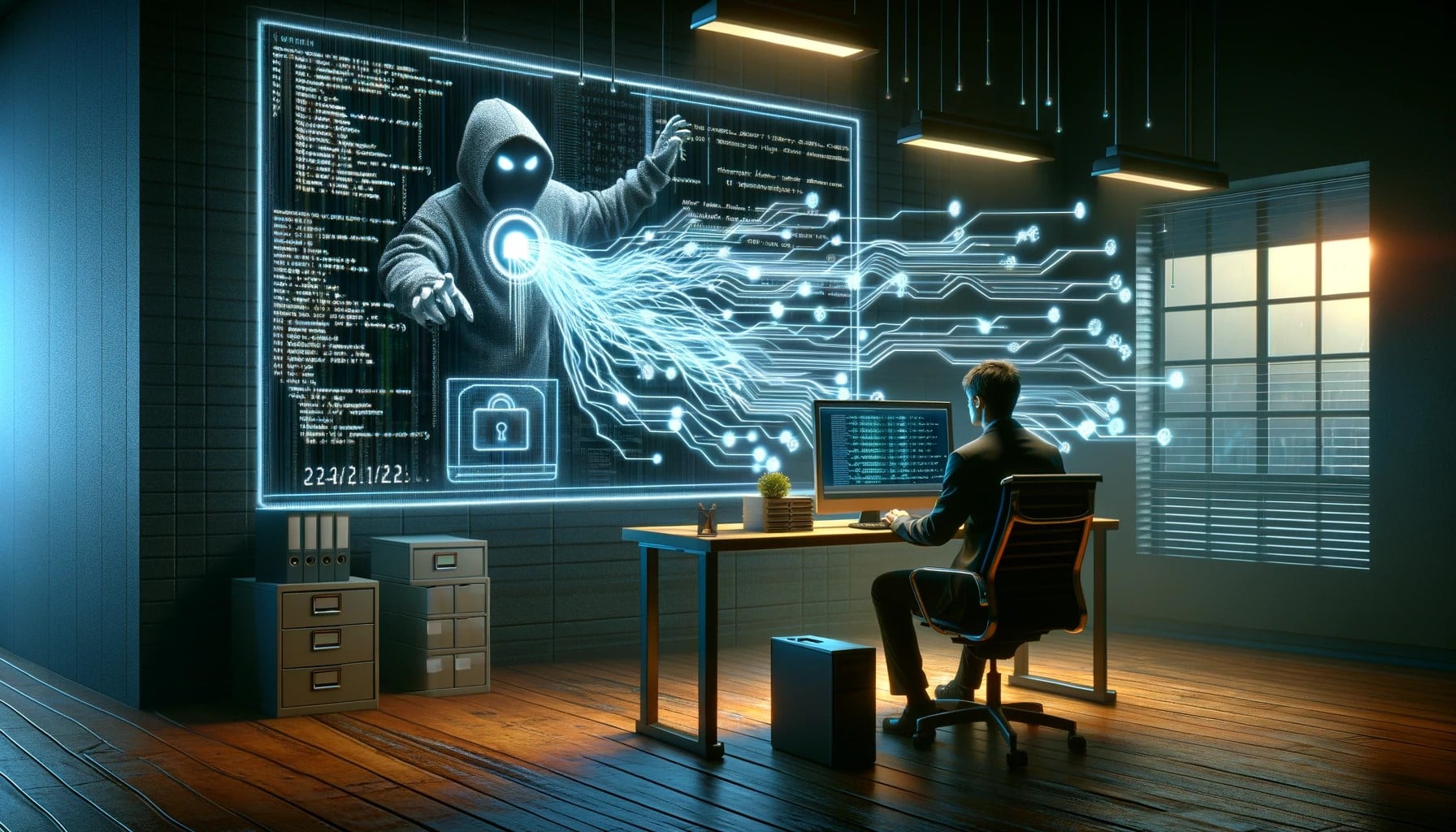
The recent cyberattacks targeting supermarket refrigeration systems across Europe have raised serious questions about the security of the UK’s critical infrastructure. What initially appeared to be an unusual attack on refrigerators and freezers has now evolved into a warning that hackers could exploit vulnerable operational technology (OT) systems to disrupt essential services.
The attacks, which remotely manipulated temperature controls in supermarket refrigeration units, resulted in food spoilage and operational disruption across several European countries. The UK has also reported a limited number of impacts involving organizations in its food supply chain.
The National Cyber Security Centre (NCSC) has been assisting affected organizations and warning businesses about vulnerabilities in internet-connected equipment.
Now the bigger question is: what could hackers target next in the United Kingdom?
Five Potential Targets on the Cyber Criminals’ Radar
1. Electricity grids and power distribution networks- Energy infrastructure could become one of the most attractive targets. Hackers could exploit vulnerabilities in Supervisory Control and Data Acquisition (SCADA) systems, industrial controllers and remote monitoring platforms to interfere with electricity distribution. A successful attack could trigger power outages, disrupt manufacturing and affect millions of households.
2. Water treatment and distribution facilities- Water utilities are another potential target because they increasingly depend on connected operational technology. Cybercriminals gaining access to programmable logic controllers (PLCs) could attempt to interfere with water treatment processes, pumping stations and distribution networks. Such attacks could threaten service availability and public confidence.
3. Airports and railway networks- The UK’s transportation infrastructure could also face growing cyber risks. Airport baggage handling, air traffic support systems, railway signaling and station management platforms depend on interconnected digital technologies. Disrupting these systems could cause widespread delays, operational shutdowns and economic losses.
4. Hospitals and healthcare infrastructure- Hospitals remain attractive targets for ransomware operators and state-sponsored threat actors. Connected medical equipment, hospital refrigeration, laboratory systems and patient management platforms could become potential entry points. Disrupting these services could affect patient care and create serious operational challenges.
5. Food processing and agricultural supply chains-The next wave of attacks could extend beyond supermarket refrigeration to food processing plants, cold-storage warehouses, distribution centres and agricultural automation systems. Disrupting temperature controls, inventory management or logistics platforms could affect food availability and create supply-chain bottlenecks.
AI Could Make the Next Wave More Dangerous
The UK’s cybersecurity concerns are further amplified by artificial intelligence. In its Annual Review 2026, published on November 3, the NCSC warned that AI would help hostile actors discover vulnerabilities, identify targets and conduct cyber operations at greater speed and scale.
The agency considers it highly likely that AI-powered malware will be used in a ransomware attack against UK critical national infrastructure by 2028.
However, the recent refrigeration attacks demonstrate that sophisticated AI is not always necessary. Poorly secured legacy systems, exposed remote-access interfaces, default passwords and unpatched software can provide attackers with sufficient opportunities.
Strengthening Britain’s Cyber Defenses
The UK must now look beyond conventional IT security and prioritize Operational Technology security. Organizations operating critical infrastructure should identify internet-facing devices, eliminate default credentials, install vendor security patches, segment IT and OT networks, restrict remote access and continuously monitor industrial control systems.
The government, meanwhile, needs stronger collaboration between the NCSC, infrastructure operators, technology manufacturers and private cybersecurity companies.
The bottom line: Supermarket refrigerators and freezers may be an unusual starting point, but the bigger concern is what they reveal about Britain’s vulnerable connected infrastructure. Electricity, water, transportation and healthcare could face similar risks if organizations continue to overlook basic cybersecurity weaknesses.
The next major cyberattack may not begin with a computer network or a stolen database. It could begin with an ordinary connected device controlling an essential service.
