

November 5, 2026E-Commerce, Fraud & Security, Mobile Commerce, Transaction Processing
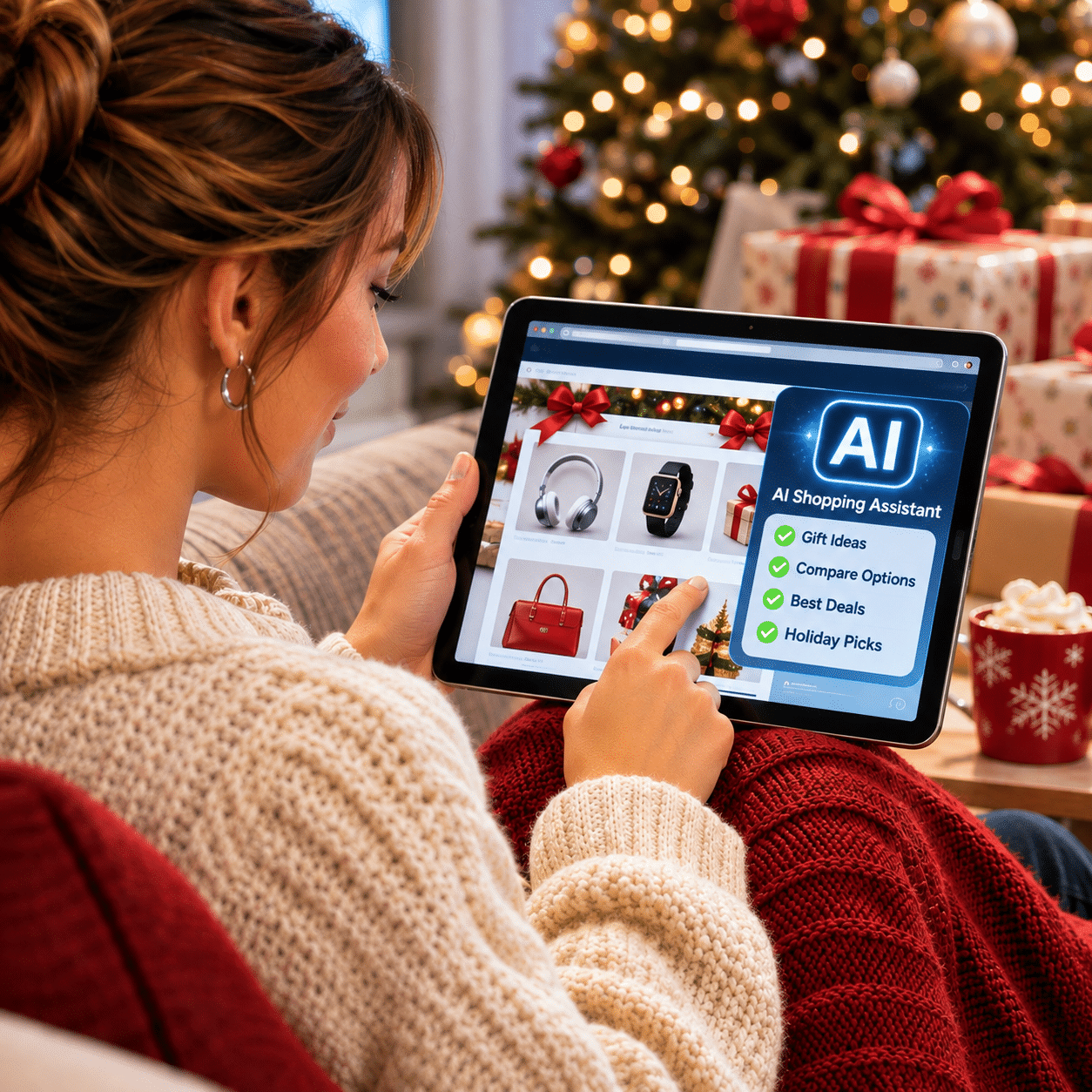
Though still in the infant stages, agentic commerce is being readied for an expected maturation as a much-used shopping channel. Visa Inc. is taking steps to help with the release of its Agentic Commerce Benchmark.
The tool, now available for anyone to use online, puts AI models through what Visa calls realistic buying challenges, which include assessing if an AI agent can shop on a Web site.

Visa says the first round of tests evaluated 22 AI models from 12 providers, such as Gemini, Claude, Muse, and Grok. They each took on 15 shopping scenarios.
Visa says the best-performing ones received a benchmark pass rate of 82.2% of attempts and the worst 28.9%. Overall, the pass rate was 57.2%.
The results also found that 54% of failed runs still ended up with AI deciding to make the purchase. “Either the AI recommended a purchase that did not meet the customer’s requirements, or it failed to uncover all the customer’s requirements,” Visa says.
Trust in AI shopping is vital to adoption. “AI [agents] have the potential to power the next era of commerce, but trust is key to making it work,” Rubail Birwadker, Visa’s global head of growth, says in a statement.
In related shopping news, Visa predicts that U.S. holiday shopping sales will be 4.5% greater than the sales in the 2025 holiday shopping season. It did not provide a total amount of projected sales.
On average, consumers are forecasted to spend more this year at $777 on holiday gifts, up 5.6% from $736 in 2025. Visa says this is the strongest holiday sales growth since 2021.
Visa also says physical gifts may win out despite travel being atop many wish lists. Just 15% are making experience spending a priority compared with 27% prioritizing physical gifts. The data comes from multiple Visa Business and Economic Insights reports.
Visa analysis found that only households earning more than $200,000 annually expected to increase both holiday airfare bookings and spending in September. “In contrast, lower-income groups pulled back sharply on airfare booking and spending,” Visa says. “That could work in retailers’ favor. Because VBEI’s holiday sales measure focuses on retail and excludes travel and dining, dollars that might otherwise have gone toward holiday trips could instead flow toward physical gifts and other merchandise.”
