

August 18 (Hypepotamus) -Recruit a cohort of early-stage founders. Take a percentage of their company. Put them through a specific curriculum. Rinse and repeat
This equity-based formula underpins most of the startup accelerator world, made popular by programs like Y Combinator and Techstars.
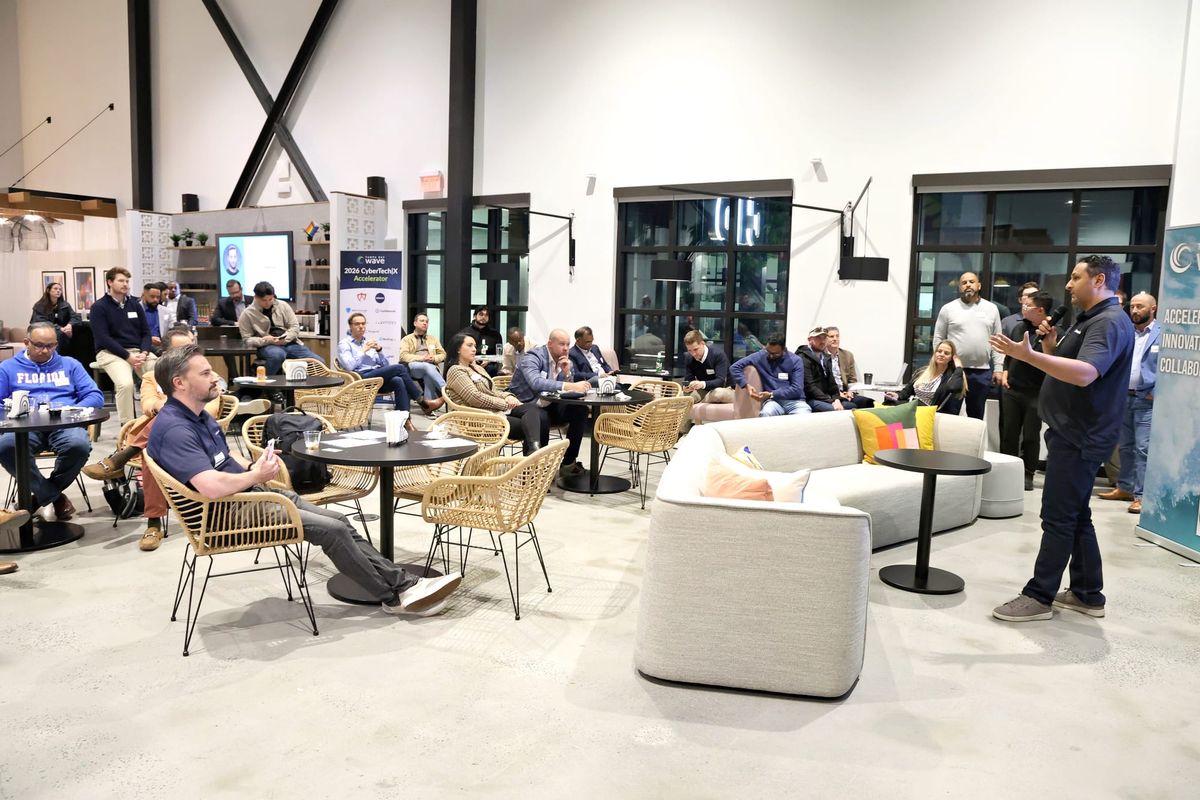
Tampa Bay Wave has intentionally taken a different approach. And over the last thirteen years, its zero-equity accelerator programs have brought national and global companies to Tampa Bay, preparing them to grow and scale their businesses…without having to give up room on their cap tables.

Tech Square Venturesis an Atlanta-based firm investing in enterprise (B2B) and marketplace technology companies.
Tampa Bay Wave By The Numbers
After starting as a tech meetup group, Tampa Bay Wave became a 501(c)(3) nonprofit in 2013. Today, it runs six vertical-specific accelerator programs, serving cybersecurity, DefenseTech, FinTech, HealthTech, purpose-driven, as well as ocean-focused tech companies.
Its newest program, BlueTech|X, is backed by a NOAA grant. Wave launched the accelerator in 2025, and its first six startups had already collectively raised nearly $10 million and generated more than $4 million in revenue, according to its 2025 report.
Tampa Bay Wave reports that its portfolio companies have collectively raised more than $1.8 billion in capital ($500 million in 2025 alone), driving an estimated $450 million in annual economic impact.
Its portfolio boasts over 670 startups (with only a 9% acceptance rate), generating over 7,300 new jobs, and has already created 32 exits. Ultimately, graduates of the Wave programs have gone on and raised over $1.8 billion in outside funding.
Companies that have raised venture capital after going through one of the Wave’s accelerator programs include San Francisco-based Mappa, Austin-based Endless Health, and Tampa-based Peerfit (acquired by FitOn).
Others Hypepotamus readers will be familiar with include Atlanta-based VIVA Finance, Catch It, andEskaud.
Getting National Recognition
Today, the Tampa Bay Wave has another number to talk about: 3.
The program was just ranked number three in TIME’s inaugural list of the nation’s top startup incubators and accelerators, behind just Techstars and MassChallenge (another non-equity program).
“Being named the #3 accelerator in the United States by TIME is an incredible honor, especially knowing that we have built Tampa Bay Wave into this world-class accelerator in my hometown,” said Linda Olson, CEO and founder of Tampa Bay Wave. “This national ranking validates that the founder-focused non-equity accelerator model can be incredibly impactful and also speaks to the momentum-building across Tampa Bay’s innovation ecosystem. This recognition belongs to the founders, mentors, investors, sponsors and community partners who made it possible.”
TIME created the list with Statista, an online platform that collects and organizes data, statistics, and market reports.
Your news source for tech in the Southeast. Original, local reporting on startups, investors, and the corporate innovators shaping the region.
HypepotamusMaija Ehlinger
Who Needs An Accelerator Today?
Startup accelerators used to have an information advantage.
But between YouTube and LLMs, founders can pretty easily get pricing help, build a financial model, draft an investor deck, research competitors, or get a strong recap SAFE note in minutes. The reality is that the basic startup curriculum has been commoditized.
So the case for an accelerator today is about access, mentorship, accountability and trusted introductions. Those are harder to manufacture with a prompt or a Google search.
Tampa Bay Wave, for example, gives founders access to a network of more than 600 investors and 250 mentors, along with strategic introductions to prospective customers, corporate partners, and government partners. Its programs also culminate in pitch events designed to put companies in front of the broader investment and business community.
OneSixOne Ventures founders Justis Mendez and Pablo Casilimas turned Gainesville startup meetups into a $5M fund investing in AI, DeepTech, and dual-use startups.
HypepotamusMaija Ehlinger
In 2026, perhaps the question founders should be asking isn’t ‘should I go through an accelerator?’ but actually ‘what can this accelerator give me that I can’t do on my own?’
For the team behind the Tampa Bay Wave, the zero-equity model changes that calculation considerably. Founders still give up valuable time. But to get the resources and access they need, they don’t give up ownership in their companies.
See more Hypepotamus stories in your search results
