

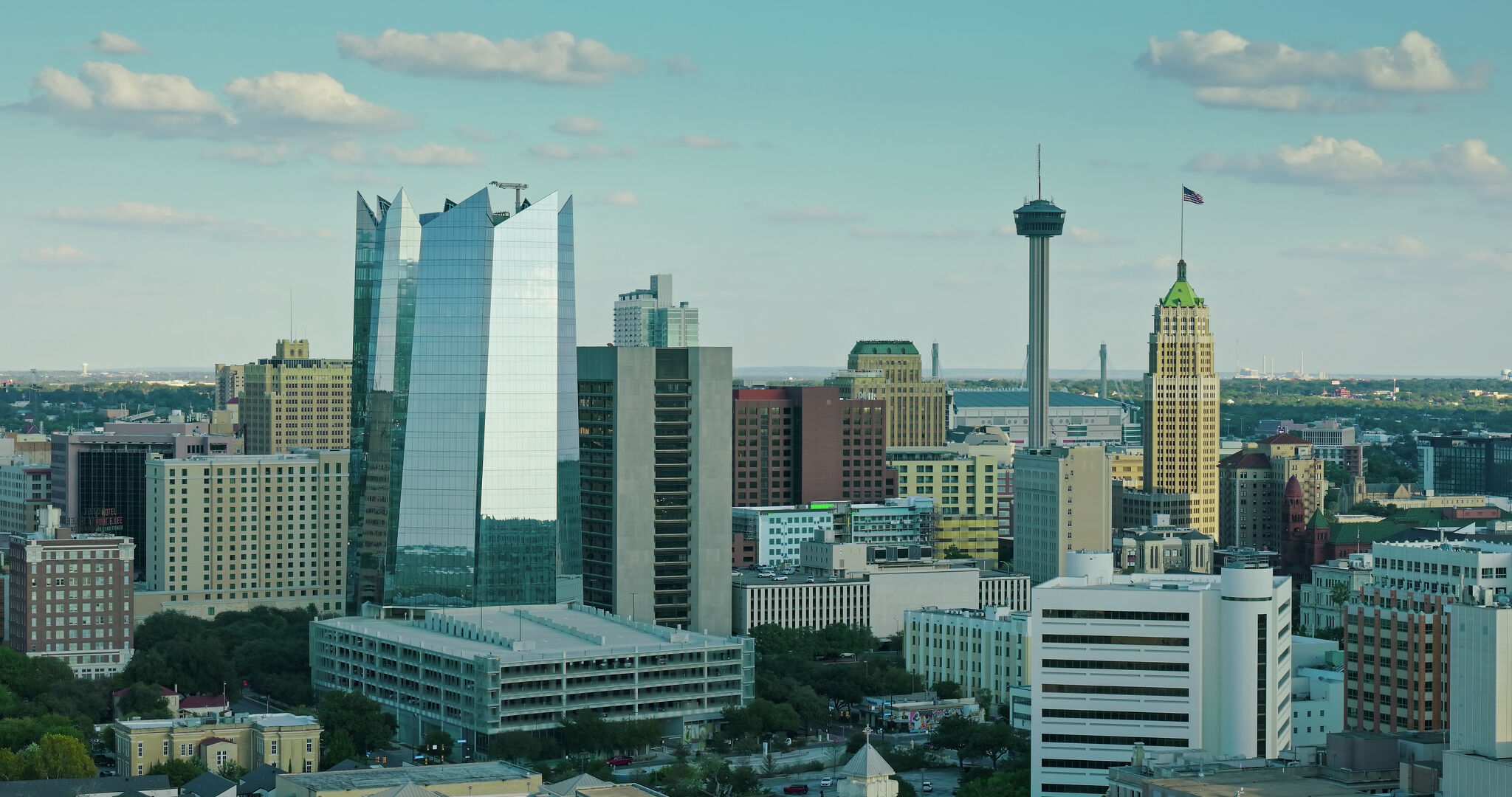
For more than a decade, the promise of a tech industryboom has loomed over San Antonio. Yet the common perception remains underwhelming today, as growing startups are enticed by investors or support in other citiesor states. But will San Antonio ever match the energy of Austin or Dallas – or even Silicon Valley – when it comes to the 21st-century industry boom?
If you ask Geekdom CEO Charles Woodin, the Alamo City is forging its own path to tech stardom, fostering growing companies that are solving local needs. But as the tech industry evolves, so must the way Geekdom, the city and other support systems engage with the companies that could spark a boom here.
Article continues below this ad
“There are going to be companies that are less than 10 employees that are doing $1 billion over a year,” Woodin told MySA. “That is a large possibility today, and it’s already happening. And we want to support that type of growth here.”

Geekdomand other companies have been instrumental in helping new companies get off the ground and become operational within their first couple of years, educating them on startup fundamentals and best practices. But there’s little support for tech companies in the years that follow, as their customers and markets are solidified. Funding sources can dwindle as many of these companies are yet to reach the employee sizes that would trigger financial support from public dollars.
But this could change. A spokesperson with the San Antonio Economic Development Department confirmed that a refresh of the department’s strategic framework and incentive policies is underway. However, they declined to explain what these changes could entail, pending a San Antonio City Council review in the coming weeks.
This review is happening in lockstep with a major opportunity to boost industry development. San Antonio was selected as the first Texas city to participate in the Massachusetts Institute of Technology’s Regional Entrepreneurship Acceleration Program.
Basically, it’s a two-year program aimed at building self-sustaining economies, with five local leaders brought together to work alongside the MIT framework to pinpoint hurdles that are stalling industry growth. Geekdom has been tapped as the coordinating member, connecting universities, government agencies and corporate entities.
“San Antonio’s selection for MIT REAP is a signal to every civic leader, business, and educational institution in this region. The door is open. Building a lasting innovation economy takes more than one entity. It takes government, corporations, universities, and capital all pulling in the same direction. If your organization wants a seat at that table, we want to hear from you,” Woodin said in a press release.
This could be the very solution to San Antonio’s tech ecosystem, which has stalled as it moved out of its infancy and into an adolescent phase. The real issue boils down to two needs: capital and customers. The first takes priority, and it’s often what leaves startups formed in San Antonio susceptible to the gravitational pull of investors and incentives in other major metros.
“The companies that are [at this stage] need two things,” Franklin Morris, founder and CEO of KeepTabz, told MySA. “We really need one thing, which is money, but that comes in two forms. It comes in the form of investment capital, or it comes in the form of customer revenue.”
The latter often takes several years to develop as companies find their niches in the market. But the former is a blessing and a curse, says Morris. Huge investment dollars leave companies room to experiment and ease the time crunch to scale, allowing them to pivot the product or build the best teams. But big investments also mean big pressure from wealthy contributors, venture capitalists or corporations.
Ultimately, a successful tech boom in San Antonio may not look like Silicon Valley or Austin. While the dream of a downtown tower bearing a corporate logo – common in Austin or Dallas – hasn’t died, Woodin sees San Antonio’s industry focused on founder-market fit. That’s where innovators focus on solving problems in already-established industries.
“I do believe you can build a sustainable, successful software company in San Antonio,” Morris said.
So far, that’s meant a lot of military tech development or cybersecurity. But there’s a clear future in marketing, health care and medical devices. San Antonio has proven it can be the home base for Fortune 100 companies. USAA and Valero were born in the Alamo City, and Rackspace is a shining example of a successful tech company emerging from the city of Spanish missions.
“I think what I’ve seen work in the past is a focus towards what makes you unique… there could be contingents of individuals here within our city who look towards San Francisco, Austin… and be like, ‘I wish we were like them,’” Woodin said. “But the realization is that there are very unique aspects that made them, and there are very unique aspects which make us, us. And we need to embrace those today more than ever.”
