

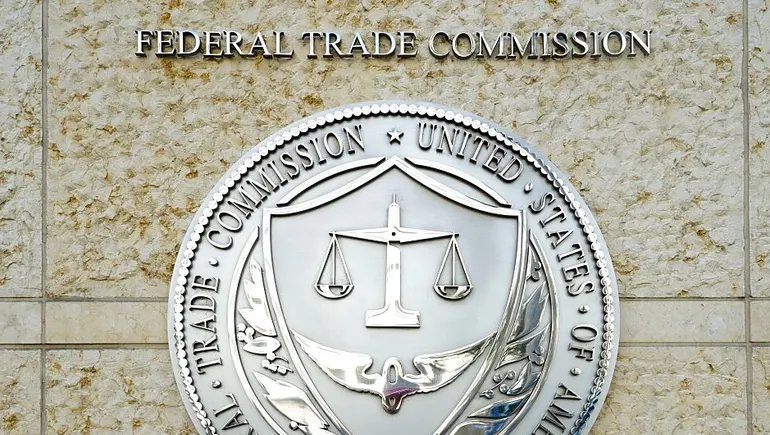
A proposed FTC consent order mandates nondiscriminatory access to the platform and puts firewalls in place, but some Publicis competitors are already pulling back.

This audio is auto-generated. Please let us know if you have feedback.
Publicis Groupe’s $2.2 billion acquisition of LiveRamp is moving forward after the ad-holding group reached an agreement with the Federal Trade Commission on terms that seek to preserve LiveRamp’s neutrality and accessibility to the broader digital advertising industry, according to a press release. Publicis clearing the regulatory hurdle puts the ad-tech deal on track to close by the end of this year.
Under the FTC’s consent order, Publicis and LiveRamp for five years must provide nondiscriminatory access and support to LiveRamp’s products and services and not deny, degrade or impair customers’ access to those offerings. Firewalls must be put in place to ensure that Publicis cannot access or use LiveRamp customer data and confidential business information. In addition, an independent auditor will review compliance on these measures every six months for the first two years after the LiveRamp transaction closes, and then conduct an audit once a year for the following three years.
Publicis in the release said the order was based on commitments it proactively proposed and underscored that LiveRamp will maintain an “open ecosystem connected to third-party agencies and platforms.” The FTC’s order also requires Publicis to not retaliate against LiveRamp customers who raise compliance concerns with the consumer protection agency. Customers can request an audit of Publicis’ compliance on data protection, privacy and security obligations pertaining to the requesting customer. The proposed consent agreement is open to public comment for 30 days from Oct. 19.
“By requiring LiveRamp to continue operating as it does today as a neutral platform, this order will ensure that Publicis does not gain an unfair advantage over its competitors in the digital advertising marketplace,” said David Shaw, principal deputy director of the FTC’s Bureau of Competition, in a statement.
The FTC and Publicis agreeing on specific guardrails may not matter much to some pockets of the industry, especially Publicis’ direct competitors. WPP has indicated <a href="https://www.campaignlive.co.uk/article/wpp-to-pull-out-of-liveramp-following-publicis-takeover-move/43bp0bzxbx24vry73t6zfza7xq” rel=”nofollow noopener” target=”_blank”>it is winding down its agencies’ use of LiveRamp due to the deal. Omnicom, which was already planning to drop LiveRamp, moved up the timeline for that happening because of the acquisition.
Marketers more broadly have expressed some reservations about the acquisition since it was announced in May, as LiveRamp has long been valued as a sort of Switzerland for a fragmented, opaque digital advertising landscape. The platform is used by scores of publishers, technology providers, agencies and brands, which pour their data sets into LiveRamp’s systems. LiveRamp then acts as a connective tissue between disparate data sets to help marketers better target, activate and measure campaigns while preserving privacy through clean room technology.
Publicis sees the deal as a way to enhance the artificial intelligence agents it develops for clients and to bolster growth. The group expects to raise its 2027 and 2028 outlook to 7% to 8% net revenue growth, up from 6% to 7% net revenue growth, with the addition of LiveRamp, which will be integrated into the technology segment of the network that also includes the Sapient consultancy.
Filed Under:Agencies,Data/Analytics,Ad Tech
