

New Karl Mayer machine variants increase productivity and widen premium warp knit end uses.
3rd July 2026
Knitting Industry | Obertshausen, Germany
Knitted Outerwear, Household
Karl Mayer has expanded the capabilities of its HKS 2-SE tricot machine range with two new variants designed to increase productivity and extend applications across fashion and home textiles.
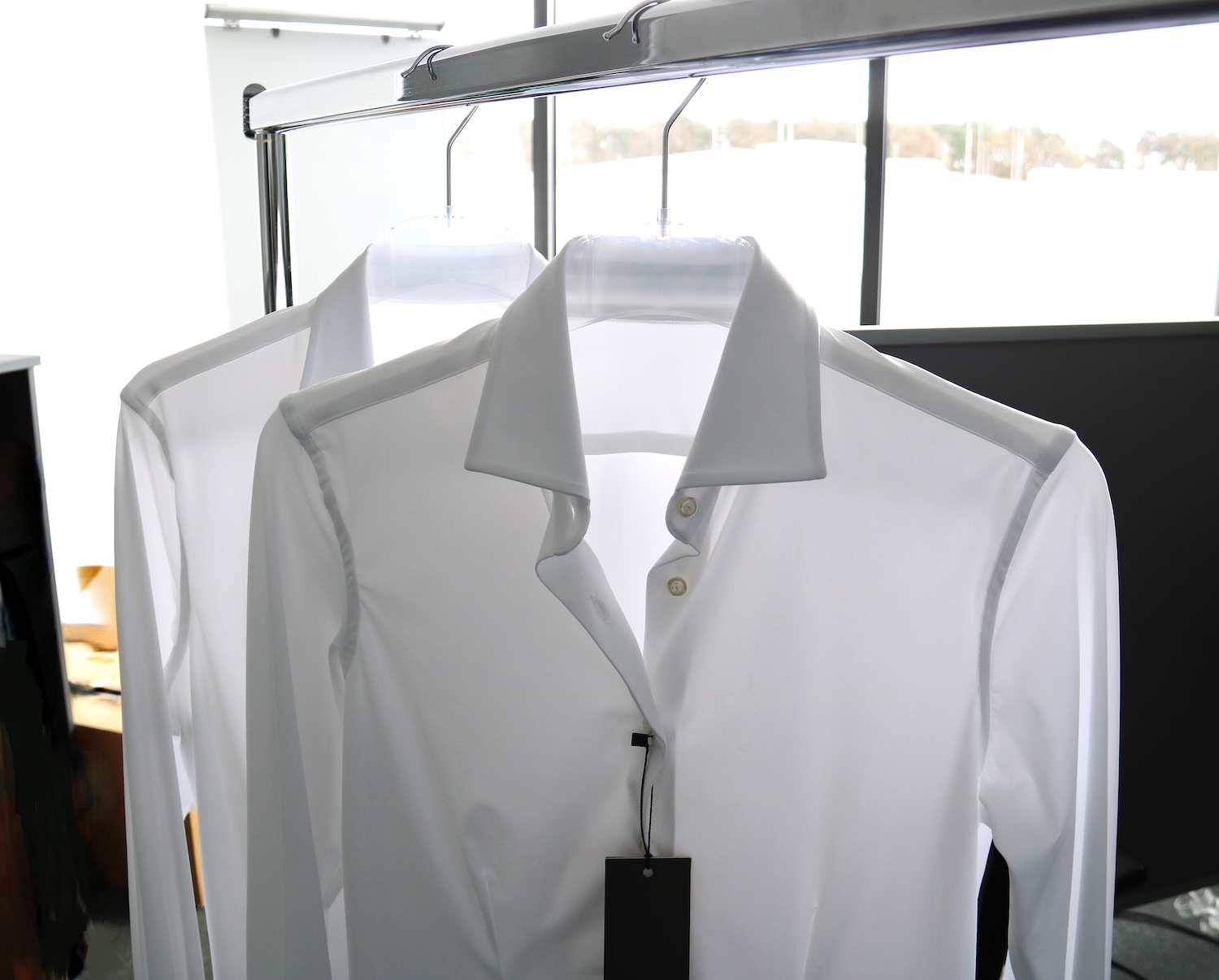
Demand for warp knitted fabrics with a woven appearance continues to grow, particularly for stretch warp knits that combine freedom of movement, breathability and excellent crease resistance. These characteristics have made the fabrics increasingly popular for smart casual and business casual apparel.
The HKS 2-SE has established itself as Karl Mayer’s flagship tricot machine for producing premium elastic fabrics with fine gauges, smooth surfaces and a soft handle. The latest developments include a new 312-inch working width alongside the existing 130-inch and 156-inch models, providing manufacturers with greater production efficiency and flexibility.

New Karl Mayer HKS 2SE machines.© Karl Mayer
Karl Mayer has also introduced the HKS 2-SE TWO in E 40 gauge. The two-in-one machine, featuring a working width of 2 x 134 inches, simultaneously produces two identical fabric panels while maintaining high production speeds and simplified operation. Previously available in E 36 gauge, the addition of E 40 makes the machine particularly suitable for producing durable, smooth fabrics for garments such as polo shirts and trousers.
The new 312-inch HKS 2-SE has been developed to meet growing demand for large-format textile production, particularly bedding. Operating at speeds of up to 3,800 rpm, the wider machine enables higher productivity for products including satin-finish duvet fabrics that offer a smooth, cool handle for summer bedding.
Warp knitted bedding.© Karl Mayer
Available in both E 36 and E 40 gauges, the 312-inch machine features an N-pattern gear drive and is equipped with the company’s KAMCOS 2 system. The expansion broadens the HKS 2-SE’s application range beyond sportswear, swimwear and lingerie into the home textiles sector.
Business intelligence for the fibre, textiles and apparel industries: technologies, innovations, markets,
investments, trade policy, sourcing, strategy…
Find out more
