


<img src="https://lh3.googleusercontent.com/ga_caIBUsy2rSlUM838rtV566tjZtFxQ7c99JOyNwJSj5x0KDC7w4ZQ5CctEPzWDzHvnu42PlX_4pvVTHMXILYx6nqIPxxomA4Y=w400-rw" alt="Shehryar Ali, senior vice-president and country manager for East Africa and Indian Ocean Islands at Mastercard (left), and Saad Latif, director of commercial operations at Flowcart. (Image: supplied.)” loading=”lazy”>
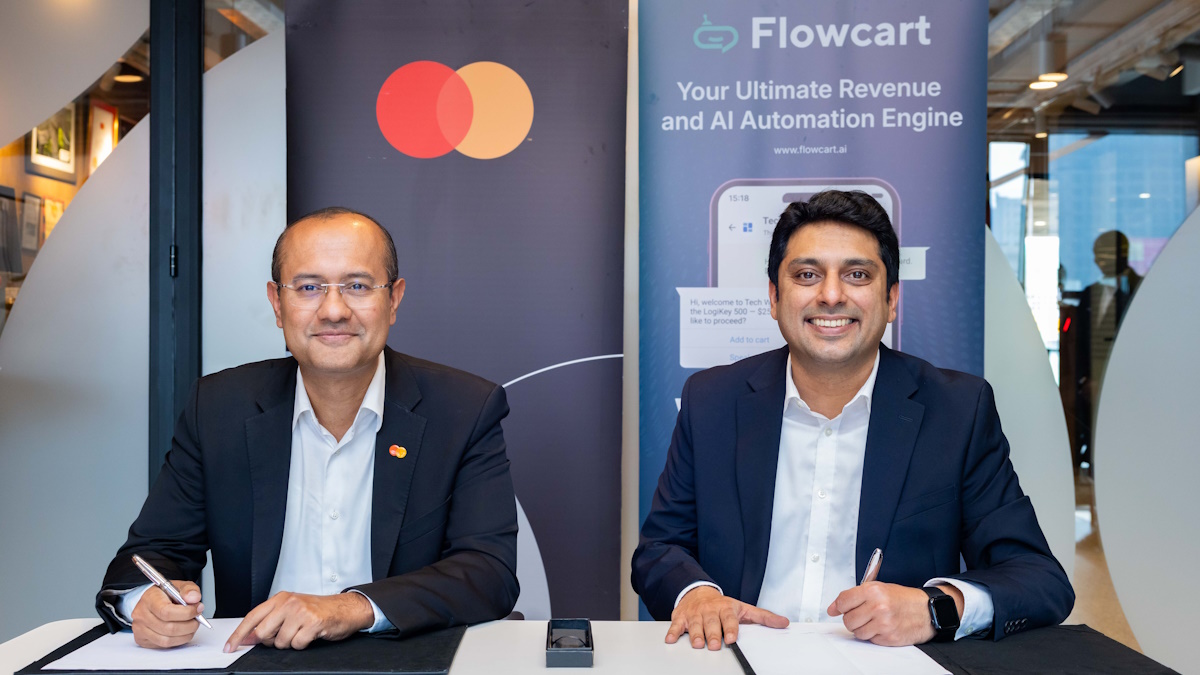
Shehryar Ali, senior vice-president and country manager for East Africa and Indian Ocean Islands at Mastercard (left), and Saad Latif, director of commercial operations at Flowcart. (Image: supplied.)
MasterCard has partnered with Flowcart to enable consumers in Kenya to discover products, place orders and make card payments within social and messaging platforms, starting with WhatsApp.
The collaboration, announced on 7 September, will initially launch in Kenya before expanding across East Africa and into South Africa, Nigeria and Côte d’Ivoire.
It combines MasterCard’s payment network with Flowcart’s AI-powered commerce platform to allow transactions without redirecting customers to a separate website or app.
The move comes as 80% of Kenyan small and medium-sized enterprises identify simple, seamless and user-friendly payment methods as a top requirement for future growth, according to MasterCard’s 2026 SME Confidence Index.
The companies say WhatsApp now accounts for more than 20% of online shopping orders in Kenya, as messaging platforms become increasingly important channels for businesses and social sellers.
Under the agreement, consumers can complete payments through embedded links, QR codes or native checkout flows supported by Mastercard Gateway and its acquiring partners.
The service is designed to allow merchants, from social sellers and SMEs to larger brands, to accept card payments without relying on a separate website or traditional point-of-sale system.
The partnership also targets Kenya’s creator and informal commerce sectors, where sellers increasingly use social and messaging platforms to reach customers.
Chat commerce is not new to the African market.
In 2021, Nedbank, Mastercard and fintech company Ukheshe launched Money Message in South Africa, allowing small and micro businesses to request and receive payments through WhatsApp.
Telkom South Africa also launched a MasterCard virtual card for WhatsApp transactions that year.
ITWeb has previously reported that chat commerce allows businesses to combine customer engagement, product discovery and transactions within messaging platforms.
More recently, the emergence of AI-assisted commerce has extended the concept beyond customer support and messaging, with businesses using conversational interfaces to guide customers through product discovery and purchasing.
ITWeb also reported in 2025 that AI-powered chat commerce was increasingly being positioned around convenience and context, while its 2026 coverage of agentic commerce noted that AI-enabled payment remains relatively limited at checkout among South African consumers.
For MasterCard and Flowcart, the latest agreement brings payments further into that conversational journey.
The companies say the integration is intended to reduce friction at checkout, increase repeat purchases and extend digital payment acceptance among smaller and informal businesses.
Ananth Gudipati, founder of Flowcart, said: “Together, we are enabling a future where commerce and payments happen seamlessly within conversations, driving higher conversion, repeat purchases and meaningful growth for merchants.”
MasterCard said the initiative forms part of broader efforts to bring digital payments into social and conversational commerce, with the companies planning to scale the service across additional African markets.
FinTechMasterCardE-commerceWhatsAppPaymentsSMEsAIMerchantsKenyaSouth AfricaNigeriaCôte d’Ivoire
