

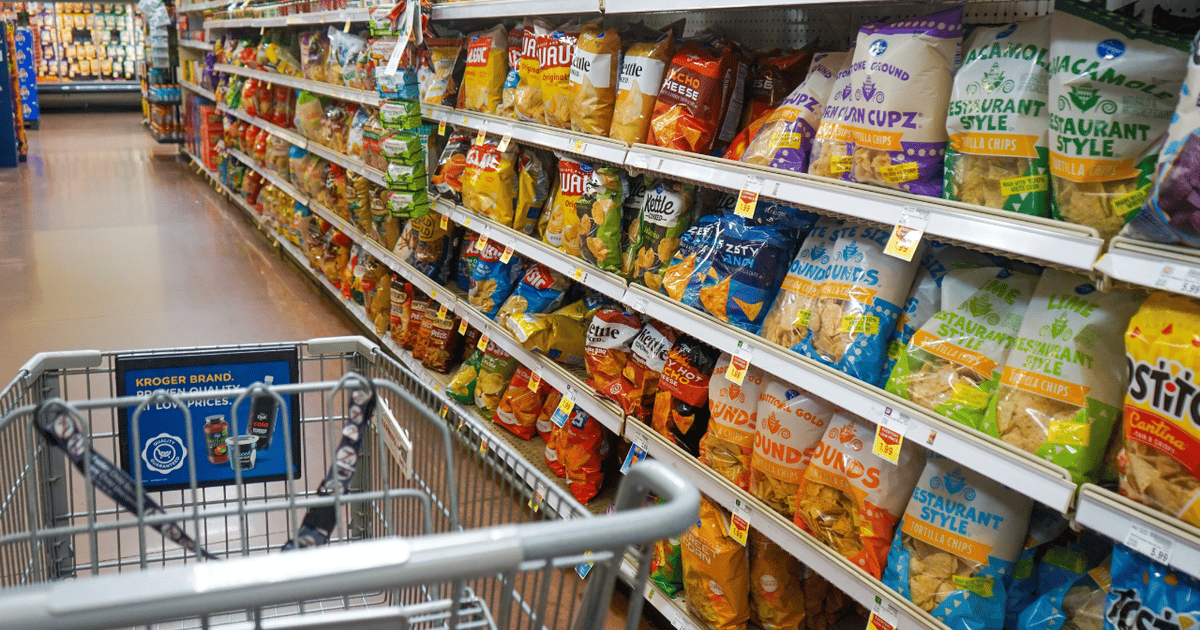
Many of the comments, however, focused more on Kroger as the reason for the decline
WhenSupermarket Newsaskedreaders on LinkedIn why Kroger has lost foot traffic over the last few months, the response differed from a LinkedIn postsharedearlier in the week. Forty-six percent blamed the market for the decline in the Cincinnati-based retailer’s numbers. Twenty-four percent said the company focused too much on ecommerce, and 15% said the retailer didn’t offer enough sale items.
“Overall shopping experience has declined,” said Jeff Czerneski. “Store conditions and long checkout lines. Pricing on ‘healthier’ items is higher than all other competitors. Kroger used to make up for this with aggressive pricing on sale items.”
“One: store employees, if you find one, are unenthusiastic drones,” posted Craig Blackburn. “Two: freshness, in the produce department particularly, is not good.”
“They have gutted all the great systems that worked in the past in an effort to be something that they are not, and in doing so, they lost their focus and the loyalty that they once had with the public, and once that is lost, it’s a mountain climb to get even a portion of it back,” said Kirk Brinkerhoff.
Not all the comments blamed Kroger. Michael M. said the decline in traffic stems from shoppers shifting toward grocery market niches, such as ethnic and health-conscious niches.
“People complete their grocery shopping in a smaller-scale store with everything they need within their market niche,” he said.
Another poster believes economic conditions and cost of living are taking their toll.
“I feel Kroger is very good at assessing the long term. Perhaps it could focus less on prepackaged items that suggest lesser quality. Reexamine its business model to attract more career-driven employees. Create and sustain more of a boutique image to capture the customer’s imagination. Kroger is on a good path.”
