

Poland Hybrid work dominates in Poland
Office & mixed-use development
schedule 16 October 2026
Opr./edited by AH
As many as 93 pct of organisations in Poland operate hybrid working models, while just 1 pct are fully remote, according to Colliers Define’s ‘Hybrid and Beyond ’26’ report. Companies are increasingly focusing on how they organise collaboration and use offices to build relationships, rather than increasing the number of days employees spend on site.
You are reading this content because it is covered by the free limit. Buy full access!
The most popular model, requiring employees to work from the office two to three days a week, is used by 58 pct of the organisations surveyed. Meanwhile, tailored arrangements for individual teams are gaining ground, rising from 5 pct in 2022–2023 to 19 pct today.
The market is not returning to the office; it is becoming more mature in how it manages hybrid work. Organisations are increasingly establishing clear hybrid working policies and adapting them to teams’ needs and the nature of their work.
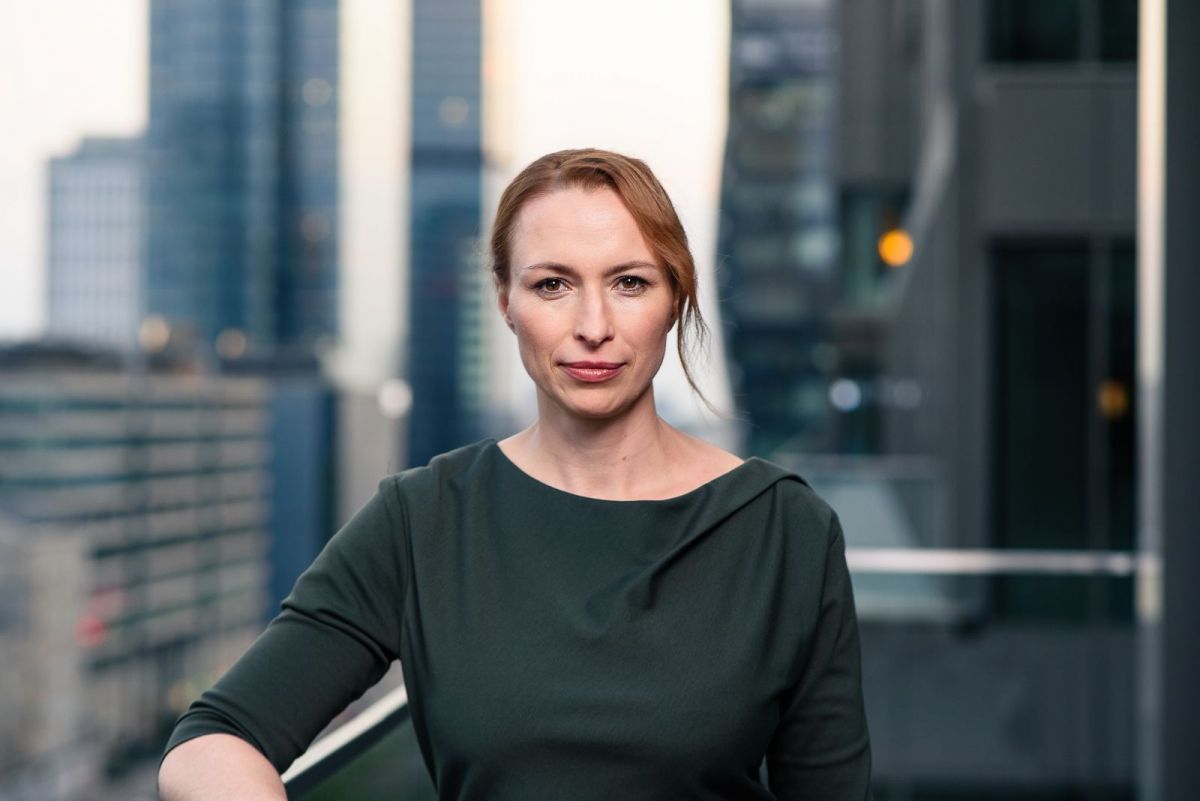
Dorota Osiecka, partner and director at Colliers Define.
The role of the office is also changing. The most commonly cited reasons for encouraging employees to work on site are team integration (32 pct), improved information flow (25 pct) and better collaboration (23 pct).
The study shows that remote work delivers benefits primarily in terms of employee wellbeing and work-life balance, rated positively by 73 pct of respondents. Its impact on recruitment (64 pct) and employee retention (62 pct) is also valued.
At the same time, companies report challenges associated with managing distributed teams. As many as 56 pct of respondents see remote work as having a negative impact on employees’ sense of belonging, while 51 pct report difficulties with day-to-day information flow.
The answer to the challenges of hybrid work is not to restrict flexibility, but to better integrate people management, technology, office space and organisational processes.
Grzegorz Rajca, associate director at Colliers Define.
According to the experts, demographic change and the growing importance of retaining older employees in the workforce will pose further challenges. Flexible working models can make it easier to balance professional and caring responsibilities while reducing commuting burdens.
