

Gen Z, millennial shoppers reshaping the c-store retail experience game plan | Retail Customer Experience
Customer Service
Gen Z, millennial shoppers reshaping the c-store retail experience game plan
Convenience retailers need to re-think the customer visit given consumer expectations. Small immediate perks and a sense of recognition can drive customer loyalty.
October 22, 2026 by Judy Mottl — Editor: RetailCustomerExperience.com & DigitalSignageToday.com, Connect Media

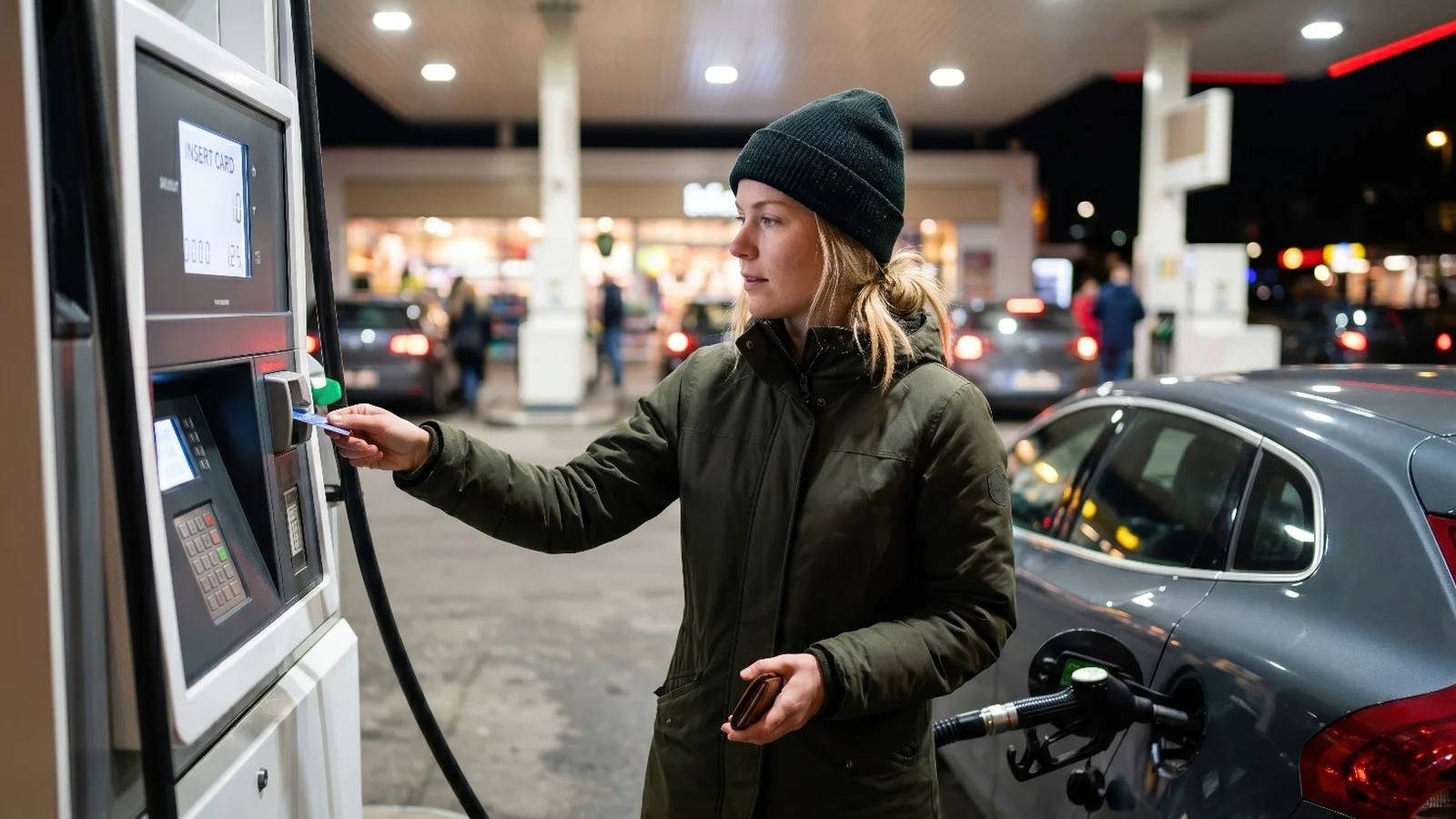
Today’s shopper is increasingly embracing the c-store/fuel convenience retailer when it comes to grabbing a quick drink, snack and even everyday essentials. A prime reason is there is typically a small, or no, line for purchase.
Vontier research calls the shopping trend an ‘Amazon-ification’ of the c-store forecourt [fueling area] and the data reveals it’s reshaping how convenience retailers think about the entire customer visit which is traditionally triggered by a need for gas or electric charging.
Vontier unites productivity, automation and multi-energy technologies to meet the needs of the mobility ecosystem.
Gen Z, millennials love perks
Small immediate perks and a sense of recognition still drive where c-store shoppers return — especially among millennials and Gen Z. Customers are separating the transaction from the experience and now expect both to be exceptional, according to the Vontier survey data.
This duality builds directly on Vontier’s earlier research, which found that frequent visitors are motivated by identity — by feeling known, recognized and at home.
What c-store shoppers want
Key findings from the company’s national survey of 600-plus U.S. drivers reveals the following.
- 47% want to buy food, drinks and essentials without stepping inside — the forecourt as the primary interface for the entire visit.
- 90%-plus spend fewer than 10 minutes on site; 44% spend fewer than five.
- 70% said dependable payment and fueling systems are extremely important in deciding where they return.
- Immediate, small perks resonate most with Gen Z and millennials, signaling a shift toward instant rewards with emotional payoff.
C-store consumers expect operators to cater to two distinct types of visits: a fast, low interaction mode when they’re in a hurry and a reward seeking mode where recognition and small perks matter.
RetailCustomerExperience reached out to Vontier Chief Marketing Officer Elaine Kanak to delve deeper in to the research findings and gain insight on what c-store retailers need to do to meet consumer expectations.
Q. Can you provide some scope on the finding that millennials and Gen Z. customers are separating the transaction from the experience?
Kanak: Younger drivers appear to place equal importance on both convenience and experience when evaluating a C-store visit. The survey found that 49% of Gen Z and 43% of millennials said their most recent visit would have been better with faster, easier checkout or payment, highlighting the importance of a frictionless transaction.
At the same time, 54% of Gen Z and 48% of millennials said poor cleanliness detracted from their visit, and younger respondents were also more likely to cite safety and site conditions as areas for improvement.
Rather than viewing convenience alone as the driver of loyalty, younger consumers appear to evaluate the entire experience. They expect fast and seamless transactions, but they’re also paying close attention to cleanliness, food offerings, safety and overall site quality.
While we don’t have historical trend data from this survey, the generational differences suggest these experience factors are becoming increasingly important alongside traditional convenience attributes.
Q. What should convenience stores start doing given the findings of how consumers are viewing the c-store experience. What good first steps they need to take?
Kanak: The first step is removing friction. With 91% of drivers spending less than 10 minutes on site (and nearly half spending under five), any delay becomes a reason not to return. Faster checkout, reliable payment and fueling systems, and easy access are all top ranked needs in the survey.
One of the most practical changes operators can make is extending the transaction to the forecourt. Allowing customers to order food, drinks and essentials while fueling turns idle time into a retail moment. It also aligns with what drivers say they want: 47% find paying for in-store items at the pump or charger appealing.
Even small operational improvements matter. Clearer menus, better order visibility and streamlined pickup directly address the most common complaints about recent visits, from slow checkout to inconvenient layouts to cleanliness issues.
Q. Does the fact that nearly 50% want to buy food/drink without stepping inside reflect an increase in mobile app use for the c-store?
Kanak:It reflects a broader digital commerce expectation. Consumers are used to browsing, ordering and paying instantly through apps and digital interfaces, and that behavior is now extending to the forecourt.
Mobile app engagement is already strong: 64% of loyalty members use apps, rising to 74% among Gen Z. The desire to buy without entering the store, however, goes beyond apps. Drivers want the option to transact instantly through whatever interface is most convenient: a mobile app, an in vehicle system or the pump itself. The common thread is eliminating extra steps.
Q. What kind of immediate small perks resonate with Gen Z and millennials?
Kanak:Immediacy matters more than the size of the reward. Discounted fuel is the top incentive across all demographics, but younger drivers respond especially well to small, instant perks tied directly to the visit. Free coffee, sweet treats, and snacks were appealing to 59% of millennials and 70% of Gen Z in the survey.
These rewards work because they deliver value in the moment. Instead of earning points over time, customers get something right away and that immediate payoff reinforces the behavior. It also taps into the emotional side of loyalty.
Many open text responses referenced familiarity, recognition and routine as reasons they stick with a brand. Instant perks strengthen both the transactional and emotional sides of the visit.
Q. Overall what do the findings mean for today’s c-store operator. Is it time to put new strategies in place and adjust customer service?
Kanak:The data points to a clear shift in expectations. Customers want fast, seamless transactions — increasingly handled at the forecourt — and they want the visit to feel worthwhile. Capabilities like ordering at the pump bring those expectations together, letting customers fuel and purchase items in one step. That reduces friction and turns fuel only stops into retail opportunities.
These same capabilities also create more moments to deliver immediate, relevant rewards. Operators who combine fast, flexible transactions with meaningful, instant incentives will be best positioned to meet evolving customer expectations and build long term loyalty.
In-Store MediaRetail – Convenience StoresLoyalty ProgramsCustomer ExperienceCustomer ServiceConsumer BehaviorMarketing
About Judy Mottl
Judy Mottl is the editor of RetailCustomerExperience.com and DigitalSignageToday.com at Connect Media. She is an award-winning editor, reporter and blogger who has worked for top media for nearly four decades, including AOL, InformationWeek and Internet News, as well as for leading technology providers including HP. She’s written everything from breaking news to in-depth industry trends and reported on technology long before the internet arrived, including the debut of the first smartphone. When she’s not sharing insights on digital signage deployments and trends in retail customer experience she’s on the beach or watching the latest live murder trial.
Related Media
Article
C-store retail: Consumers, EV adoption among many factors reshaping the industry
News
C-store customers motivated by promotions, curated product offerings
Article
AI, social media, digital shopping: What retailers need to do to grab Gen Alpha, Gen Z shoppers
Article
C-store RaceTrac redefines loyaltyre of Digitally Led Convenience
Article
Examining the knowledge gap between shoppers, retail store associates
