

Abstract
As generative AI tools are increasingly adopted in design education, understanding how AI learning assistants foster perceived learning support (PLS) among design students has become a pressing concern. Drawing on Social Support Theory, the Computers Are Social Actors (CASA) framework, Parasocial Relationship Theory, and the Stimulus–Organism–Response (SOR) model, this study examines how AI anthropomorphism and technical quality factors shape trust and enjoyment, ultimately influencing PLS. Using a multi-method quantitative approach, PLS-SEM (N = 297), Artificial Neural Network (ANN), and Necessary Condition Analysis (NCA), we find that perceived enjoyment (β = 0.543, p < 0.001) and AI trust (β = 0.320, p < 0.001) are the strongest direct predictors of PLS, while technical quality factors act indirectly through enjoyment and trust. Anthropomorphism shows a paradoxical pattern: human-like features enhance enjoyment and trust, yet have a small negative direct effect on PLS (β = − 0.119, p = 0.002), suggesting that overly human-like responses may raise expectations for authentic support that the AI system cannot fully meet. The model explained 64.5% of the variance in PLS with an acceptable fit. This study advances understanding of student–AI learning partnerships in design education and offers design insights for calibrating anthropomorphic features to foster sustainable learning support.
Subjects
Funding
This work was supported by the 2025 Special Project for Smart Course Teaching Reform in Sichuan Higher Education Institutions (institutional project at Aba Teachers University; Grant No. 202502027); the 2024 Project of the Bayu Folk Art Research Center, a Key Research Base for Humanities and Social Sciences of the Sichuan Provincial Department of Education, “Digital Reconstruction and Innovative Inheritance of Bayu Intangible Cultural Heritage Art Based on Machine Learning” (Grant No. BYMY24B20); and the 2025 Project of the Northwest Sichuan Intangible Cultural Heritage Innovation and Development Research Center, a Key Research Base for Philosophy and Social Sciences in Aba Prefecture, “Design Analysis and Digital-Twin Transformation of Tibetan and Qiang Intangible Cultural Heritage Art Genes from an AIGC-Empowered Perspective” (Grant No. ABKTFYCX2025-12).
Authors and Affiliations
Ethics declarations
Competing interests
No potential conflict of interest was reported by the author(s).
Additional information
Publisher’s note
Springer Nature remains neutral with regard to jurisdictional claims in published maps and institutional affiliations.
Supplementary Information
Appendix
Appendix
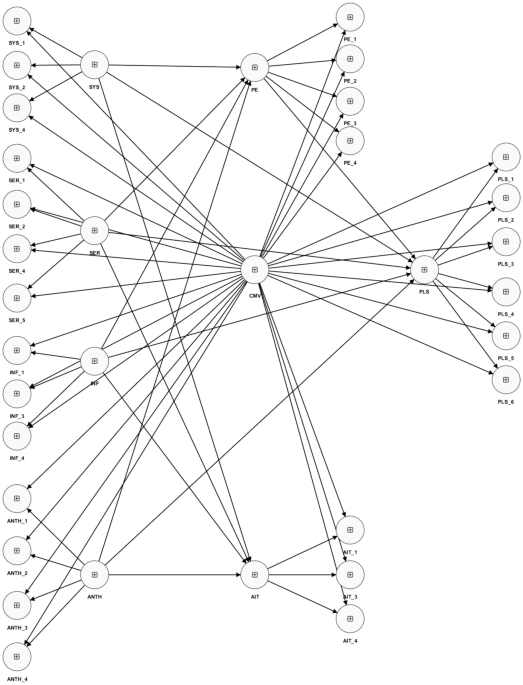
See Tables 11, 12 and Fig. 4.
Rights and permissions
Open Access This article is licensed under a Creative Commons Attribution-NonCommercial-NoDerivatives 4.0 International License, which permits any non-commercial use, sharing, distribution and reproduction in any medium or format, as long as you give appropriate credit to the original author(s) and the source, provide a link to the Creative Commons licence, and indicate if you modified the licensed material. You do not have permission under this licence to share adapted material derived from this article or parts of it. The images or other third party material in this article are included in the article’s Creative Commons licence, unless indicated otherwise in a credit line to the material. If material is not included in the article’s Creative Commons licence and your intended use is not permitted by statutory regulation or exceeds the permitted use, you will need to obtain permission directly from the copyright holder. To view a copy of this licence, visit http://creativecommons.org/licenses/by-nc-nd/4.0/.
About this article
Cite this article
Wang, A. From tool to learning partner: how generative AI shapes perceived learning support among design students.
Sci Rep (2026). https://doi.org/10.1038/s41598-026-66324-4
-
DOI
:https://doi.org/10.1038/s41598-026-66324-4
