

My Uncle Chip, a man of rakish notoriety and impeccable taste, was a fount of memorable advice. “If you can’t be bright, at least be polite.” Another gem, offered after a breakup: “Women are like buses. If you miss one, another comes along in fifteen minutes.” He once told me that to be an entrepreneur, a man needs “a nose for opportunities, rich friends, and huge balls.” I have followed that last bit of advice faithfully, with little discernible effect on my tax bracket. And Uncle Chip, it should be noted, was a fishing guide in St. Barth’s living off a trust fund. As a young man eager to forsake the corporate slog, I needed field-tested wisdom from an entrepreneur who had actually made it.
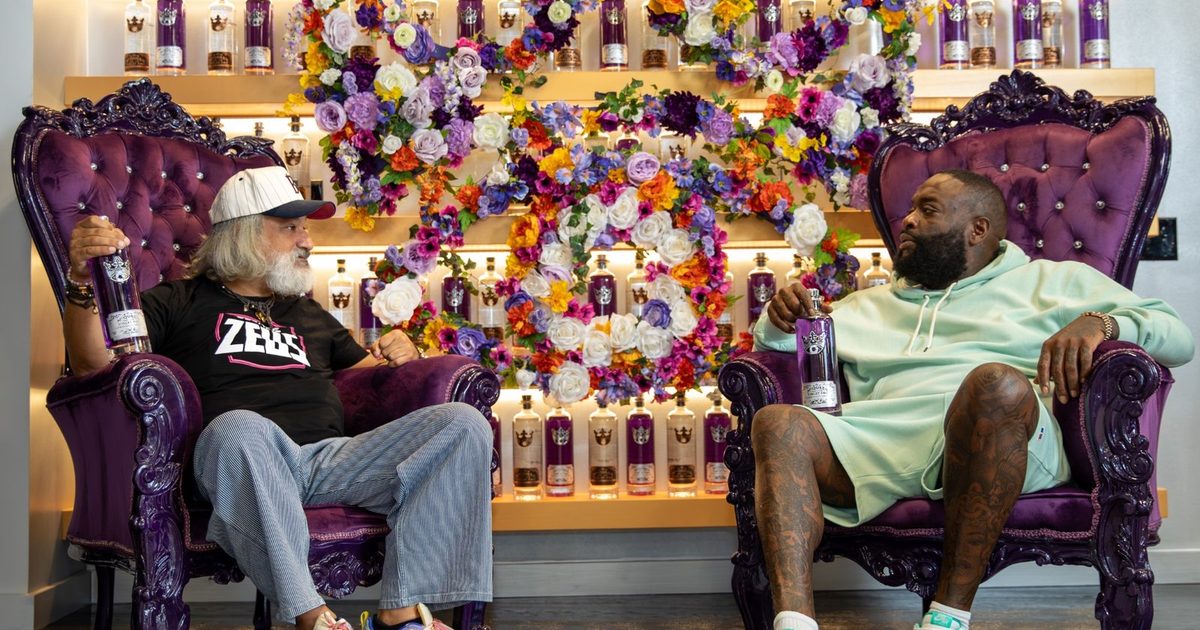
I sat down last week with Brett Berish, founder and CEO ofSovereign Brands, the company behindBumbu Rum,Luc Belaire, andThe Deacon Scotch Whisky. If you’re a hip-hop fan, you’ve probably seen Brett’s handiwork. The bottle of Luc Belaire in Rick Ross’s “Champagne Moments” video. DJ Khaled flaunting Bumbu Rum in “No Brainer.” Like Jacob & Co., Sovereign is a name deeply woven into hip-hop culture. Back in May, I’d visited Sovereign’s Manhattan office to interview Rick Ross, a longtime Luc Belaire brand ambassador. It was a rollicking conversation, and I ripped a shot of The Deacon with The Biggest Boss before parting ways. This time, I was there to meet the mastermind behind the bottles.
With his long gray hair, Jamey Johnson-like beard, and ample jewelry, Brett looks better suited to Bali than banking. Yet before founding Sovereign, he worked in private equity. His life off the résumé is equally fascinating: he lived in Taiwan, has traveled to more countries than most travel writers, and, to my delight, wishes he had studied English instead of finance in college.
Over an hour-long chat, Brett shared a few pearls of entrepreneurial wisdom.
Finance teaches valuable skills, but beware the golden handcuffs
The skills Brett honed in private equity proved invaluable when it came time to build his own company. When he launched Sovereign in his thirties, he already understood cash flows, money management, and business fundamentals. Wall Street had also given him the stomach for late nights and the unglamorous slog required to build a company.
The harder part was shaking off the golden handcuffs—forsaking a handsome corporate salary for the uncertainty of his own venture. Many of his colleagues were content to make lifelong careers in private equity. Ultimately, his gamble paid off. He is happier in the spirits industry, answers to no one but himself, and, well, business is booming.
It’s a long way to the top (if you wanna rock ’n’ roll)
“Too many young entrepreneurs get frustrated if their business doesn’t flourish immediately,” Brett told me. “Especially with building brands, success comes slowly and gradually.” His advice: Forget overnight success. Keep your head down, strengthen the fundamentals, and play the long game.
This advice hit hard. Five years ago, I left a teaching career to pursue freelance writing. For months—even years—I had to suck it up as editors ghosted me and precarious publications stiffed me. But I loved the craft and kept pedaling through the setbacks. Today, I’m not exactly yacht shopping, but I meet Stephen King’s criterion for a successful writer: I pay my bills on time. Plus, writing takes me to the world’s finest restaurants and hotels and lets me hang with cool cats like Brett and Rick Ross. Hell, I’ll take that over a robust healthcare plan.
Don’t always imitate the big boys
When Brett first launched Sovereign, he followed the playbook of the industry heavyweights. Jim Beam spends X% of its budget on advertising? Roger that. Industry experts say brands must be in Vegas’s hottest clubs? OK, time to make moves in Nevada. This monkey-see, monkey-do strategy nearly bankrupted him. His hero and most stalwart supporter—his mom—even offered to sell her jewelry to help keep him afloat.
After some soul-searching, Brett decided to stop taking his cues from larger companies. What worked for 800-pound gorillas like Suntory didn’t necessarily translate to a smaller, younger company. Brett slashed his budget for traditional advertising and instead focused on cultivating relationships with journalists, bartenders, and influencers. He tuned out the clamor to get his brands into trendy nightclubs. Their clientele was mostly transient, anyway—so why not focus on neighborhood bars with loyal regulars?
Grassroots marketing became his golden ticket. The returns came more gradually, but the approach built something that often eludes conventional advertising: deep brand loyalty.
Do what makes you happy
It’s a platitude, sure, but one people ignore even when they know it’s true. Spending your precious years hating your job just ain’t worth it, no matter how fat the paycheck. Ask most octogenarians: time well spent is more valuable than extra zeroes in your bank account.
And following your bliss, to borrow a phrase from Joseph Campbell, often does translate into financial success. Sovereign flourished in part because of its prominence in the hip-hop community. But this relationship didn’t begin as some calculated business strategy. Brett just loved hip-hop. Working with his favorite rappers made him feel alive. Over the years, that passion has allowed him to kick it with the likes of Rick Ross, Lil Wayne, and Jay-Z—and call it work.
