

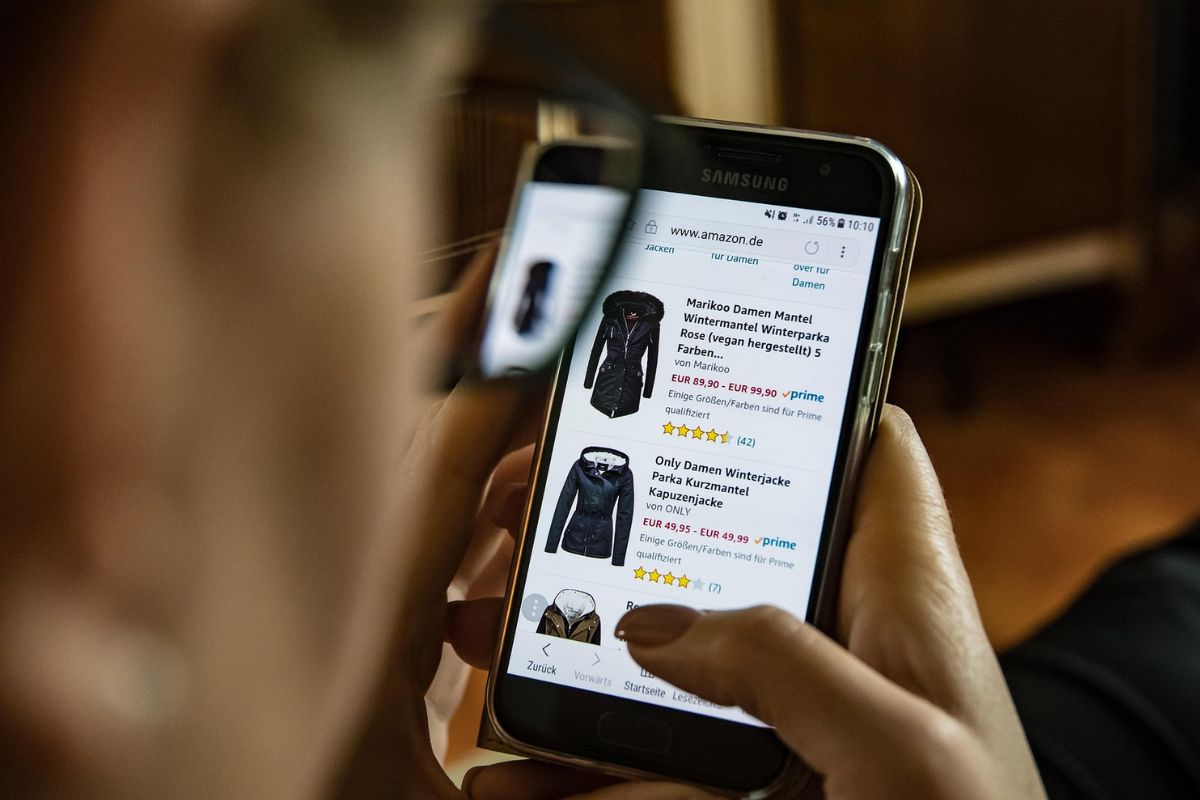
Shopping online offers convenience and savings, but scams, low-quality goods and job losses raise questions about its cost to South Africa. Image: Pixabay
Shopping online: Discover the bargains, risks and the cost to SA

Shopping online offers South Africans convenience, competitive prices and access to products unavailable in local shops.
However, those attractive bargains can carry hidden financial, security and economic costs.
Fraudsters exploit digital marketplaces, while international retailers challenge South African businesses with their low prices.
The debate has intensified following calls to ban popular platforms like Temu and Shein over concerns about local manufacturing and employment.
The bottom line is that consumers must weigh their personal savings against the wider consequences of where they spend their money.
WHAT SHOULD SHOPPERS WATCH FOR WHEN SHOPPING ONLINE?
Shopping online can save time and money, provided consumers recognise the risks. Fraudsters create convincing websites, impersonate established retailers and advertise impossibly cheap products. Some disappear after receiving payment, while others steal banking information.
South African consumers should verify unfamiliar retailers before placing orders. Some online shopping safety guidance sites recommend checking independent reviews, confirming website legitimacy and examining return policies.
Shoppers should also avoid suspicious links in social media advertisements and unsolicited messages. Instead, they should visit retailers’ official websites directly.
Secure payment gateways, transaction notifications and strong account security offer further protection.
International purchases require additional caution. Delivery charges, customs duties, taxes and currency fluctuations can increase the final bill. Consumers should check return arrangements carefully, particularly when overseas sellers make refunds expensive or complicated.
Low prices alone do not guarantee quality, reliable delivery or responsible business practices.
Before purchasing, shoppers should consider whether a local retailer could offer better long-term value.
WHY HAS ONLINE SHOPPING SPARKED A FIGHT OVER JOBS?
South Africa’s clothing and textile industries face growing competition from international e-commerce platforms. COSATU recently supported a campaign to ban Temu and Shein, following similar calls from the Southern African Clothing and Textile Workers’ Union.
The unions argue that cheap imports threaten domestic manufacturers, retailers and employment. EWN reported on 19 October that the National Clothing Retail Federation acknowledges concerns about potential job losses.
However, federation executive director Michael Lawrence warned against treating a ban as a complete solution. He argues that government should investigate the underlying problems and ensure fair competition.
Tax treatment has become a central issue. The South African Revenue Service (SARS) announced import-tax changes in August 2024. Previously, qualifying imports below R500 could attract a flat 20% customs duty without VAT under a special concession.
SARS introduced changes to address concerns about unfair competition and unpaid taxes. These measures aimed to create a more level playing field for local businesses.
DOES SHOPPINGFROM FOREIGN PLATFORMS HELP OR HURT SOUTH AFRICA’S ECONOMY?
Shopping online supports economic activity through delivery services, digital payments, warehousing and retail employment.
Local e-commerce businesses can also reach customers beyond their immediate neighbourhoods.
However, spending on imported products sends money overseas rather than directly supporting South African manufacturers.
Local businesses may struggle to match international prices while covering wages, rent, taxes and other operating costs.
That pressure matters because local manufacturing supports jobs and related businesses throughout the supply chain. Reduced demand can affect factory workers, suppliers, transport operators and retailers.
Consumers should not shoulder the entire responsibility for protecting local industry. Government must enforce tax rules consistently, investigate unfair trading practices and encourage competitive local production.
An outright ban could also reduce consumer choice and competition. Stronger enforcement and practical support for local manufacturers offer alternatives worth considering.
Ultimately, shopping online is neither inherently harmful nor automatically beneficial. Consumers can protect their finances while considering the economic consequences of their purchases.
Choosing local products when prices, quality and affordability allow can help keep more spending within South Africa.
