

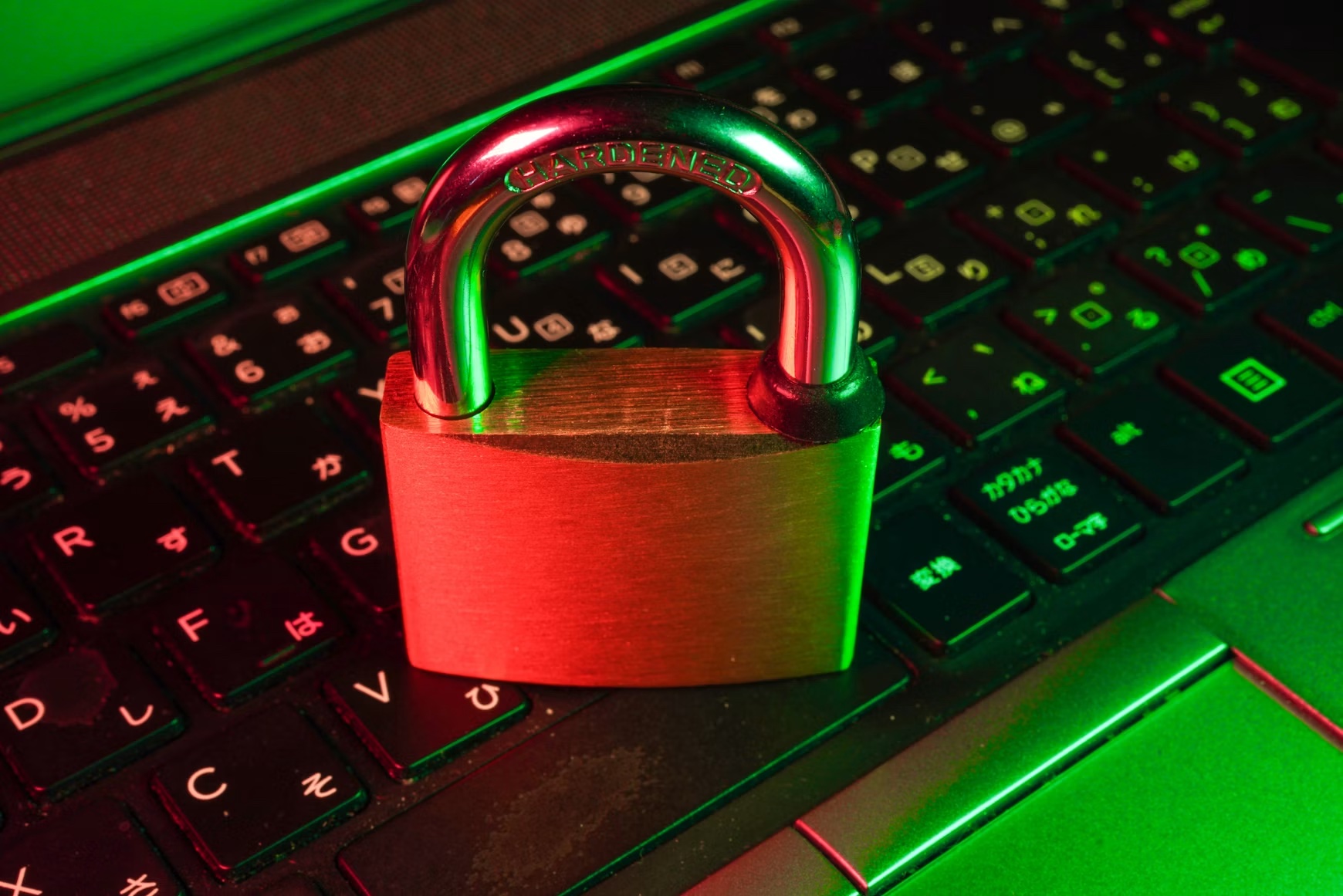
For online businesses, your digital storefront is the new high street. But this huge opportunity also brings significant risk. E-commerce cybersecurity is a core part of keeping your business running, maintaining customer trust, and achieving long-term success. Protecting your online store from digital threats is just as important as locking the doors of a physical shop at night.
Threat Landscape for Online Stores
E-commerce businesses face many threats, and these digital dangers are becoming increasingly sophisticated. Phishing attacks try to trick you or your staff into giving up sensitive information, like passwords or financial details, often through fake emails. Malware, including ransomware, can shut down your operations by infecting your systems and holding data hostage. Another common problem isDistributed Denial-of-Service (DDoS) attacks,where criminals flood your site with traffic and make it impossible for real customers to access.
Securing Customer Data Effectively
Your customers trust you with their personal information, and keeping that trust is essential. The first line of defense is an SSL (Secure Sockets Layer) certificate, which encrypts data moving between your customers’ browsers and your server. This is the small padlock icon users look for. You should also set strong password rules for all user accounts, including both customers and administrators. Encouraging or requiring two-factor authentication (2FA) adds another vital layer of security as it makes it much harder for unauthorised users to gain access, even if they manage to steal a password.
Compliance and Data Privacy Rules
When it comes toe-commerce security, you should also understand data privacy regulations. Rules like the GDPR in Europe set strict standards for how customer data is collected, stored, and processed. Not following these rules can lead to large fines and damage your reputation. It’s crucial to have a clear privacy policy and make sure your practices meet legal requirements.
For resources, U.S. Federal Trade Commission offers extensive guidance on cybersecurity for small businesses to help them meet their obligations. When it comes to the payment processing rules and local tax obligations, it’s safer to seek expert knowledge. Many businesses consult an<a href="https://rjmtaxexemption.com/sales-tax-consultants/” rel=”nofollow noopener” target=”_blank”>online sales tax consultantto ensure they’re fully compliant.
Financial Security in Digital Transactions
The checkout process is the most sensitive part of your e-commerce operation. To protect financial data, you must comply with the Payment Card Industry Data Security Standard (PCI DSS). Most businesses achieve this by using a trusted, compliant payment gateway like Stripe, PayPal, or Square. These services handle card processing on their own secure servers, which reduces your direct risk. Plus, using fraud detection tools can help you spot and block suspicious transactions and prevent financial losses.
Future-Proofing Your E-commerce Security
Forbulletproof e-commerce cybersecurity, regularly update all your software, including your e-commerce platform, plugins, and themes, to fix any known vulnerabilities. Conduct periodic security audits to identify and fix weaknesses in your setup, and train your staff to recognise security threats like phishing and follow best practices. Having a clear incident response plan in place will ensure you can act quickly and effectively to minimise damage if a breach occurs.
Consistent security measures are the best defense for any online business. Staying informed and investing in the right protections helps you build a secure and trustworthy platform for your customers.
