

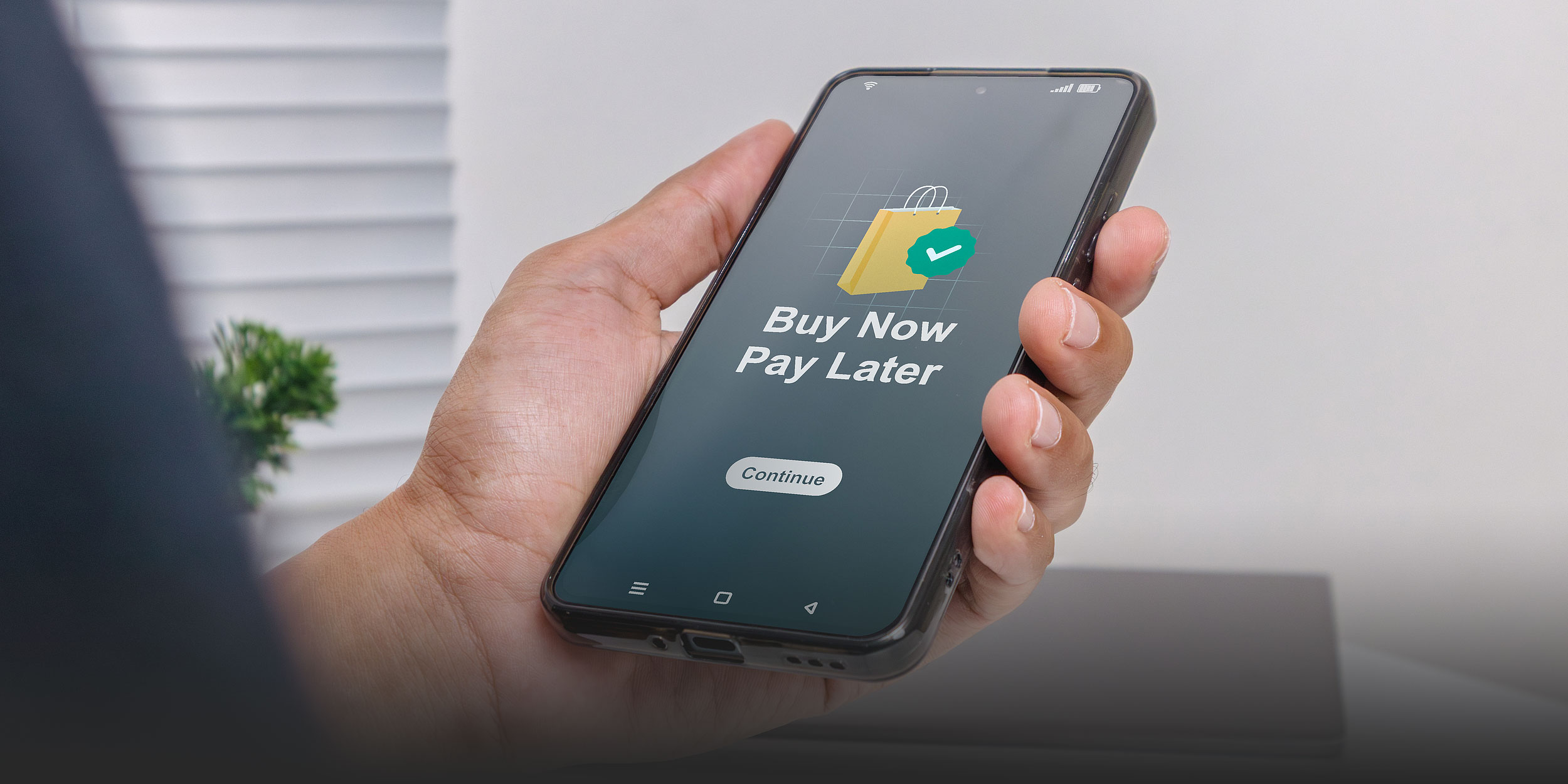
As young Chinese increasingly borrowthrough food-delivery and e-commerce apps, Chinese payment institutions, apart from banks, will no longer be allowed to list financial products such as loans and credit services among payment options at checkout, according to a new national policy set to take effect later this month.
The new measures, announced in April by the People’s Bank of China and seven other government departments, will take effect on Sept. 30. The rules also require companies to clearly state when they are selling financial products and bar bundled “buy now, pay later” financial services as a default option at checkout.
Companies must also direct users to financial institutions’ own platforms to purchase credit products, rather than third-party platforms; provide prominent risk reminders that must be read before purchase; and must either provide an option for customers to turn off algorithmic recommendations or algorithms that do not take into account their personal characteristics. Only financial institutions and certain authorized accounts may market financial products online.
In recent years, platforms ranging from food delivery and e-commerce to video streaming and online travel have begun offering installment-payment options at checkout, making it easier for consumers to access credit without undergoing traditional bank credit assessment or acquiring a credit card.
These services are usually provided by the platforms themselves or through third-party financial institutions, and encourage users to access loans through default selections, prominent placement of credit options, or discounts tied to activating consumer-credit products.
Sixth Tone found that on Black Cat Complaint, a mediation service launched by tech company Sina, hundreds of thousands of customer complaints about such credit services have been lodged. Complaints ranged from credit services being activated without customers’ knowledge, difficulties canceling services, disputed interest charges, and aggressive debt collection and personal information leaks when payments were not met.
“The core purpose of the new rules is to draw a clear boundary between payment tools and credit and wealth-management products, while better protecting consumers’ rights to know and to choose,” Dong Ximiao, director of the Shanghai Institution for Finance & Development, told domestic media.
As of Friday, the topic had garnered more than 42 million views on microblogging platform Weibo, with many users expressing support for the policy.
On Tuesday, customer service representatives from e-commerce platforms including Alipay, Meituan, Douyin, and JD.com told domestic media that their per-month payment plans will remain available.
Several platforms have begun to clearly identify credit service providers and separate credit services from regular payment methods. For example, Alipay’s online consumer credit service Ant Credit Pay is now listed under a separate “Credit” section.
However, some platforms still place credit options alongside or above regular payment methods. A check by Sixth Tone on Monday found that when placing a food delivery order on Meituan and Douyin, the Chinese version of TikTok, credit-related options still appear alongside regular payment channels. Default selections and discounts encouraging their use also remained.
Editor: Marianne Gunnarsson.
