

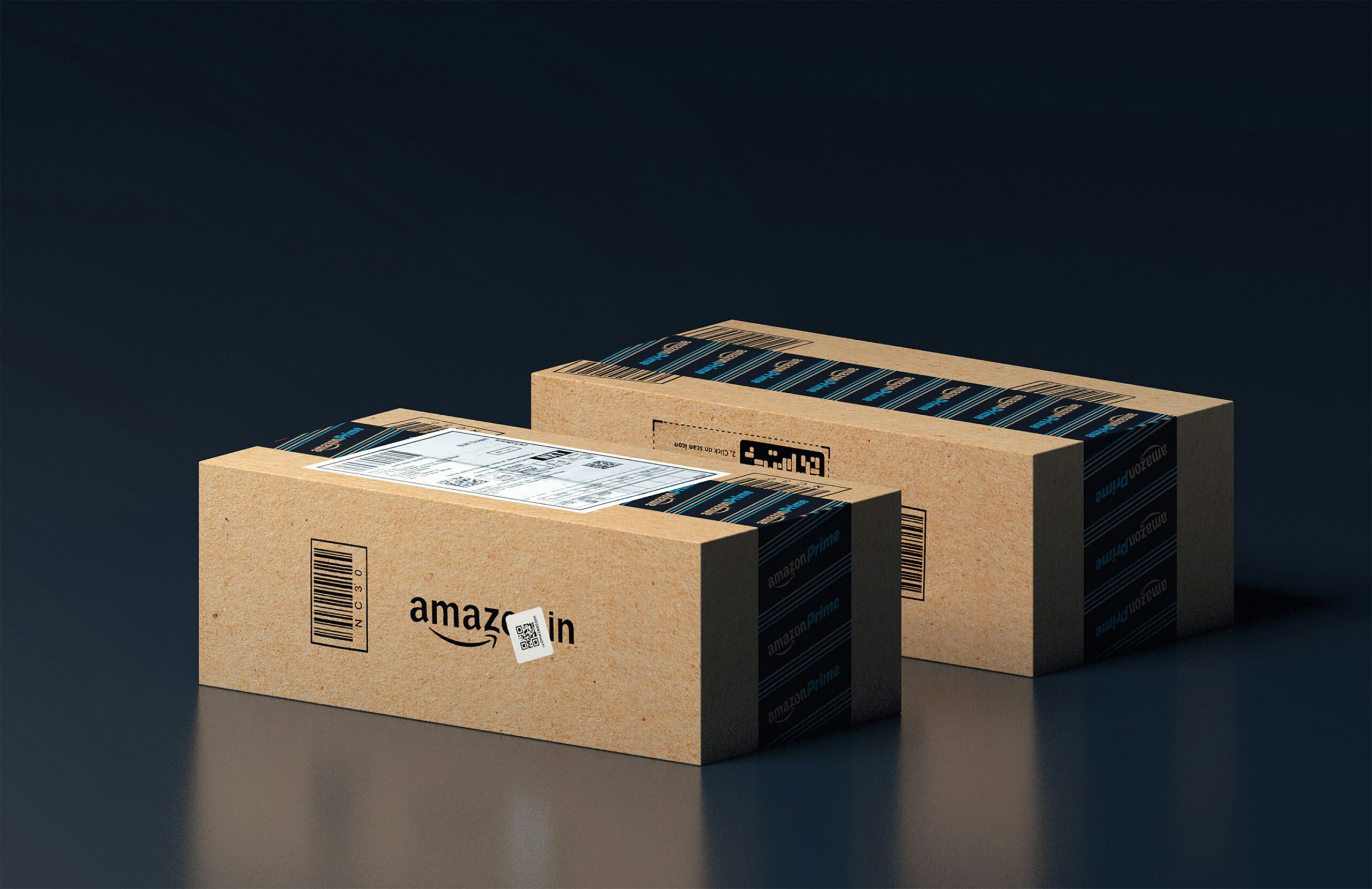
This year, Amazon moved Prime Day up from its usual July slot to June — and competitors leaned in.
Walmart and Target both launched their own competing sales events timed to overlap with Amazon’s window, turning what was once a single-retailer promotion into something much bigger: an unofficial summer shopping season. Online shopping during the period reached near-Black Friday levels.
Prime Day, launched by Amazon in 2015 as a Prime members-only summer sales event, has grown over the past decade into one of the retail calendar’s biggest shopping occasions. The numbers show just how significant these sales events have become for consumers and retailers alike, and how quickly the traditional retail calendar is changing.
Summer Sale Closing In on Black Friday
During the June 23rd-26th window, online U.S. retail spending grew roughly 9.3% year over year to $26.4 billion. For comparison, consumers spent about $32.45 billion across the entire Thanksgiving, Black Friday, and Cyber Monday stretch last year. A four-day sales period in June generated more than 80% of the online spending seen during the five-day Thanksgiving shopping period.
Prime Day is no longer a minor promotional bump; it’s become the second biggest shopping season of the year.
This June’s spending surge also didn’t happen in isolation. It landed in a stretch already dense with other consumer moments: Memorial Day sales, the FIFA World Cup, Father’s Day, and America’s 250th anniversary promotions around July 4th. Retailers stacking discounts and campaigns across all of these events helped to create a sustained period of consumer attention and spending.
That matters because retail historically revolved around a fairly predictable calendar. The holiday season dominated the fourth quarter, back-to-school owned late summer, and smaller holidays and promotional events filled in the gaps.
Prime Day and its competing events are disrupting that pattern.
What began as an Amazon-specific sales event has effectively created a broader retail occasion. Rivals no longer simply watch Prime Day from the sidelines. They launch their own promotions, increase marketing, and give shoppers reasons to compare prices across retailers.
And it wasn’t just an online phenomenon. Foot traffic data found that Target and Walmart both saw an increase in in-store traffic during Amazon’s event: evidence that a single retailer’s online marketing push is now capable of pulling shoppers into competitors’ physical stores across the industry.
Amazon may have created the moment, but increasingly, the entire retail sector benefits.
Why This Matters for Consumers
For consumers, the upshot is simple: the industry has moved toward more frequent, more competitive, and more consumer-responsive selling windows. The idea of waiting all year for “one big sale” is increasingly outdated.
Retailers are following the moments — sporting events, national holidays, and even competitor moves — where consumer attention is already concentrated, and building bigger, more competitive promotions around them. That creates more choice for shoppers.
If a major purchase doesn’t align with a consumer’s budget in November, there’s now a real, data-backed alternative in June, with a level of spending and promotional activity that increasingly rivals the holiday season itself.
It also gives consumers more leverage. When Amazon, Walmart, Target, and other major retailers are competing for the same shopper at the same time, consumers have more opportunities to compare prices, shipping benefits, loyalty rewards, and financing options before making a purchase.
Retail’s Calendar Rewritten
Prime Day proved that a retailer could manufacture a major shopping occasion in the middle of the year. Competitors responding with their own events have amplified it into an industry-wide spending moment.
For retailers, that means intensified competitive pressure. Sitting out a major promotional window can mean losing consumer attention not just to one rival, but to an entire group of brands aggressively competing for the same dollars.
For consumers, it means more opportunities to be strategic about when they spend.
Black Friday isn’t going anywhere. The holiday shopping season will remain enormously important. But a four-day June event generating $26.4 billion in online spending makes clear that November no longer has a monopoly on peak retail.
The second peak season has arrived, and consumers are winning as a result.
