

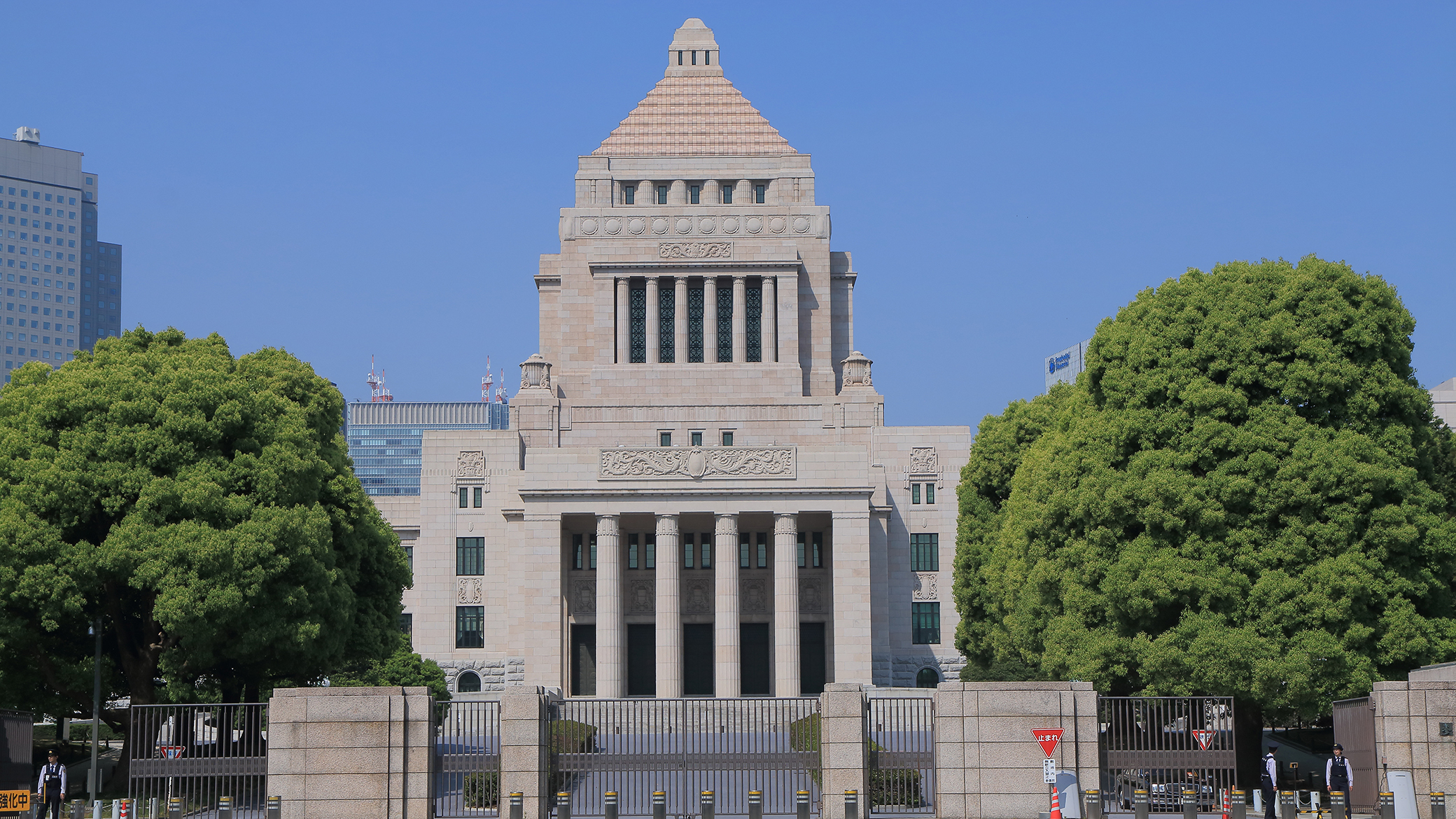
On Friday, July 31, the Japanese government formally launched its National Intelligence Bureau (NIB), among the first of several steps to reform Japan’s intelligence capabilities. Prime Minister Sanae Takaichi, who has pursued programmatic expansion of Japan’s defense capabilities since she came into office in the fall of last year, has identified intelligence as a key strategic priority. Proponents of these reforms argue that they are critical for Japan to contribute more actively to the U.S.-Japan alliance and address shared security priorities. Critics point to concerns that the establishment of the NIB does not fully address the causes of Japanese intelligence weakness and that this expansion may decrease oversight and pose a threat to civil liberties at home.
The success or failure of Japan’s intelligence expansion will depend largely on whether the Takaichi administration is able to pass other relevant policies, including an anti-espionage law, and whether it establishes a foreign intelligence service. Still, while the NIB is only a first step in reforming Japanese intelligence capabilities, its establishment signals commitment to engagement with the alliance and a desire to adapt to the changing geopolitical system. For Japan’s security partners, these reforms offer an opportunity to provide input on the development of an intelligence community that is more effective, more easily integrated into collaborative defense efforts, and better prepared to address pressing security issues.
Why Centralize Japan’s Intelligence?
The Takaichi administration’s efforts to establish a robust intelligence capacity are just one aspect of Japan’s new defense policies. Only a few days after her premiership began, Takaichi announced her intention to reach a defense budget of 2 percent of GDP in FY 2026, a full year ahead of the original FY 2027 target. She also accelerated the revision of Japan’s three strategic documents—the National Security Strategy, the National Defense Strategy, and the Defense Buildup Program—which are now expected to be released by the end of 2026. These revised documents are expected to outline significant changes, including expansion of Japan’s human and technological defense base, increased integration and cooperation with allies and partners, and a focus on medium- to long-term conflicts and new forms of warfare. The administration has also strongly reiterated its commitment to working with the United States and other partners to maintain geopolitical stability in the Pacific. The current state of Japan’s intelligence community, however, poses challenges to achieving these goals due to the decentralized structure of the Japanese intelligence community and weak information security policies.
Japanese intelligence has been decentralized since it was dismantled by the Allied occupation following the end of World War II. Provision of foreign intelligence under the U.S.-Japan Security Treaty in combination with domestic mistrust of state surveillance disincentivized conversations about intelligence. While many Japanese organizations maintained intelligence capabilities for their own purposes, they were discouraged from information sharing due to bureaucratic rivalries. A lack of anti-espionage laws outside of the Japan Defense Agency meant leaks were common. The result was a collection of disconnected intelligence islands with no pilot organization to guide broader intelligence policy or to ensure important information was shared quickly and with relevant decisionmakers.
Japanese leaders have long been aware of the problems with the country’s intelligence capabilities, and Takaichi’s new policies are the latest iteration in a pattern of attempted reform over multiple decades. By the 1990s, Japan was working to expand intelligence-gathering technologies and to streamline intelligence administration and information security. The NIB’s predecessor organization, the Cabinet Intelligence and Research Office (CIRO), was established in 1986 and grew in personnel, budget, and responsibility from the mid-1990s onward. In 2013, the Japanese government passed the Designated State Secrets Law, a policy that serves as Japan’s first equivalent to a classification system and allows designation of certain information as “state secrets” that are legally protected. New security clearance legislation passed in 2024 focused on the protection of information deemed critical to economic security.
Despite these changes, major structural problems remained. Chief among these, and the issue which the current reforms attempt to address, was a general lack of clarity regarding organizational structure. Centralization of intelligence capabilities occurred within ministries but rarely addressed conflicts over turf between them. CIRO, which served as a de facto center of intelligence for the cabinet, did not have authority over other intelligence teams in other organizations. This precluded clear and rapid intelligence communication at the national level.
In an international system that increasingly relies on swift, coordinated responses, decentralized information is a clear liability. Without timely and targeted intelligence, it is difficult for policy planners to make decisions about the best course of action, especially in times of crisis. Problems with stovepiping and information sharing between the U.S. intelligence agencies, for example, famously hindered efforts to track al-Qaeda operatives prior to 9/11. On the Japanese side, decentralized information sharing obstructed early government responses to the 2011 Fukushima nuclear disaster. This is of particular concern to Japanese leadership given escalating tensions with China and ongoing concern over North Korean nuclear capabilities. In particular, use of “cognitive warfare” weaponizing social media, AI, and disinformation to manipulate public opinion is of key concern for Japanese planners focused on counterintelligence.
Japanese Intelligence in 2026
The first two bricks in Takaichi’s path toward greater intelligence capacity—the launch of the NIB and the establishment of the National Intelligence Council (NIC)—are designed specifically to overcome these challenges. The NIB replaces CIRO, inheriting CIRO’s approximately 730 employees, and is led by the former head of CIRO. However, the NIB has been elevated in both authority and importance. It has the legal mandate to compel Japan’s ministerial intelligence wings to share information and centralizes and assesses incoming information. Intelligence synthesized by the NIB is then also shared with the National Security Secretariat to inform defense and economic security policy decisions.
The NIB will be overseen by and serve as the secretariat to the new NIC, which also met for the first time on July 31. The NIC is chaired by the prime minister, and its members include the chief cabinet secretary, the foreign and defense ministers, the chair of the National Public Safety Commission, and other key cabinet members. The council will oversee all foreign intelligence, as well as any information considered crucial for national security.
The clear structural result of the establishment of these two organizations is a concrete centralization of power over intelligence in the hands of the prime minister’s office. Proponents of this change have praised it as an important initial step in clarifying intelligence processes, establishing a clear chain of command, and ensuring that information reaches key policymakers in a timely manner. The establishment of the NIC and the NIB has the dual benefit of creating greater clarity on how to cooperate with partners on intelligence and increasing ally confidence in Japanese intelligence capabilities.
While the establishment of the NIB has been seen by its supporters as a clear step forward for both Japan’s intelligence capacity and its ability to contribute meaningfully to regional defense, its critics have raised doubts about both the effectiveness and legitimacy of these reforms. In terms of structure, the bureau’s role is ultimately one of coordination, rather than production, of intelligence. While it coordinates the government’s intelligence activities and provides analysis to the prime minister, it does not have the authority to guide intelligence organizations regarding how or what to gather, and it cannot recruit foreign agents, significantly guide counterintelligence, or conduct covert operations. Both Japanese minority parties and the public have also voiced concern that centralizing power over intelligence in the prime minister’s office could allow the government to infringe on citizens’ constitutional rights. Finally, as part of a larger diplomatic campaign to paint Japan as engaging in new militarism, China has framed Japan’s turn toward intelligence as a clear indicator of its push toward greater military assertiveness.
The Future of Japanese Intelligence
The establishment of the NIB represents a clear first step in addressing the problems that have traditionally plagued Japanese intelligence: For the first time in postwar history, authority has been centralized, at least nominally, in one organization, which in turn can mandate information sharing between existing intelligence organizations. If successful, this should make it possible for timely and relevant intelligence to reach policymakers when they need it most, and could significantly increase Japan’s ability to make foreign policy and participate in security coordination with partners. If additional positive steps are taken, Japanese intelligence expansion is likely to increase interoperability and ease of coordination with partners and may even make inclusion in broader multilateral intelligence-sharing organizations possible in the long term.
However, the NIB alone is not enough to fully rehabilitate Japan’s intelligence community. Several major issue areas remain. Japan’s lack of a foreign intelligence service represents a significant weakness in Japanese capacity. Additionally, Japan’s lack of strong legal repercussions for leaking of sensitive information represents a hurdle to inclusion in intelligence sharing. Both of these issues have been acknowledged by the Takaichi administration, which has announced its intention to pass anti-espionage legislation by the end of the year and to pursue the establishment of a fully fledged foreign intelligence service some time in 2027.
These reforms also have strategic implications for the United States and other Japanese security partners. The process of Japanese intelligence reform creates an opportunity for the United States and other partners to help shape the future trajectory of Japanese institutions and practices in ways that enable greater cooperation. Japanese policymakers have already privately sought input from partners on intelligence reforms: For example, U.S. and Australian intelligence officials have reportedly offered input on technology and interoffice information sharing, and the head of Germany’s foreign intelligence service discussed how to improve intelligence sharing during his most recent visit to Tokyo. The United States, Australia, and others seeking stronger defense coordination with Japan would be wise to continue to engage Japanese policymakers and to focus not only on information sharing, but on advice regarding institutional structure, how to design robust rules in support of information security, and personnel recruitment and training. Direct engagement during development offers the opportunity to help build a Japanese intelligence community that avoids common pitfalls and is better equipped to gather intelligence on its own.
While stronger Japanese intelligence capacity already offers significant benefits to regional security, the United States should also focus on how to increase Japanese inclusion in cooperative intelligence. Clear guidelines for Japan during this period regarding the requirements for entering broader intelligence-sharing organizations would allow Japan to think about its potential role in these institutions and ensure that it builds intelligence capacity that meets the requirements of these potential partners. Japanese inclusion in the Five Eyes has often been raised as a possibility, but the United States should also consider creating or expanding other institutions. For example, intelligence sharing within the Quad might offer new opportunities for cooperation and coordination in the Pacific.
Timing is key. Japanese intelligence development—and defense expansion in general—has been progressing at a rapid rate. The current moment offers the United States an opportunity to contribute to Japanese intelligence rules and structures. Once established, they will be less flexible and difficult to change. Now is the time for the United States and other parties interested in defense cooperation with Japan to deepen consultation and coordination in order to ensure Japan is best equipped to contribute to regional security and to the maintenance of a rules-based international order.
Deirdre Martin is deputy director of the Japan Chair at the Center for Strategic and International Studies in Washington, D.C.
