

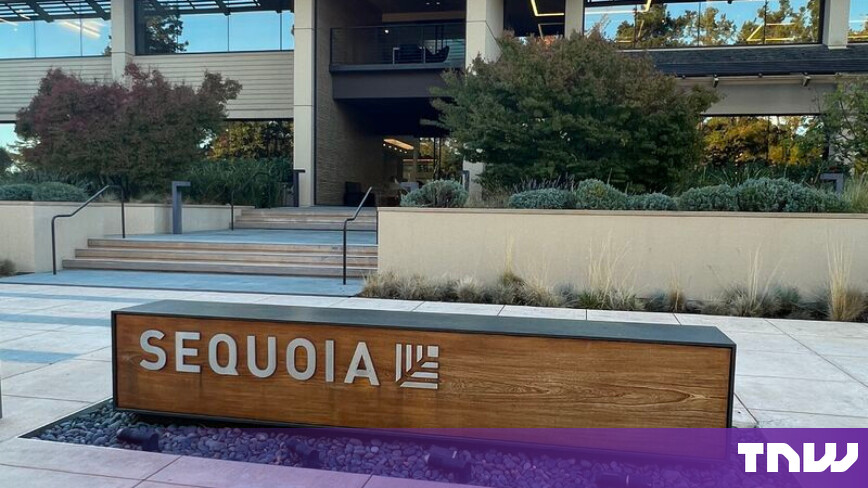
Sequoia Capital, is making the largest bet in its history, and it is not only about software. The venture firm is committing $10bn to a strategy built around artificial intelligence and what it calls reindustrialization.
The figure is a statement in itself. At $10bn, it is the biggest investment Sequoia has made in its 54-year life, a marker of conviction from one of the most influential names in venture capital.
The strategy pairs two ideas. One half is the familiar race to back the winners of AI; the other is a bet on rebuilding the physical economy that the technology will run on.
Reindustrialization is the operative word. In practice it points to manufacturing, defence, robotics, energy and the reshoring of supply chains, the hard infrastructure that a software-obsessed industry has long neglected.
The thinking is that AI needs a body. Models are only as useful as the factories, power plants and machines they can act on, and Sequoia is betting the next fortunes are made where bits meet atoms.
New leaders are driving the shift. Alfred Lin and Pat Grady are steering the repositioning, part of a generational handover at a firm that has been deliberately remaking itself for a new era.
The plan builds on recent groundwork. Sequoia raised a $7bn expansion fund earlier this year under its new leadership, and the $10bn commitment extends that ambition further.
Its AI allegiances have been shifting too. Sequoia recently increased its stake in Anthropic, a notable move for a firm that had previously leaned toward OpenAI and xAI.
The reindustrialization thesis is already visible in the market. Startups are chasing exactly these themes, from ventures building robots for the Pentagon to companies rethinking domestic defence manufacturing.
Critical materials are part of the picture. The AI build-out runs on metal, and firms like Mariana Minerals are raising large sums to mine it autonomously on US soil, precisely the kind of physical bet Sequoia is describing.
The politics of the moment help. Reshoring, defence and energy independence are priorities in Washington, and a fund aligned with them can expect a friendlier reception than one chasing consumer apps.
The Anthropic move is worth dwelling on. Deepening a bet on the AI lab after favouring its rivals suggests Sequoia is hedging across the model makers, unwilling to stake everything on a single winner in a fast-moving race.
Sequoia is not alone in the pivot. Rival firms have been raising their own large vehicles aimed at AI and defence, a sign that the industry’s biggest names increasingly agree on where the next returns will come from.
The thesis doubles as a hedge against the AI-bubble worry. If pure software valuations look stretched, backing the factories, chips and power the technology depends on offers exposure to the boom with a more tangible floor.
There are risks in going long on atoms, though. Hardware and heavy industry are capital-intensive and slow, a very different rhythm from the software returns that made Sequoia’s name.
Still, the size of the bet sets a marker. When the most storied firm in venture puts a record sum behind rebuilding industry alongside AI, it signals where the smart money thinks the next decade is heading.
Get the TNW newsletter
Get the most important tech news in your inbox each week.
