

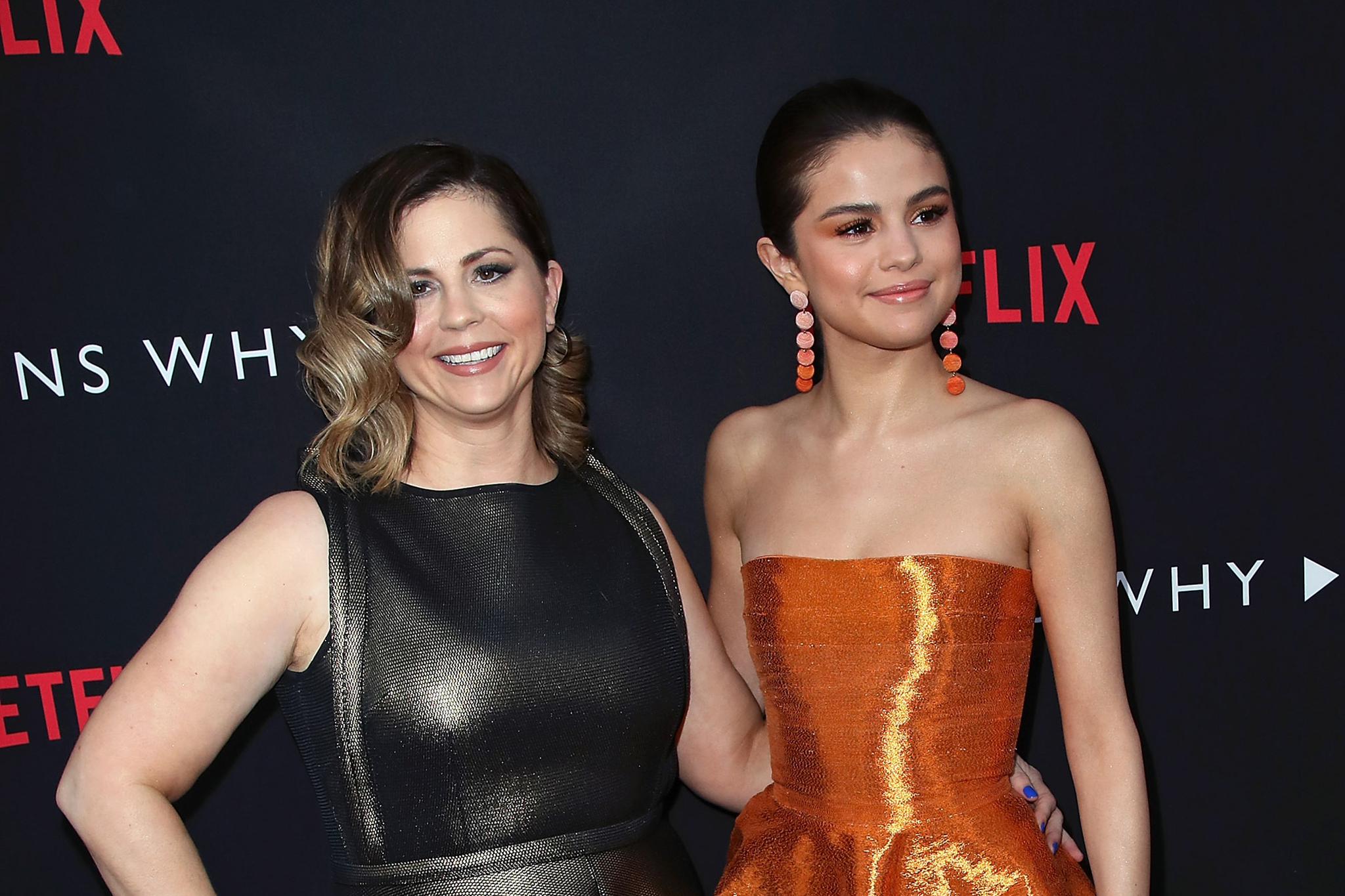
A 2025 controversy surrounding Selena Gomez’s embattled mental health startup is resurfacing after investors sued the actress and pop star for alleged fraud on Wednesday.
Filed in federal court in Delaware, investors are suing Gomez over her failed mental health startup Wondermind, which she launched with her mother, Mandy Teefey, and Daniella Pierson. The plaintiffs, a group of five investors, allege that the trio defrauded them out of almost $1.2 million after misleading them about the strength of the company and the extent of Gomez’s involvement in the business.
Article continues below this ad
The lawsuit follows a scathing article about Wondermind and its founders that the Cut published last September, which chronicles the company’s silent, yearslong spiral due to alleged misconduct by its founders. Los Angeles-based Wondermind did not respond to a request for comment.
“There was no legitimate enterprise in the works, much less a lucrative one,” the lawsuit said. The plaintiffs include Brent Saunders, a longtime healthcare CEO who was also a former board member of Cisco and an independent director with BridgeBio Pharma, both Bay Area-based companies.
In 2021, Gomez launched the app Wondermind, a platform for mental health content. The platform has backing from Serena Williams’ venture capital fund Serena Ventures, which is based in San Francisco. According to Wondermind’s LinkedIn, the company had a $100 million prelaunch valuation.
Wondermind publishes wellness podcasts and tips for managing anxiety, and it even boasts an advisory board of licensed mental health providers. Gomez, who’s long been open about her personal struggles with mental health, is listed as a co-founder and “Chief Impact Officer.” However, the company’s day-to-day operations fell under the management of Teefey after Pierson’s departure, according to the lawsuit and the Cut.
The lawsuit alleges that Gomez’s involvement was limited to her name on the masthead and accuses Teefey and Pierson of misleading investors about how involved Gomez would be, since her global fanbase would be key to building the business. A prelaunch investment scheme presented to potential investors in 2022 touted Gomez’s “400 million followers” and Pierson’s prior purported success in a media startup as key to an estimated valuation of more than $4 billion.
In December 2022, Pierson wrote in an email to potential investors that the company had achieved $1.7 million in revenue in five months “without a proper sales team.” Plaintiffs allege in the lawsuit that these representations pushed them to invest nearly $1.2 million.
But the lawsuit alleges that Gomez distanced herself from the business due to “several undisclosed personal disputes” with her mother, and Wondermind’s alleged turmoil would eventually be revealed in a the Cut magazine piece with the headline: “What Happened at Wondermind? Selena Gomez and her mother, Mandy Teefey, flipped their mental-health journeys into a buzzy start-up. It all fell apart.”
Investors said it was the first time they became aware of the extent of the company’s alleged struggles.
Allegations largely surrounded personal disputes among the founders, Pierson’s early ouster and Teefey’s alleged mismanagement, which the Cut revealed was in part due to an alleged substance abuse disorder. The investors also allege that Pierson had misappropriated the plaintiff’s funds for “her lavish lifestyle,” including rent on a $60,000-per month New York City apartment, and that over three years, the company took active steps in concealing the extent of the alleged disarray.

Access our new app with ad-free reading, curated maps and more.
GET IT NOW
Following the Cut article, investors tried to reclaim their money but allege they had difficulty communicating with Teefey. At one point, Teefey allegedly said an escrow account existed to pay back investors, but plaintiffs argue that this was a lie to delay them from suing the company.
The plaintiffs now allege that the company was a sham from the start.
“The partnerships did not exist. The initiatives never materialized. The app was never built,” the lawsuit said. “And for three years, while the Company quietly collapsed around them, not one of its founders, officers, or directors said a word to the investors whose money was funding the collapse.”
— Body found near site of Calif. nurse’s disappearance likely not her
— Boys ages 12, 13 and 16 charged in California killing
— Laid off after 24 years, Bay Area radio host writes scathing farewell
— Elite private SF club hit with explosive harassment lawsuit
