

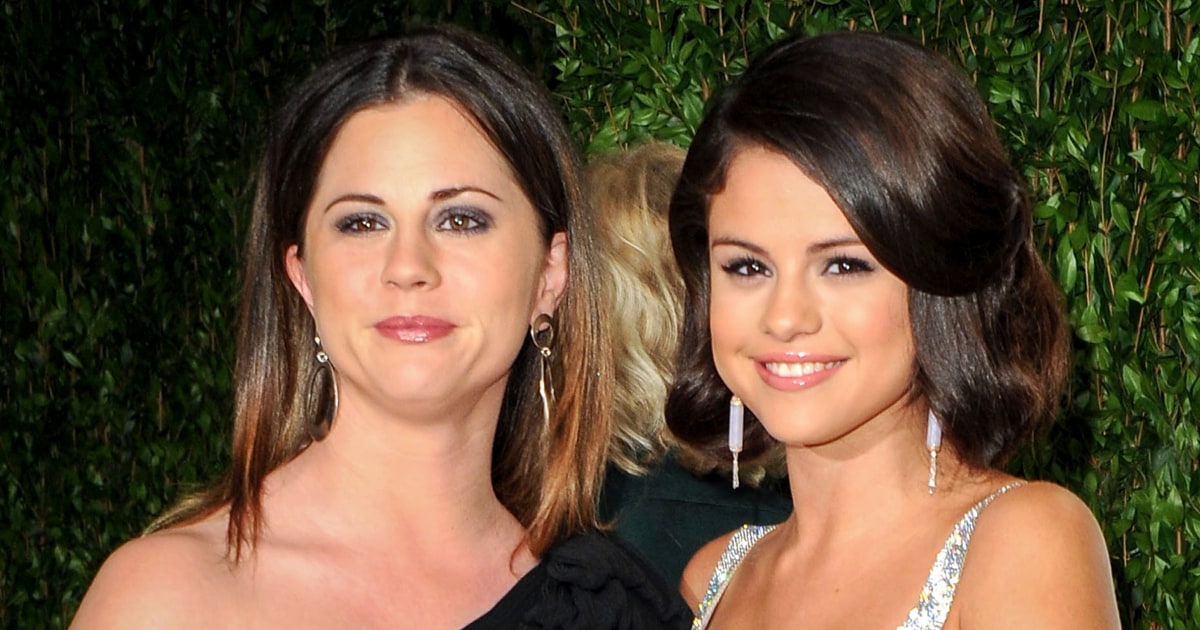
Superstar Selena Gomez and her mother are accused of defrauding investors of their mental health startup, Wondermind, in a federal lawsuit filed Thursday.
Wondermind, which was co-founded by Gomez; her mother, Mandy Teefey; and Daniella Pierson in November 2021, touts mental fitness practices and tools.
The suit accuses Wondermind and its founders of falsely representing the company’s infrastructure, leadership and partnerships to investors and concealing the alleged fraud for more than three years.
The founders told investors they would build a Wondermind app, boasted advertising deals and secured celebrity cover stories, none of which came to fruition, the complaint says.
Investors poured nearly $1.2 million into Wondermind, but the trio falsely represented the company’s plans to make it profitable, the suit says.
It alleges that investors were kept in the dark until two bombshell media reports portrayed Wondermind as a company in utter disarray.
The suit was filed in federal court in Delaware by Wondermind SRS 44 LLC and Bespoke Wondermind SPV I LLC, limited liability companies that invested in the startup.
They accuse the company and the founding trio of securities fraud, common law fraud and breach of contract and are seeking rescission — meaning a legal cancellation of a contract — of their investment, as well as damages.
Representatives for Wondermind, Gomez, Teefey and Pierson did not immediately respond to requests for comment Thursday.
No products, no updates — and no Selena
Investors say in the suit that they believed the money they gave Wondermind would rapidly scale and build a full suite of company products, including an app, a podcast, an editorial publication and other wellness products.
They also believed that the company’s value lay in Gomez’s involvement as a celebrity with a massive, loyal fan base. The suit alleges that Wondermind had indicated that Gomez would be “intimately involved in the Company” as head of marketing and involved in publicity.
But none of those things happened, the suit says.
“Gomez purported to sign a contract obligating her to perform and then ignored it. The partnerships did not exist. The initiatives never materialized. The app was never built,” it says. “And for three years, while the Company quietly collapsed around them, not one of its founders, officers, or directors said a word to the investors whose money was funding the collapse.”
The investors also allege in the suit that the defendants did not provide timely updates about the status of their investments and the company’s operations unless they were pressed.
In the limited updates they did provide, “they both affirmatively misrepresented the status of the Company’s operations and concealed material information about ongoing issues at the Company,” the complaint says.
Media articles allege a company in disarray
Investors were kept in the dark, the suit alleges, for more than three years.
Then came an August 2025 Forbes article focused on Pierson with the headline “‘Smoke And Mirrors’: How This Entrepreneur Exaggerated And Self-Promoted Her Way Into Turmoil.”
Pierson was described to investors as a millionaire executive whose past business, the daily newsletter The Newsette, of which she was CEO, generated $40 million a year, the suit says. Investors were also told she had secured partnerships with JPMorgan and Fidelity.
But the Forbes report cast scrutiny and said Pierson exaggerated her readership and the valuation of her newsletter.
The suit says that investors contacted Teefey for an explanation after the article published and that she responded that Pierson had allegedly “misappropriated investor funds — including the Plaintiffs’ funds — to fund her lavish lifestyle,” including her $60,000 monthly rent for her New York City apartment and monthly expenses, before she was ousted from the company in January 2023.
Yet Teefey had never informed investors about the alleged misappropriated funds before the article was published, the suit says.
An article in The Cut published Sept. 3 titled “What Happened at Wondermind?” based on interviews with current and former employees, alleged the company was falling apart.
“The accounts in the Cut article collectively show that, from the outset, Wondermind had no plan for its future — much less a plan for achieving a multi-billion dollar valuation,” the suit says.
That article alleged that Teefey had a long-running substance abuse problem that impeded her capacity to helm the company, that Gomez sought to distance herself from Wondermind “based on a long-running family dispute” with Teefey and that Pierson had been ousted from the company based on a dispute with Teefey, the suit says.
The article, the suit claims, proved that the company was “in a state of financial calamity” and that “there was no legitimate enterprise in the works.”
Two months later, in November, investors sent the defendants a notice of rescission, demanding the return of their funds, they say in their suit. The defendants did not respond “in substance” to the notice, the suit says, but “continued to lull and mislead the plaintiffs.”
After the notice of rescission was sent, Teefey allegedly contacted Bespoke’s representatives suggesting that investors should not file a suit claiming the company had an escrow account to return the investments, this week’s lawsuit says. When Andrew Resnick, part of Bespoke, followed up for details of the account and the return of funds, “Teefey disappeared,” the suit says.
“In short, there was no ‘escrow account’ or a plan to return the Plaintiffs’ investments,” the complaint says.
Misleading updates
The suit details several allegations of investors’ being given updates that ended up being misleading or false.
In June 2022, it says, Pierson told the plaintiffs that Wondermind had grown to more than 150,000 subscribers in one month, that she had met with executives at other companies regarding “large advertising deals” and that she anticipated closing “at least $5M in ad revenue this year.” She also said the company had “interest or confirmation for ‘Cover Story’ features from major celebrities including Camila Cabello, Tim Cook, Elton John, Drake, Megan Thee Stallion and more,” the complaint says.
She said the company was starting to build its “online editorial experience” and an ambassador/referral program, the complaint says. She is alleged to have touted that the company had a potential future value of more than $4 billion.
That led the investors to believe the company had the foundation to operationalize, the suit says.
The suit says that from 2022 to 2025, the plaintiffs “proactively” contacted Teefey and Pierson for updates.
“When the Defendants would provide updates — either by email or on a phone call — they concealed the significant operational and financial issues at the Company. Indeed, the Defendants affirmatively misrepresented that the Company was performing well,” the suit says.
Overall, the suit accuses Wondermind and all defendants of securities fraud, alleging they misrepresented the company’s finances, Gomez’s involvement, Pierson’s business background and Teefey’s fitness (as she had never held a similar startup CEO role). They are further accused of common law fraud and equitable fraud.
Pierson in addition is accused in the suit of securities fraud for what it alleges were misstatements to investors, conversion for wrongfully using investment funds and unjust enrichment.
Wondermind is also accused in the suit of breach of contract-use of investor proceeds, rescission-failures to satisfy conditions precedent, and breach of contract-breach of express representations and warranties.
