

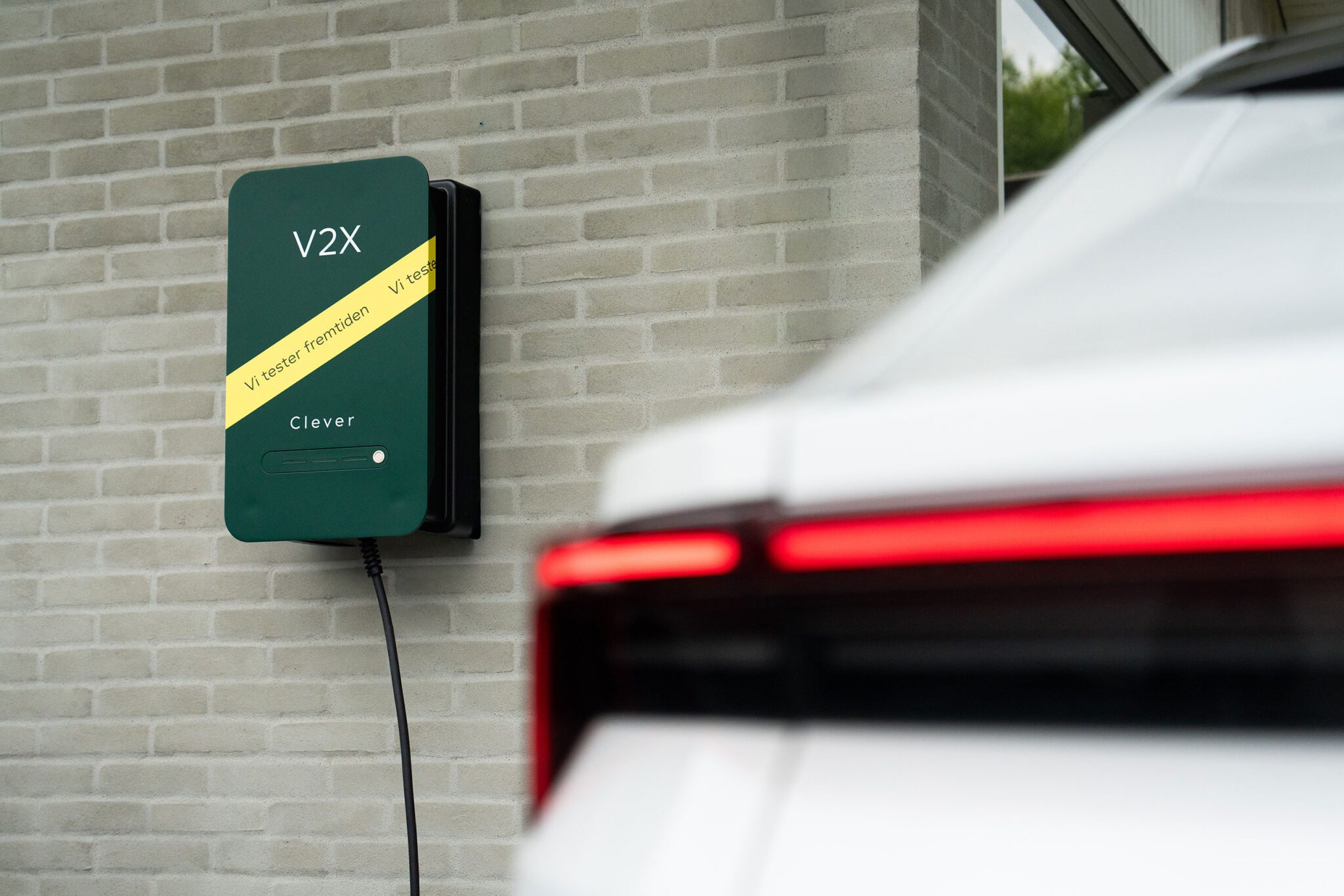
Polestar and Clever are running the first complete V2X pilot in Denmark, with Polestar 4 acting as a home and grid power source
Polestar and Danish charging operator Clever have launched a pilot project testing bi-directional vehicle-to-everything (V2X) capability on Polestar 4, enabling the electric vehicle to discharge to a home, feed power back to the grid, and act as backup power during outages. The technical trial, which runs until autumn 2026, is the first complete V2X deployment in Denmark.
The pilot covers three use cases: vehicle-to-home, supplying domestic power during peak demand; vehicle-to-grid, feeding the wider network when needed; and islanding, providing backup power during grid outages. Clever said its existing intelligent charging platform, which schedules charging to the cheapest hours, will be extended to manage discharge to the home or grid.
Christina Fink, Chief Executive of Clever, said: “In 2027, the ambition is for Clever to launch the first commercial V2X solutions.” A fully charged Polestar 4 could power an average Danish home for several days when operating in islanding mode, the companies said.
Polestar said the pilot relies on its software-defined vehicle architecture and over-the-air updates as the enablement path for V2X capability. The company noted that Polestar 4 does not yet support bi-directional charging in production, with commercial details to follow.
Polestar said the pilot is intended to cut energy costs for drivers, stabilise the grid and support greater use of renewable energy. The companies described the trial as a step toward commercial V2X services.
- For those who believe in a V2X future, the 2027 commercial target sharpens the timeline. Most OEM V2X work to date has stayed in demonstration mode. Clever’s stated ambition to launch commercial services next year puts an external date on V2X monetisation in a major European market, giving Tier 1 charging hardware suppliers, energy retailers and grid regulators a concrete near-term planning horizon.
- Software-defined enablement is the test case. Polestar’s plan to activate V2X on Polestar 4 via over-the-air updates, if realised, would let OEMs decouple V2X commercial launch from new vehicle hardware cycles. The Polestar 4 pilot is the most concrete European trial of this enablement model to date, and its outcomes will shape how rival OEMs approach V2X feature rollout on existing fleets.
- Denmark sets up as an early V2X reference market. A successful pilot would establish Denmark, with its high renewable share and active demand-response market, as a template for V2X commercialisation across Europe. For grid operators, energy retailers and bi-directional charger suppliers, the trial should surface practical answers on metering, tariff design and grid-code compliance that have constrained V2X rollouts elsewhere.
