


Health Technology: Relaunch of VA EHR
Law Enforcement Technology
Read Now
Insights & Reports
By
,
Cybersecurity Reporter, Nextgov/FCW
The Pentagon is investigating a suspected cyberattack behind freezer malfunctions that spoiled food at military bases across the United States in August, according to a U.S. official familiar with the matter.
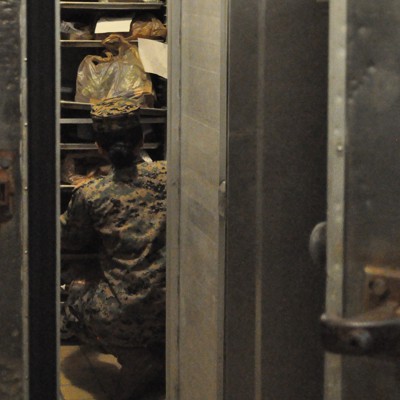
The outages affected some six commissaries — the on-base grocery stores serving military personnel — per the official, who spoke on the condition of anonymity to discuss the situation. At Fort Huachuca in Arizona, officials reported that a freezer had entered defrost mode and heated its contents, leaving food spoiled.
Reuters first reported Thursday that investigators were treating the incidents as a possible hack. It’s unclear who might be responsible or whether investigators have conclusively determined what caused the failures.
Cyber Command and various Defense Department law enforcement units are probing the incident. French authorities are also working with officials examining the matter. Earlier this month, hackers overrode temperature controls on commercial refrigeration equipment at more than 350 French establishments, forcing supermarkets to discard spoiled food.
The investigation draws attention to the computers that control everyday equipment used to store and handle food, an often overlooked area of cybersecurity where a hack can spoil supplies or interrupt distribution of goods.
The unusual U.S. outages and the possibility of hacking were initially flagged in August by theSignal and Silence blog. Stars and Stripes subsequently reported the involvement of military investigators, and The Telegraph also reported officials’ contact with French authorities.
A 2021 DHSassessment of threats to food and agriculture specifically identified refrigeration failures and shipping delays as cybersecurity risks that could cause spoilage and shortages.
The Food and Agriculture Information Sharing and Analysis Center, an industry group that shares cyber threat intelligence on the nation’s food supply, has warned that attackers are targetinginternet-accessible industrial controls that may not have optimal cyberdefenses in place.
The agri-food sector’s sensitivity to downtime often gives ransomware groups leverage to demand payment, the organizationsaid in a separate report.
Lawmakers have sought to improve federal protections. A bipartisan groupreintroduced the Farm and Food Cybersecurity Act in 2025, following anearlier proposal introduced in 2024.
NEXT STORY:DHS leak exposes contact information on intelligence personnel
