

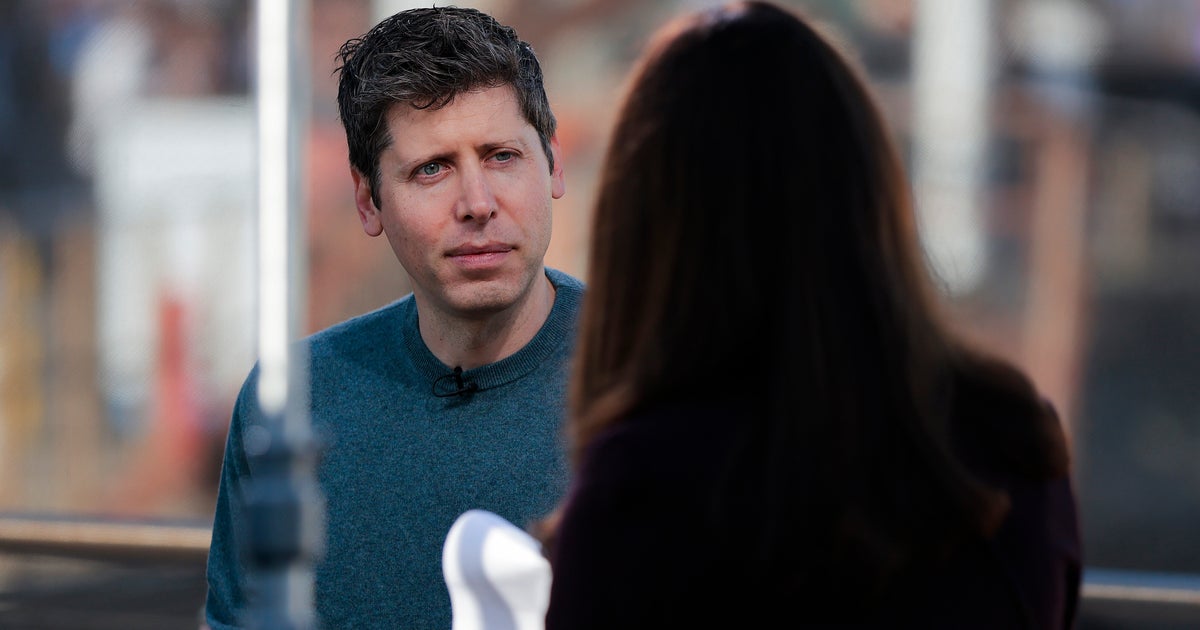
An interview with Sam Altman hit a snag after OpenAI’s publicist tried to steer him away from answering a question about ChatGPT helping a user draft her suicide note.
During a Vanity Fair interview with Altman published Monday, Mark Guiducci began to ask the tech CEO about journalist Laura Reiley’s 29-year-old daughter who died by suicide after using ChatGPT as her therapist. The publicist for OpenAI, which is the company behind ChatGPT, stopped Guiducci to let him know that Altman had to walk out the door in two minutes and they should instead talk about the future of the company. Altman said he could be late and that he would answer Guiducci’s question, which was if chat logs could be used as “real-time road maps” to see how people come to the decision to die by suicide.
“First of all, these are some of the hardest questions that we face or anybody developing this technology faces,” Altman said. “We try to rely on expert opinion as much as we can, but experts also aren’t sure what to do. This is just new, and the fact that someone in a moment of need that maybe can’t get the help or isn’t willing to talk to a therapist can get some help here — clearly people think there’s a version of this that is good. There are also clearly versions of it that are bad.”
He continued, saying he isn’t sure if OpenAI should release people’s private data “in some of their hardest moments” to researchers, but he wants to find ways for OpenAI’s products to help with the mental health crisis.
Last year, Reiley wrote an essay for The New York Times about how her daughter Sophie Rottenberg used ChatGPT as her therapist, even giving the chatbot the name Harry. Rottenberg had told the chatbot she planned to kill herself after Thanksgiving, but she didn’t want to hurt her family. The chatbot urged her to seek help, but Reiley wondered if AI companies should have to report users who express suicidal ideation to them.
“If Harry had been a flesh-and-blood therapist rather than a chatbot, he might have encouraged inpatient treatment or had Sophie involuntarily committed until she was in a safe place,” Reiley wrote. “We can’t know if that would have saved her. Perhaps fearing those possibilities, Sophie held her darkest thoughts back from her actual therapist. Talking to a robot — always available, never judgy — had fewer consequences.”
Reiley revealed at the end of her essay that Rottenberg’s suicide note “didn’t sound like her” because she used ChatGPT to assist with it.
“In that, Harry failed. This failure wasn’t the fault of his programmers, of course. The best-written letter in the history of the English language couldn’t do that.”
There have been several instances of people dying by suicide after ChatGPT allegedly confirmed their suicidal ideation. A 2025 Stanford study found that chatbots don’t know how to respond to people’s mental health crises, often offering “dangerous or inappropriate” responses instead. The family of one teen who died by suicide after talking to ChatGPT sued OpenAI for not stopping the conversation.
If you or someone you know needs help, call or text 988 or chat 988lifeline.org for mental health support. Additionally, you can find local mental health and crisis resources at dontcallthepolice.com. Outside of the U.S., please visit the International Association for Suicide Prevention.
