

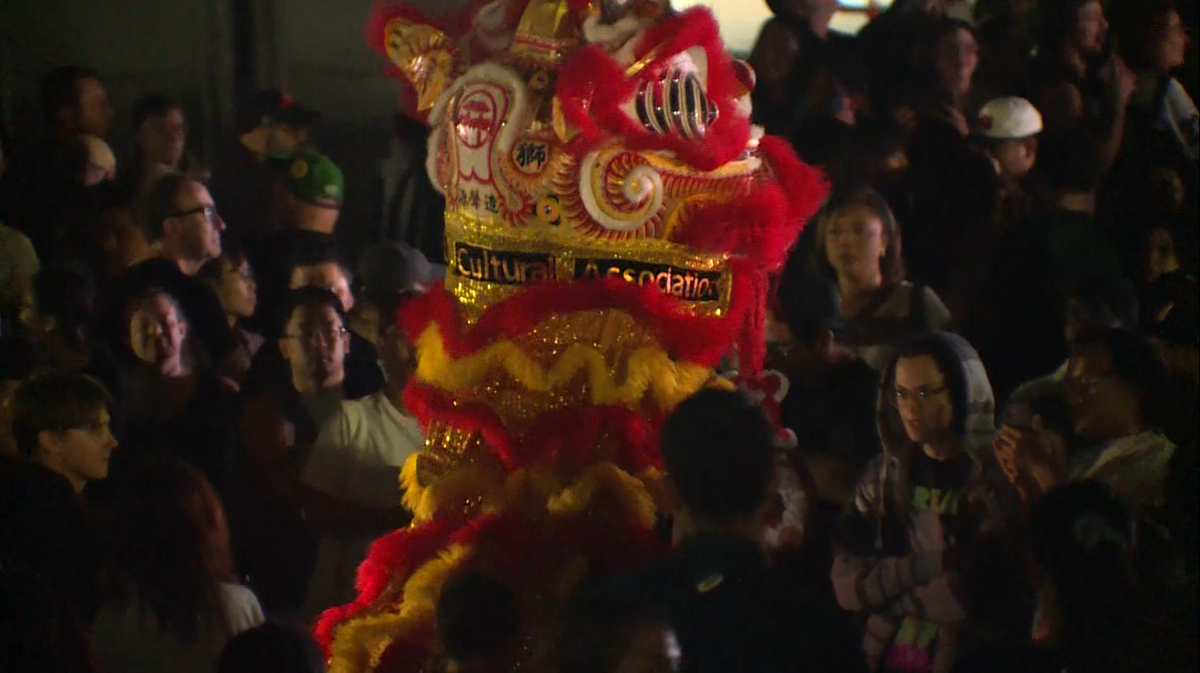
Oklahoma City’s Asian District Night Market Festival: A Celebration of Culture and Community
Introduction
Oklahoma City’s Asian District has become a vibrant hub of cultural exchange, drawing residents and visitors alike to its bustling streets and diverse culinary scene. One of the most anticipated events of the year is the annual Night Market Festival, a two‑night celebration that showcases the heritage, food, music, and art of the city’s Asian communities. Held this year just one month after a fire razed the “We Have Arrived” memorial, the festival emerged as a powerful statement of resilience and unity. In a city where the Asian population continues to grow, the Night Market serves not only as entertainment but also as a vital platform for preserving traditions and fostering community ties. This article explores the festival’s history, the impact of the recent tragedy, and the ongoing efforts to rebuild what was lost.
The Night Market Festival Explained
A Celebration of Culture and Commerce
The Night Market Festival began eight years ago as a modest gathering of local vendors, performers, and food stalls. Since then, it has grown into a city‑wide attraction recognized by USA Today as one of the top festivals in the nation. The event takes place on a weekend evening, transforming the streets of the Asian District into a lantern‑lit promenade filled with stalls offering everything from traditional Vietnamese bánh mì to Korean street tacos. Live performances feature everything from bamboo flute ensembles to contemporary K‑pop dance crews, creating a dynamic mix of old and new.
Key Elements
– Food: Over 50 vendors serve authentic dishes, allowing attendees to sample a wide range of flavors.
– Art and Craft: Local artists display handmade jewelry, textiles, and calligraphy.
– Performances: Dance troupes, martial arts demonstrations, and music acts keep the energy high.
– Community Booths: Non‑profits and cultural organizations set up tables to share resources and information.
The festival’s success rests on its ability to blend commerce with cultural expression, giving both businesses and community members a shared space to thrive.
A Recent Tragedy: The Fire at “We Have Arrived” Memorial
What Happened
On a quiet Sunday morning, flames engulfed the “We Have Arrived” memorial located in the heart of the Asian District. The memorial, a touching tribute to Vietnamese refugees and the broader Asian community’s journey to Oklahoma City, was completely destroyed. While the cause of the fire remains under investigation, many community members fear it may have been set deliberately, raising concerns about hate‑motivated attacks.
Emotional Impact
Steve Le, executive director of the Asian District Cultural Association, described the loss as “a deep wound for our community.” The memorial represented more than just a sculpture; it symbolized hope, perseverance, and the collective memory of generations who fled war‑torn homelands. Its destruction left many feeling targeted and vulnerable, especially in a time when Asian‑American institutions across the country are confronting rising incidents of discrimination.
Rebuilding Efforts
In the wake of the tragedy, Le announced a fundraiser aimed at reconstructing the memorial. He emphasized that the community’s response to the Night Market Festival demonstrated a strong desire to heal. “It’s amazing to rally like this and see the people that want to come out and enjoy culture,” he said, highlighting the power of collective action.
Community Unity and the Festival’s Role
Turning Grief into Celebration
The timing of the Night Market Festival—held just a month after the fire—was no coincidence. The event offered a space for residents to process grief, celebrate cultural identity, and reaffirm solidarity. By gathering under bright lanterns, sharing meals, and enjoying live entertainment, attendees transformed a night of mourning into a night of empowerment.
A Platform for Healing
Le noted that the festival’s turnout was “deeply meaningful” and that families used the occasion to bring friends and relatives together. For many, the event was the first opportunity to experience Asian traditions firsthand, fostering cross‑cultural understanding among Oklahoma City’s diverse population.
Economic Boost
Beyond emotional benefits, the festival provided a economic lift to local businesses. Vendors reported record sales, and the increased foot traffic helped revitalize storefronts that had been struggling after the pandemic. This economic resurgence underscores the festival’s role as both a cultural and financial engine for the district.
Voices from the Crowd: Attendee Reactions
Personal Stories
– Danny Hernandez said, “I love the vibe; this is really cool. Seeing all the different cultures come together and everybody get to experience that.” His enthusiasm reflects the festival’s ability to attract a broad audience beyond the Asian community.
– Rikaella Vergara added, “I really like the performances happening right now.” The variety of acts showcased the district’s artistic richness.
– Levi Jane Ranada praised the live music, noting how the blend of traditional instruments with modern beats created an inclusive atmosphere.
These testimonials illustrate how the Night Market serves as a bridge, connecting generations and cultural backgrounds through shared experiences.
Rebuilding the Memorial: Call for Support
Why the Memorial Matters
The “We Have Arrived” memorial was more than a physical structure; it was a symbolic anchor for the Asian community in Oklahoma City. Its loss underscores the fragility of cultural landmarks when faced with acts of vandalism or neglect.
Fundraising Initiatives
Le and the Asian District Cultural Association have launched a crowdfunding campaign, urging residents and supporters nationwide to contribute. Donations will fund a new memorial design that honors the journey of refugees while incorporating modern artistic elements.
How to Help
– Online Contributions: Visit the official Asian District Cultural Association website to donate.
– In‑Kind Support: Local businesses can sponsor specific elements of the new memorial, such as lighting or landscaping.
– Volunteer Work: Community members are invited to assist with the construction and unveiling ceremony.
Le reiterated that every contribution, big or small, brings the community one step closer to restoring a cherished landmark.
Looking Ahead: The Future of the Asian District
Sustaining Cultural Momentum
The success of this year’s Night Market suggests a bright future for the Asian District. By continuing to host annual festivals, the district can maintain visibility, attract tourism, and nurture cultural education in schools.
Potential Partnerships
Collaborations with local universities, art museums, and state cultural agencies could expand programming, offering workshops on traditional crafts, language classes, and heritage storytelling. Such partnerships would deepen the district’s role as an educational hub.
Long‑Term Vision
City officials have expressed interest in designating the Asian District as a cultural corridor, potentially unlocking funding for infrastructure improvements, permanent art installations, and permanent community spaces. This recognition would cement the district’s status as an integral part of Oklahoma City’s cultural tapestry.
Conclusion
The annual Night Market Festival, blossoming just a month after the devastating fire at the “We Have Arrived” memorial, exemplifies the power of community in the face of adversity. By uniting residents through food, music, art, and shared stories, the festival not only celebrates the rich heritage of Oklahoma City’s Asian communities but also fuels resilience and hope. As the community rallies to rebuild the destroyed memorial, the festival stands as a testament to the enduring spirit of cultural pride and collective action. Oklahoma City is about the vibrant intersections of cultures, and this night market is a shining example of that truth.
