

Despite rising memory costs worldwide, Nintendo president Shuntaro Furukawa stresses that the company is in a position to secure sufficient quantities for its Switch hardware. Said during a quarterly financial reportcaptured by Reuters, Furukawa says there has been no major change to the memory situation from Nintendo’s point of view, indicating that while the memory crisis is not getting better, it is at least not getting worse for the company.
The worldwide rise in memory component prices has drivenprice increasesandlaunch uncertaintyacross the industry, largely impelled by those components going to data centers. With Furukawa’s confidence that the company has a handle on supply for the time being, the Switch 2 price is seemingly not in immediate danger of another price increase, thoughNintendo has warned not to rule it out in the past. The Switch 2 received a price increase in the United States in September, bumping the per-unit pricetag up from $450 to $500, an increase driven by the price of components like RAM going up.
This year‘s price hike may be to blame for a slowdown in Switch 2 hardware sales with a 32.7 percent drop from the previous quarter, though the Switch 2 still remains a higher seller than its Switch predecessor when launch-aligned.A Bloomberg reportquotes analyst that place the blame for the console unit slump on a lack of major blockbuster titles for Switch 2, as little on the console beyond Nintendo’s ownMario Kart Worldhas crossed the six-million sold barrier—though, due to the wayPokemon Pokopiais split between publishers depending on region, it has likely crossed that threshold in a way Nintendo does not report.
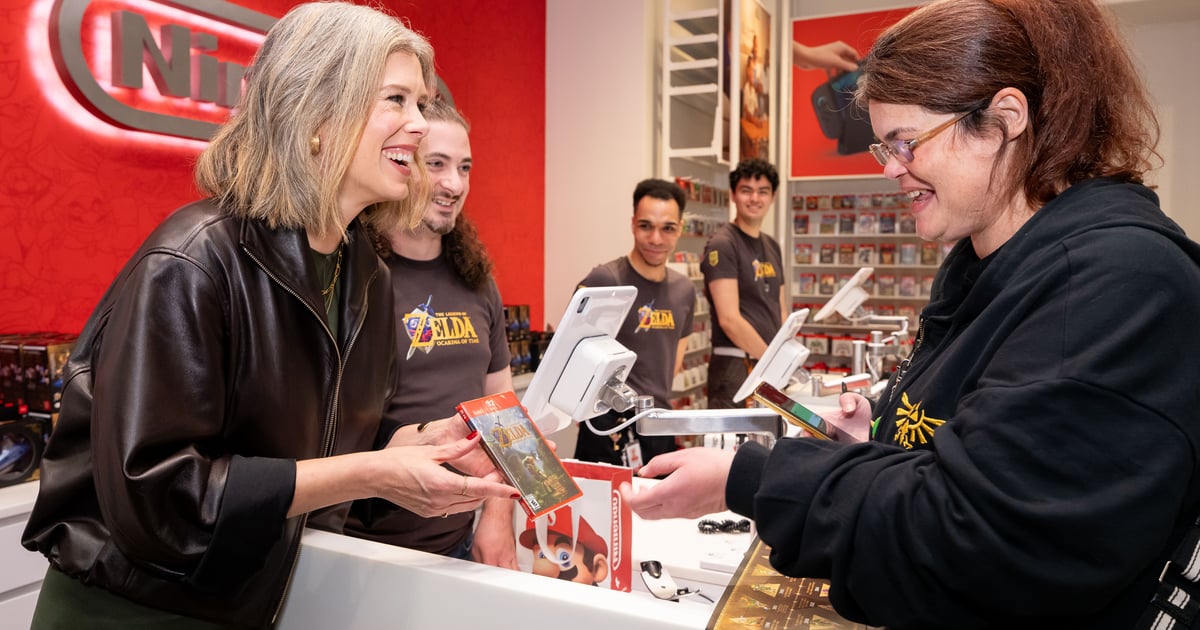
Software sales, meanwhile, did increase significantly overall, with a healthy boost year-over-year for both Switch 2 and Switch 1—the latter benefiting greatly from titles likeTomodachi LifeandRhythm Heaven Groove. It is also worth noting that the quarterly results were reported the day thatThe Legend of Zelda: Ocarina of Timewas released on the Switch 2 as the company’s most notable holiday title. So while the title’s debut aligns with this financial report’s release, any actual monetary impact fromOcarina’s launch won’t be visible until the Q3 report in January.
The Switch 2 itself sold 2.67 million units in the last quarter, while the Switch 1 sold 610k, a number certain to decline next yearas Nintendo plans to stop selling the 2017 console in Europein February. Despite the price increase and slower sales this past quarter, Switch 2 forecasts remain unchanged, with the company planning for 16 million units overall in the financial year. At the moment, the Switch 2 retains its current superlative of being the fastest-selling console of all time.
On a milestone note,Mario Kart 8 Deluxe—the Switch version of the 2014 Wii U title—has reached 72 million copies sold, marking it as one of the company’s most successful titles in their decades-long history.
Top StoriesNintendoNintendo Switch 2Financial Reporting
