

Stories of Technology, Innovation, & Entrepreneurship in the Southeast

Metro Council approves ambitious Vanderbilt Innovation Neighborhood development plans
The plan calls for the development of 40 acres on the west side of Vanderbilt’s campus to be reinvented as an “innovation neighborhood.”
It’s been about two years since Vanderbilt University’s Innovation Neighborhood concept came to the table. Two years of conversation, collaboration, and innovative thinking finally paid off – the Metro Council approved the Innovation Neighborhood development plan on September 1.
Teknovation’s founder and former editor, Tom Ballard, first reported on the Specific Plan (“SP”) in November 2025.
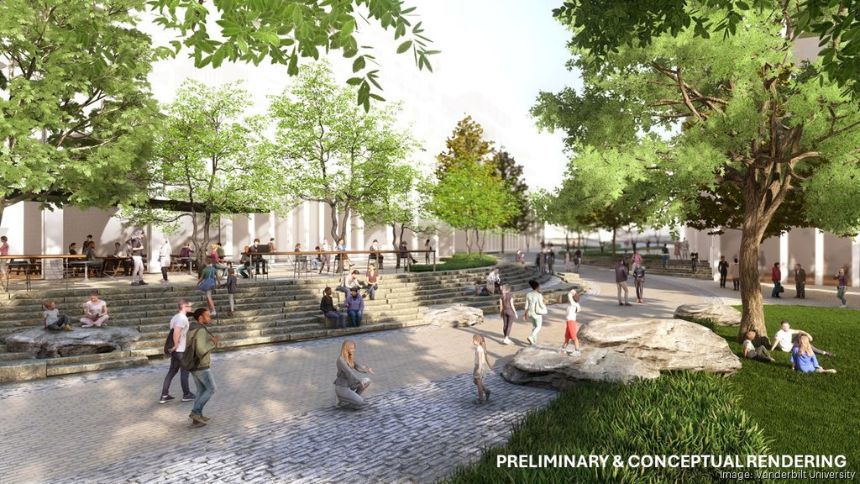
The Innovation Neighborhood will be nestled within the Hillsboro West End community. City and university leaders said the plan was designed to complement the surrounding area and add needed housing, greenspace, and amenities for everyone. The goal is to connect the campus to the city.
According to the SP, office and lab space will be next to retail, restaurants, and new housing, all stitched together with green space. Height and density will be rebalanced to prioritize public space and walkability by shifting taller buildings away from residential edges and toward the West End corridor. Planned mobility upgrades include an enhanced street network that helps pedestrians, bicyclists, and cars move more safely and efficiently, dedicated walking and biking paths, safer crossings, and capacity for future traffic.
The neighborhood is phase one in a much larger vision by the University to grow the school’s brand as an innovative campus, while also supporting entrepreneurship efforts across the city, state and region.
According to the University, the Specific Plan approved by Council codifies several community benefits, including:
- Moving the tallest buildings toward West End and away from residential addresses
- Implementing building height limits and restricting what can be built in specific zones across the entire site
- Increasing greenspace throughout the area by approximately 300 percent along with miles of new sidewalks and bike lanes
- Increasing the tree canopy of the site by about 175 percent
- Planning for adjustments as the neighborhood develops with a Vanderbilt-funded traffic analysis every five years, in addition to a Vanderbilt commitment for a $750,000 Neighborhood Traffic Calming Fund
- Creating an Innovation Neighborhood Impact Committee to make sure neighbors stay part of the conversation throughout construction
Other partners included in the project design include: the Nashville Innovation Alliance, the Chamber of Commerce, the NashvilleEntrepreneur Center (EC), Launch Tennessee, the Greater Nashville Tech Council, and more.
Like what you’ve read?
Forward to a friend!
