

Add preferred source
India has amended its Consumer Protection (E-Commerce) Rules, with the new provisions taking effect January 1, 2027. The changes prohibit search result manipulation, require clear disclosure of sponsored listings, and mandate that advertised price reductions display both the discounted price and the lowest price from the preceding 30 days. Compliance with the 2023 dark patterns guidelines becomes mandatory, including annual self-audits and prominent display of compliance certificates. All e-commerce entities must integrate with the National Consumer Helpline, which recorded 511,196 e-commerce complaints in 2025 — roughly 29% of total grievances. Marketplaces must also disclose product details such as best-before dates, importer information and country of origin for imported goods, and cannot charge bundled fees for unrelated services or use consumer data without explicit consent.
Key Elements

India is overhauling its consumer protection framework for digital marketplaces, introducing binding requirements that will force e-commerce platforms to audit their user interfaces for deceptive design, disclose how they rank products, and justify advertised discounts.
The Department of Consumer Affairs has notified the Consumer Protection (E-Commerce) (Amendment) Rules, 2026, which take effect January 1, 2027. The changes significantly expand the original 2020 rules, moving beyond basic seller registration and grievance timelines into the mechanics of how platforms influence purchasing decisions.
At the center of the reform is a crackdown on search manipulation and sponsored content. Platforms will be barred from altering search results in ways that mislead users or diminish the relevance of results to their queries. Any listing that has been paid for must carry a clear and prominent disclosure, making it easier for shoppers to distinguish advertising from organic results.
Pricing transparency becomes enforceable
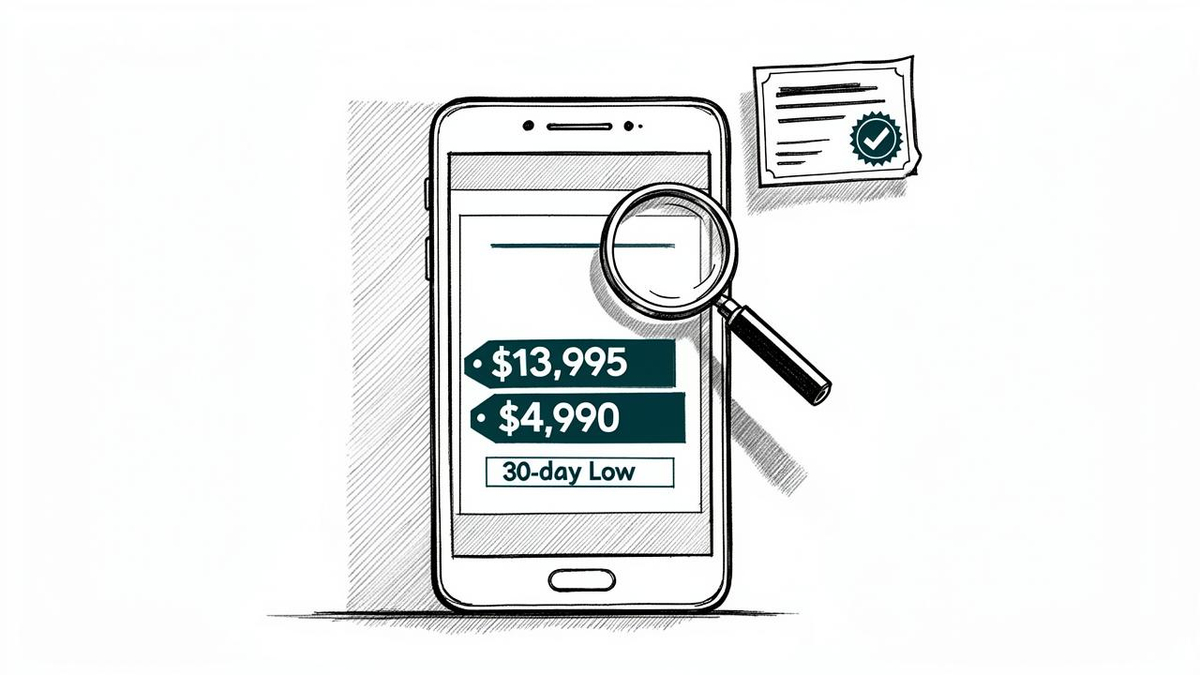
The new rules also establish a precise standard for discount advertising. Whenever a platform announces a price reduction, it must display both the reduced price and the prior price. The prior price is defined as the lowest price at which the product or service was offered during the 30 days preceding the announcement.
This provision directly targets a practice that has drawn regulatory scrutiny following major online sales events. After Flipkart’s Big Billion Days and Amazon’s Great Indian Festival last year, the Department of Consumer Affairs intensified its examination of alleged dark patterns, including additional cash-on-delivery and handling charges added at checkout despite advertised discounts.
Union Minister Pralhad Joshi said at the time that the ministry had received multiple complaints about extra costs being imposed at checkout. “Charging extra for COD is classified as a dark pattern that misleads and exploits consumers,” he said, adding that a detailed probe was underway.
Consumer complaints had specifically flagged charges described as “payment handling fees” and “protect promise fees” being tacked onto discounted purchases.
Dark patterns move from guidelines to mandates
Dark patterns — deceptive user-interface and user-experience practices that nudge consumers into actions they did not intend — were first defined in India’s Guidelines for Prevention and Regulation of Dark Patterns, 2023. Those guidelines identified 13 specific practices, including false urgency, basket sneaking, subscription traps, drip pricing, forced action and bait-and-switch.
Under the amended rules, compliance with those guidelines is no longer voluntary. E-commerce entities must conduct an annual self-audit and prominently display a certificate of compliance. The government had previously issued an advisory asking platforms to complete such audits within three months, but the new rules make the requirement explicit and ongoing.
The advisory also referenced Rule 4(9) of the E-Commerce Rules, which requires consumer consent to be explicit and affirmative — no pre-ticked boxes or hidden opt-ins.
Complaint volumes drive regulatory action
The regulatory intervention comes against a backdrop of surging consumer grievances. The National Consumer Helpline (NCH) recorded 1.77 million complaints in 2025, of which 511,196 — roughly 29% — were related to the e-commerce sector. That represents a 16% increase from the 440,000 e-commerce complaints recorded the previous year.
Over the past five years, nearly 2 million complaints have been filed against e-commerce and quick commerce platforms through the NCH, according to data presented by the government in Parliament in August.
Flipkart alone accounted for 133,000 complaints in 2025, followed by Amazon with 91,248 and Meesho with 29,284.
The amended rules require all e-commerce entities to become convergence partners of the NCH, integrating platforms more closely with the national grievance redressal system. Platforms must also provide complainants with a copy of their complaint as recorded by the platform’s grievance officer.
New disclosure obligations for marketplaces
Marketplace entities face additional requirements under the revised framework. They must provide consumers with key product and transaction information, including best-before or use-before dates, return and refund terms, warranty details, delivery information and payment specifics.
For imported goods, marketplaces must disclose the importer’s details and the country of origin.
The rules also restrict how consumer data can be used. Marketplace e-commerce entities cannot use consumer information for specified purposes without obtaining express and affirmative consent.
Furthermore, platforms are prohibited from collecting bundled fees for services unrelated to the e-commerce platform. The only exception is for loyalty or membership programs.
The Department of Consumer Affairs said the amendments “seek to establish a more transparent, accountable and consumer-centric e-commerce ecosystem, while providing clarity to e-commerce entities on their responsibilities and enabling a level-playing field for businesses operating in the digital marketplace.”
A transition period for platforms
E-commerce companies now have roughly 15 months to bring their systems, disclosures and compliance processes in line with the new requirements. The changes affect how online marketplaces rank products, display advertising, communicate discounts, collect consumer data and disclose product information — areas that increasingly shape the consumer experience well beyond the transaction itself.
The 2020 rules were originally framed under the Consumer Protection Act, 2019 to protect consumers from unfair trade practices in the digital marketplace. The 2026 amendments expand that framework to address evolving business models and digital practices, the department said.
The government has framed the changes as part of a balanced regulatory approach that supports ease of doing business while strengthening consumer safeguards. But for platforms that have built their revenue models around sponsored placements, algorithmic ranking and checkout-time fees, the compliance burden is substantial.
Once added, BigGo Finance appears first in Google Search Top Stories, so you get the broadest, most up-to-the-minute, and most comprehensive global financial news first.
