

Data AnalyticsData governanceGenAI
Google expands Knowledge Catalog with semantic models
Fri, 13th Nov 2026 (Today)
MARA SUGUENews Editor
Google has expanded semantic model support in Knowledge Catalog and made the update generally available. The change brings definitions from several analytics and data platforms into a shared context graph.
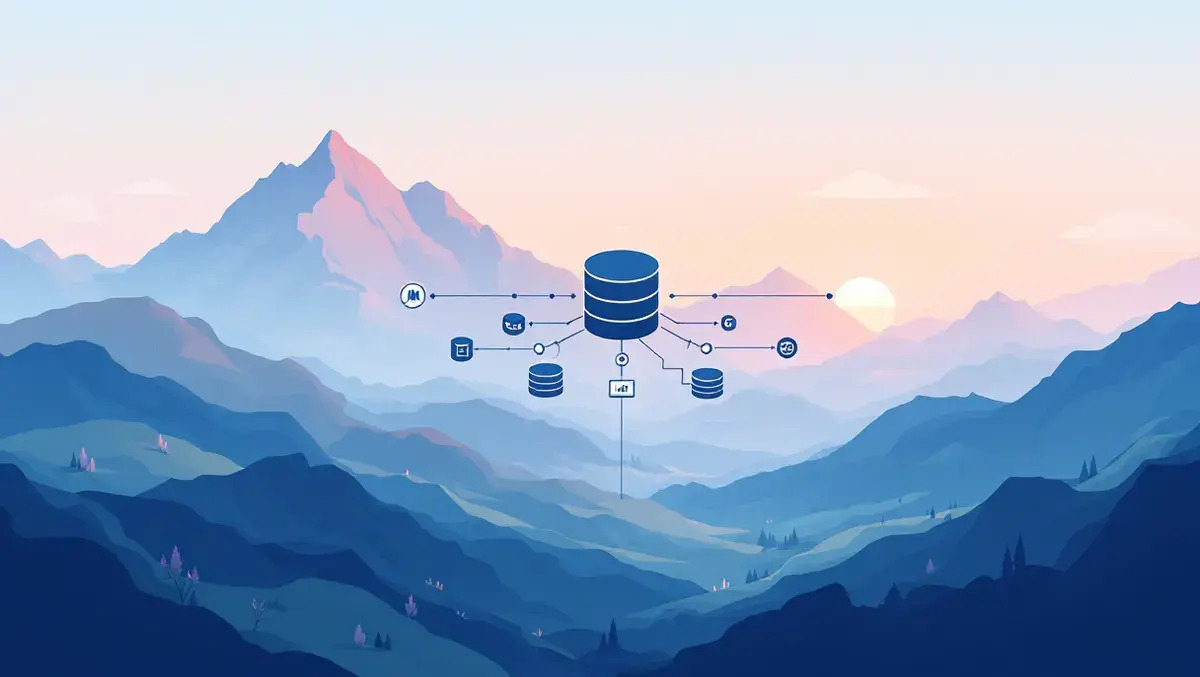
Knowledge Catalog now ingests semantic models and metric definitions from Looker LookML, BigQuery Graph, dbt MetricFlow, Snowflake Semantic Views, Databricks Metric Views and SAP Core Schema Notation. It links those definitions with schema, lineage, data profiles and business glossary metadata without moving data or requiring companies to rewrite business logic.
The update targets a common problem in business reporting and AI-assisted analysis: systems may answer a query in fluent language but still produce the wrong number if they rely on conflicting or unverified definitions. Knowledge Catalog is designed to address that by giving AI agents a singles and data teams
When different tools define the same metric in different ways, Knowledge Catalog keeps both definitions visible and shows their provenance so data stewards can reconcile them. The idea is that the software should not silently overwrite competing definitions, especially when figures such as revenue, margin or customer counts can vary depending on filters, joins or exclusions.
Google said internal benchmarks showed that grounding agents in Knowledge Catalog made them nearly four times more accurate, with up to 33% lower latency and up to 75% fewer tokens. The comparison was between agents using the catalogued business context and agents answering without it.
At the centre of the system is what Google calls a context graph, which maps tables, semantic models, glossary terms and data products as nodes and connects them through lineage, associations, schema keys and joins. The graph also incorporates join paths declared in semantic models and joins inferred from query history, allowing an AI system to move from a business concept to a formula and then to the underlying data sources.
This architecture is intended to reduce the risk of agents drawing on staging tables, stale data or inconsistent definitions. The context graph can also connect semantic definitions to data quality scores, freshness signals and lineage information, allowing systems to assess whether a data
For Looker, the service indexes models, explores, views and dashboards using live synchronisation from Looker Core. Google said this captures compiled metric SQL, join conditions, mandatory filters and lineage from
For BigQuery Graph, the catalog indexes property-graph definitions, node and edge tables, graph measures and business synonyms. The aim is to let agents reason across connected entities using graph traversals rather than multiple table self-joins.
In dbt MetricFlow, Knowledge Catalog linkst results, filters, saved queries, freshness service-level agreements and downstream exposures. In Snowflake, it pulls in Semantic View dimensions, facts, metric formulas, relationships and synonyms, as well as Data Metric Function quality scorecards and masking tags
For Databricks, the service ingests metric view definitions, formulas, filters and join cardinalities from Unity Catalog, together with table certification badges and monitoring results. In SAP environments, the platform captures business labels, modelling patterns, default aggregations, currency and unit bindings, join associations and data sensitivity flags when SAP Business Data Cloud products are federated through Google Cloud Lakehouse.
The release also highlights Google’s effort to tie AI outputs more closely to data governance. Rather than creating a separate layer of business logic for AI systems, the company is seeking to reuse definitions already embedded in reporting, analytics and data engineering tools.
The system can also combine structured semantic models with context extracted from unstructured materials such as operational playbooks, meeting notes, chat threads and code. Google said this self-learning enrichment is driven by Gemini and is intended to keep context current as definitions change.
Another part of the rollout is Knowledge Studio, which remains in preview. Google describes it as a control point for exploring and managing the context graph, including the ability to inspect semantic definitions with natural language prompts and package validated assets into reusable context sets for specific use cases or business domains.
The broader significance of the update is that it addresses one of the central weaknesses of generative AI in enterprise settings: not language generation itself, but weak alignment with internal business definitions. By bringing semantic models from multiple systems into one graph and preserving conflicting versions with layer between corporate data estates and the AI tools that query them
Overlapping definitions remain side by side, each labelled with itson a single version
ChatGPT
Key takeawaysExplain why it mattersCreate action planFuture watch
Claude
Key takeawaysExplain why it mattersCreate action planFuture watch
Perplexity
Key takeawaysExplain why it mattersCreate action planFuture watch
Grok
Key takeawaysExplain why it mattersCreate action planFuture watchShareShareAdd us as a preferred source on Google
Related stories
Google pitches Gemini agent to startups for busyworkGoogle adds Gemini integration to borderless LakehouseAI transforming B2B discovery – but human trust enduresDatabricks launches always-on Genie AI agent for firmsGoogle adds AI & partner tools to air-gapped cloud
Top stories
Wordly expands ANOC deal for Dakar 2026 athlete interviewsArmourCode releases hooks tool to block Claude Code riskGuardz adds Prisma Browser to MSP security platformAI use lengthens workdays by up to 90 minutes, studyGoogle Cloud lets BigQuery query Databricks Iceberg
