

Mon, November 9, 2026 at 1:10 AM UTC
British troops are being sent abroad to disrupt cyber attacks.
Maj Gen Mike Fayers, the commander of the Defence Cyber and Electromagnetic Force, said soldiers were being deployed to stop the attacks in their infancy before they caused widespread disruption.
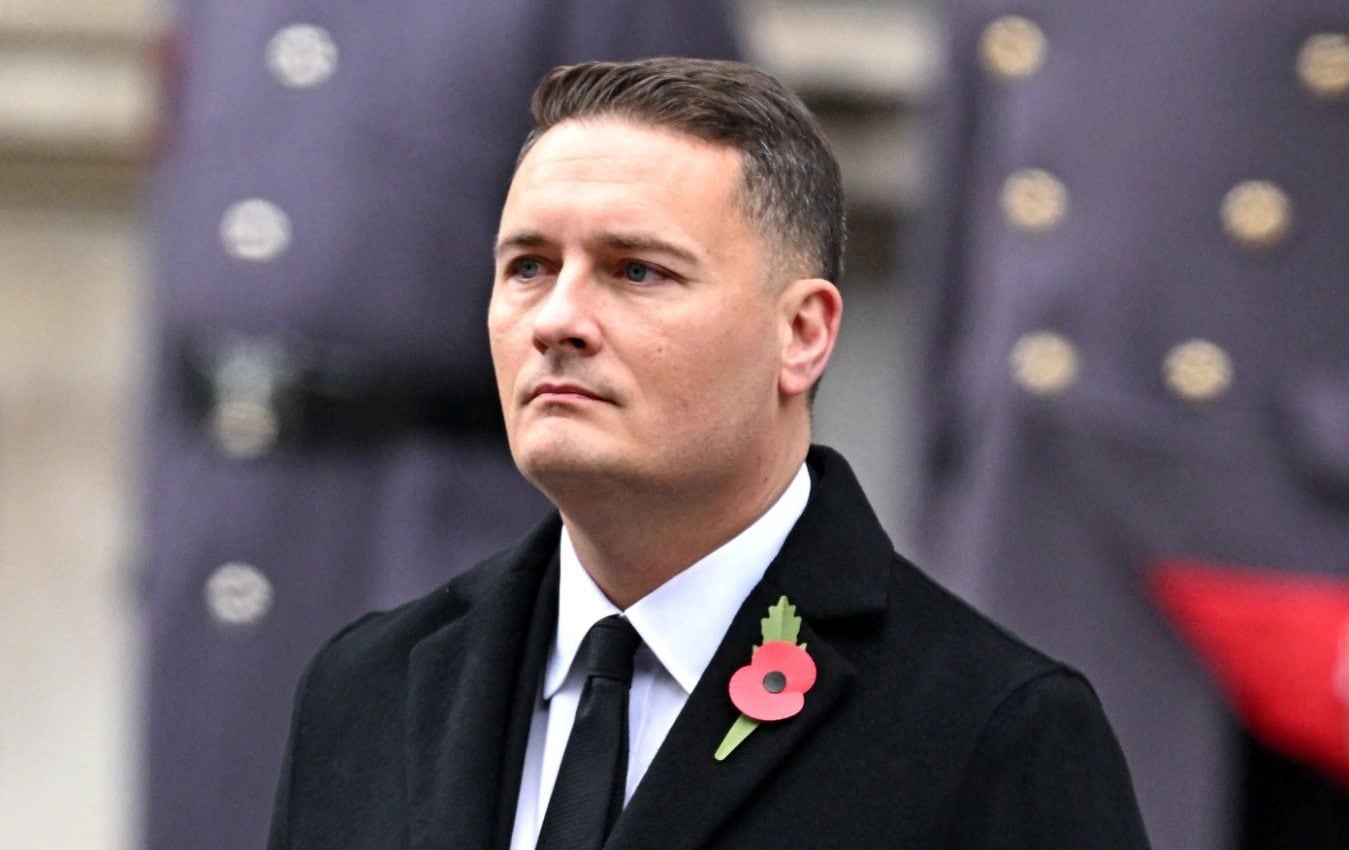
He said the troops are referred to as a “hunt force” and their highly sensitive missions often require approval from Wes Streeting, the Defence Secretary.
His comments follow hacks which have caused widespread disruption across Europe in recent weeks.
Last week, hackers targeted France’s national blood bank, raising the temperature of its cold storage rooms to boiling point.
Meanwhile, dozens of shops across Europe have been hit by cyber attacks on fridges in recent weeks. Hackers turned up the fridge temperatures to as much as 80C in some cases, causing large amounts of food to spoil.

In an interview with The Times, Maj Gen Fayers said of the hunt force: “Whereas historically we have defended on our territory, we are now defending ourselves forward of our own networks.
“We are trying to hunt for our adversaries in places where they prepare before they target UK military systems.
“I mean sending people physically to places to virtually hunt for the adversary to protect our systems.”
He said its existence had never been made public before.
He went on: “Our adversaries are very cunning. This is not just an MoD issue, this is a whole-of-UK challenge.
“We’ve seen AI now exploiting vulnerabilities at a speed we have not seen before. Whereas historically we would have had a few days to fix vulnerabilities, we are now in double-digit minutes to respond to those vulnerabilities.”
He said the missions take place in countries which agree to the deployment of British soldiers. They can deploy on land, by boat, ship or aircraft and can target state actors or criminals, he added.
They could, for example, be deployed against Russian hackers infecting servers in a European country to cause widespread disruption.
Maj Gen Fayers told the newspaper that he hoped his force, unveiled during last year’s strategic defence review, would increase in size over the next few years.
In May last year, the Ministry of Defence (MoD) said it had faced 90,000 cyberattacks from “state-linked sources” over the previous two years, twice the number that took place in the two years prior to that.
Last month, Mr Streeting urged households to stockpile essentials such as baked beans and bottled water in case of cyber attacks.
The Labour government said it would reveal how it intended to raise defence spending to 3 per cent of gross domestic product (GDP) by 2030 at next year’s spending review.
However, ministers are under pressure to bring that forward amid mounting threats from Russia.
John Healey, the Chancellor, quit as Sir Keir Starmer’s defence secretary because of the previous prime minister’s Defence Investment Plan, which he said did not do enough to ensure Britain was ready for war.
However, he has since refused to reveal how he intends to fund an increase in defence spending to 3 per cent of GDP, saying it will be made clear at the spending review.
The Conservatives have called on Andy Burnham to cut welfare spending to fund defence, but the Prime Minister has insisted he will not make “crude cuts” to the bill.
