

Over half a decade after the COVID-19 pandemic and its corresponding lockdowns, 55% of Fortune 100 companies now require employees to work in the office five days a week, up from just 5% in 2021.
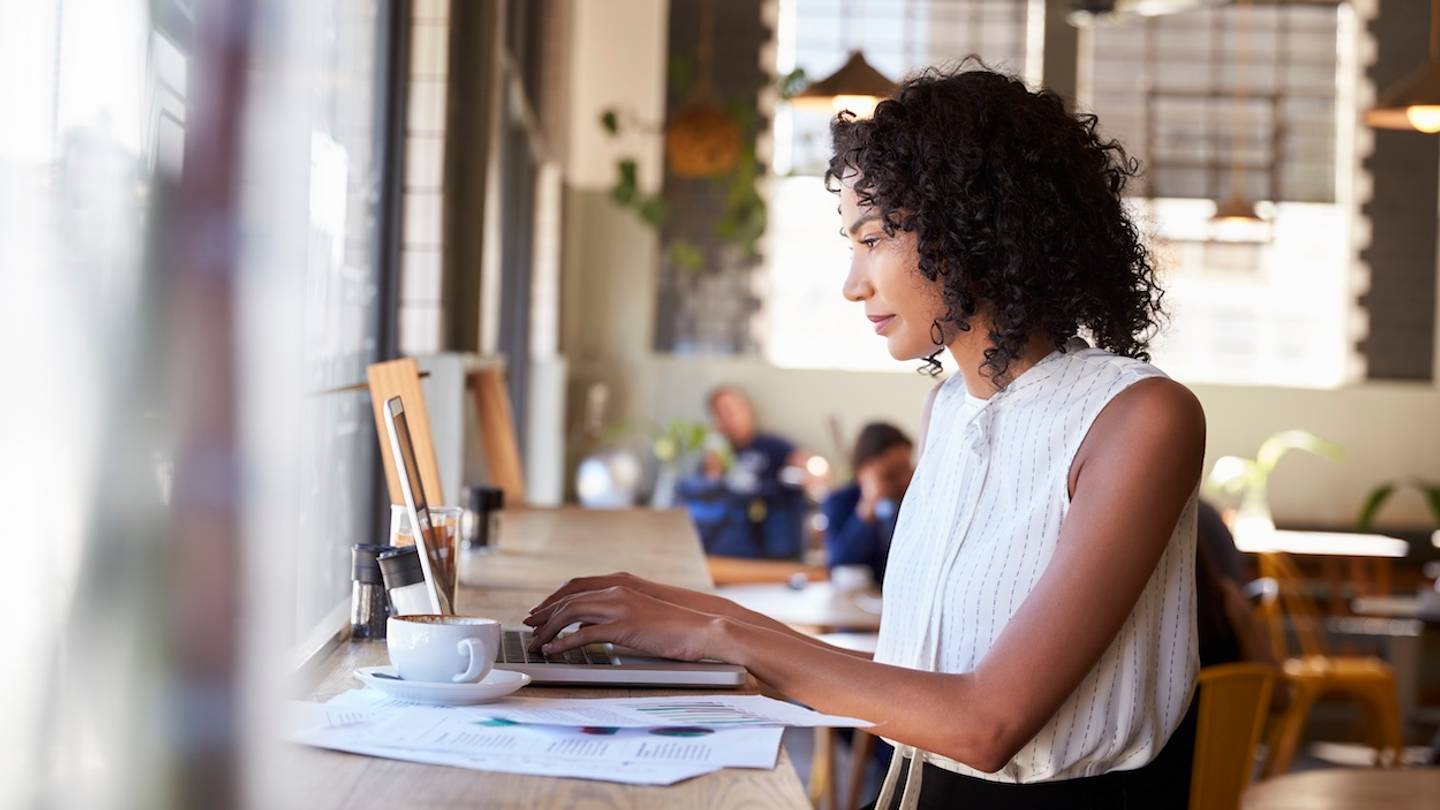
But for a distinct chunk of the American workforce—namely remote workers, freelancers, and students—the work-from-home lifestyle persists. And yet, with no return-to-office mandates in sight, plenty of these free birds choose to recreate the in-office experience at local coffee shops, trading free break room drip for $6 oat milk lattes and grey cubicles for marble communal tables.
The difference is a matter of choice (and, to some extent, aesthetics). But not every city is equally equipped for these “laptop hobos.” From San Francisco to Chicago, cafe work culture is heavily shaped by internet speeds, seating availability, coffee prices, and local Wi-Fi policies. Duel.comanalyzed major U.S. cities to see which ones excel at giving remote workers an office away from the office. Here are the cities where working remote meets coffee shop culture at its best.
San Francisco Runs on Remote Work
San Francisco sets the standard for remote work hotspots—though in most of the over 450 coffee shops scattered across its hilly terrain, you won’t need a hotspot thanks to super-fast internet speeds averaging 1,783 Mbps. With more than one in five residents working remotely, SF’s surplus of cafes and nearly 50 backup coworking spaces keep the digital grind running as smoothly as a freshly pulled espresso shot.
Austin’s reputation as a remote work and tech hub isn’t just hype; the numbers back it up. Coming in second place, the capital of Texas pairs its signature work-hard, play-hard culture with some of the fastest internet in the nation at 2,600 Mbps (fast enough to keep up with back-to-back video calls without blips). With close to a quarter of its workforce operating remotely, Austin offers 179 cafes and over 60 coworking spaces. That makes it easy for young professionals to jump between cloud tools by day and live music by night.
Denver took third place on the list, offering a remote work culture that rivals the nearby West Coast. Nearly one-fourth of workers here are remote, supported by 195 laptop-friendly cafes and 58 coworking spaces. Snagging a seat costs an average of $5.82 per cup, with reliable internet speeds of 2,120 Mbps making the cold brew more than worth it.
What About New York City?
Surprisingly, New York City failed to crack the top 10 for coffee shop workers and coffee in general. Despite long being portrayed in pop culture as a haven for creatives and laptop lovers to type away in cozy neighborhood coffee shops, NYC poses big challenges for modern remote workers. Wi-Fi limits, laptop curfews, and a shortage of seats can make even a cramped New York apartment feel more conducive to productivity than the outside world.
These are the top 10 U.S. cities for cafe workers in 2026:
1. San Francisco, California
2. Austin, Texas
3. Denver, Colorado
4. Charlotte, North Carolina
5. Washington, D.C.
6. Boston, Massachusetts
7. Portland, Oregon
8. Seattle, Washington
9. Chicago, Illinois
10. Philadelphia, Pennsylvania
