

Iran-linked hackers blamed for cyberattack on British energy facility
Lev Shevtsov23
August
2026
12:21
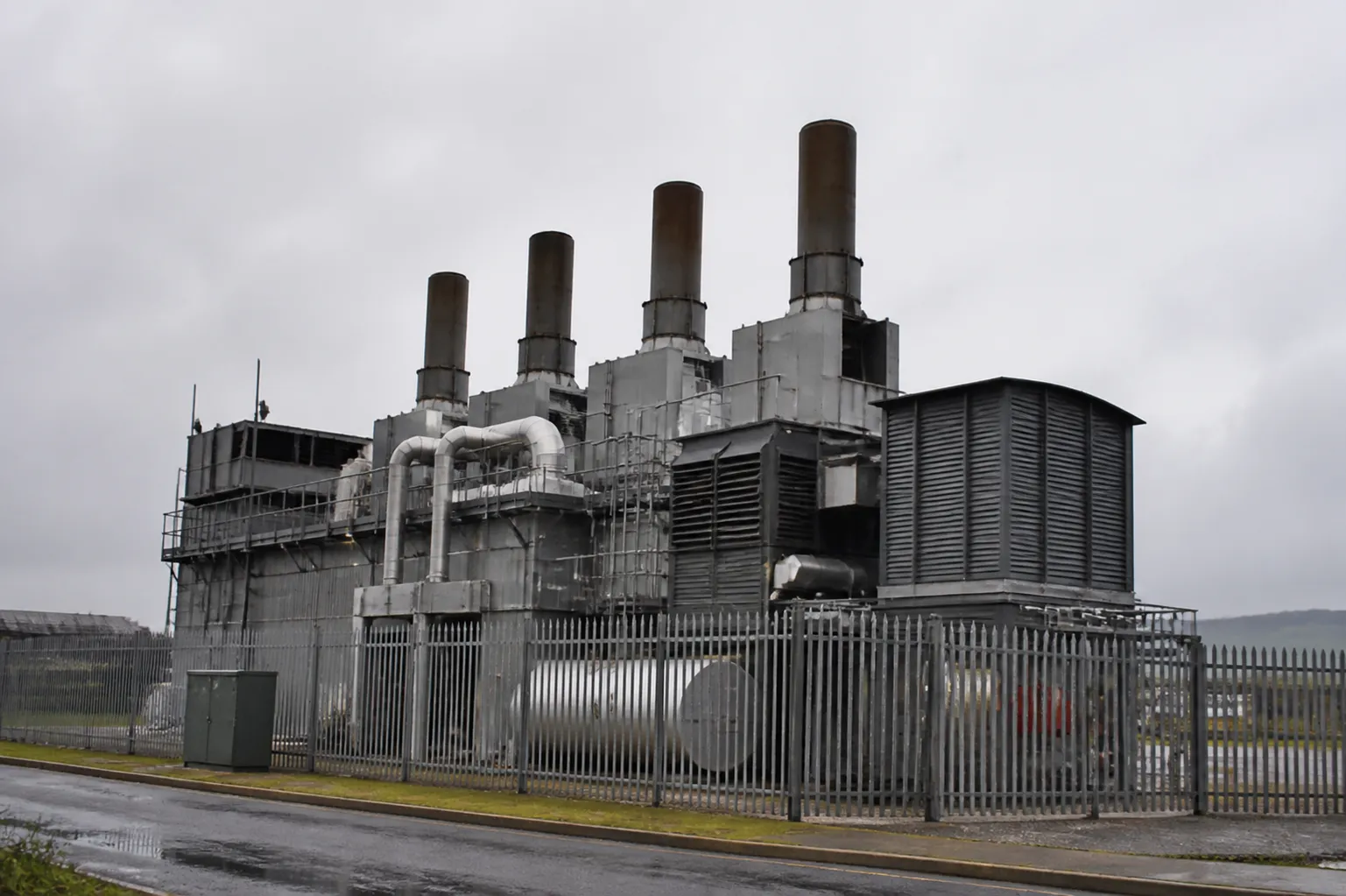
Hackers linked to Iran have been blamed for a cyberattack that caused a small British power generator to temporarily cease operations. According to The Guardian, the facility was out of operation for four days after the attack, which occurred last month.
There was no risk to the energy system
The UK Department for Energy Security and Net Zero said the incident affected a small power generator and posed no risk to the country’s wider energy system. The department also said that the United Kingdom has a resilient energy system and is working with the energy sector to protect infrastructure and maintain high security standards.
As the publication notes, the UK’s National Cyber Security Centre, which deals with attacks on critical infrastructure, likely did not receive reports of disruptions from regulated power plant operators.
More current news is available on the UA.News Telegram channel Telegram.
Context of tensions surrounding the bases
The Guardian describes the incident as a possible escalation of threats from Iran after the United Kingdom allowed the United States to conduct “defensive” operations against Tehran from British bases hosting US aircraft. British authorities said last month that the country was ready to defend itself following a warning from the Iranian military that it considers bases used by the United States for aggression against Iranian territory to be legitimate targets.
US security agencies had previously warned of cyberattacks on critical infrastructure by hackers linked to the Islamic Revolutionary Guard Corps. The United States also said that the Iran-linked group CyberAv3ngers compromised at least 75 devices across several infrastructure sectors in 2023.

