

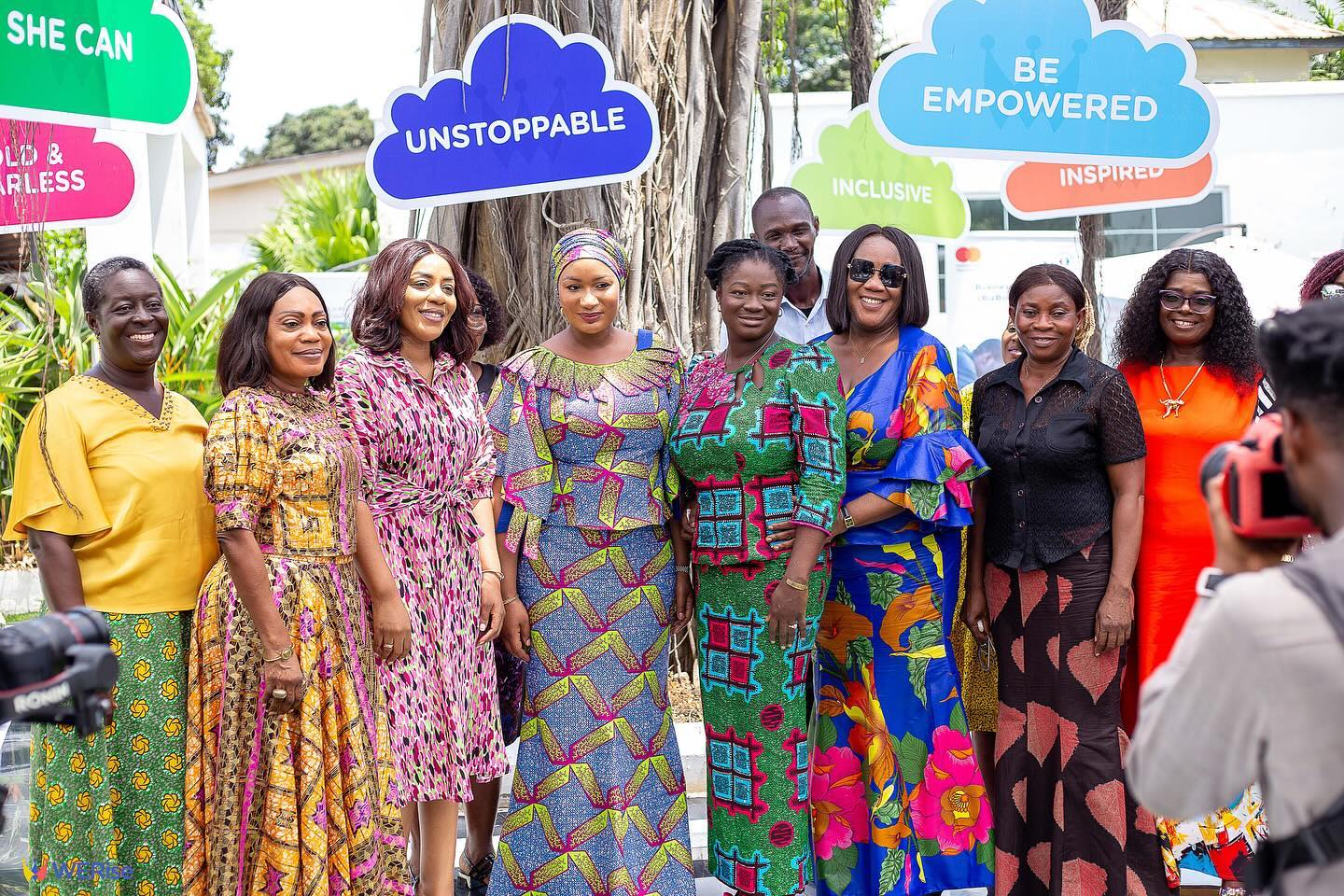
The WeRise Network has reached more than 5,000 women and young entrepreneurs across 12 regions in Ghana through its entrepreneurship and business development programs. CEO Eunice Dewi Adjei announced the figure on Sept. 29 at the organization’s Annual General Meeting in Accra, according to the Ghana News Agency.
About 70 percent of the beneficiaries were young women, Adjei said. The programs aim to help entrepreneurs move from informal businesses to formal, sustainable and scalable enterprises.
How the WeRise Network Trains Entrepreneurs
The meeting’s theme was “Rise and Scale: Celebrating Growth, Building Revenue, Creating Jobs.” Adjei said the organization focuses on capacity building, business formalization, business acceleration and digital skills development. Training is tailored to each business’s needs and growth stage, so informal start-ups and growing firms get different support.

In partnership with the Ghana Enterprise Agency (GEA), the WeRise Network helped formally register 3,632 women-owned businesses. Adjei said formal registration gives owners access to opportunities such as finance and market expansion. Similar efforts are under way elsewhere, as a global push to lower business registration costs shows.
Online Sales and New Jobs
Adjei said the Yenzi Ghana Mall, an initiative under the BizFox Project, recorded more than GH¢1 million in vendor sales last year. Sales have exceeded GH¢2.1 million this year. The mall has more than 300 active vendors offering about 2,000 Made-in-Ghana products.
The initiative has also created about 147 jobs. Each beneficiary earns an average of GH¢1,000 monthly, Adjei said. She described the result as evidence of the direct impact of enterprise development on livelihoods.
Digital Skills for Women-Led Businesses
Through the DigiVibe Business Booster, 209 women-led businesses in Accra and Kumasi received practical training in digital marketing, e-commerce and online payments. In a separate effort, 55 vendors from more than nine regions were trained to accept digital payments through MojoPay. Of those, 22 have since joined the MojoPay e-commerce platform.
The TechServe initiative connects skilled young women and national service graduates to Ghanaian startups. So far, 155 young women have been screened and submitted for placement. The organization aims to place at least 400 young women in decent jobs in information and communications technology. Adjei said it is also expanding digital inclusion and access to financial services and markets. Other groups are also backing founders with structured funding, as when young entrepreneurs secure growth through regional support networks.
What Comes Next for the WeRise Network
Adjei said the WeRise Network will deepen its financial literacy programs. They will cover savings, pensions and investment readiness. The organization also plans to create more market opportunities through exhibitions, pop-up activities and digital promotion of women-owned businesses.
Juliana Bemah Adubofour heads the Women Entrepreneurial Development Directorate at the GEA. She commended the organization for creating a platform where women entrepreneurs can connect, learn, collaborate and grow. She said women-owned businesses contribute significantly to Ghana’s entrepreneurial ecosystem. They still face challenges, including limited access to finance, markets, business knowledge, technology, networks and opportunities to scale.
Adubofour urged women entrepreneurs to use training and networking opportunities. She told them to pay attention to record-keeping, financial management, branding, customer service and digitalization as their businesses grow. Research on access to finance is also under way elsewhere, as with CONAF’s planned barometer in Romania.
The GEA remains committed to working with the WeRise Network, the Mastercard Foundation and other stakeholders, Adubofour said. She said the goal is an environment where women-owned businesses can become competitive, sustainable and growth-oriented. Their growth would create jobs, strengthen families and communities, and contribute to national economic development.
