

AI SecurityRisk & ComplianceAI
Unlocking potential: How expanding leadership pathways for women strengthens cybersecurity
Mon, 31st Aug 2026 (Today)
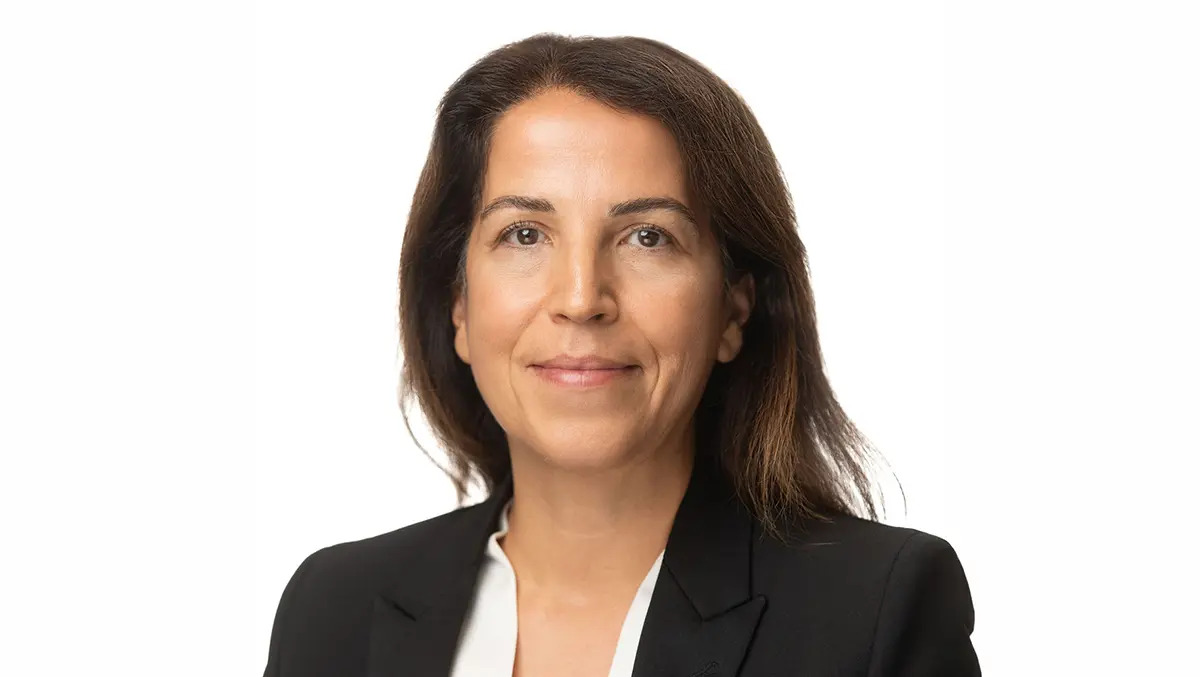
POUPAK ENBOMChief Market and Business Development OfficerYubico
Technical expertise will always be foundational to cybersecurity; however, it is more critical to have diverse representation across security leaders who emerge from a variety of career paths and professional disciplines. Throughout my career, I’ve learned that cybersecurity is fundamentally a strategy and leadership challenge rather than a strictly technical one. When we bring diverse perspectives into the executive suite, it completely transforms how we evaluate risk, design security solutions, and tackle our industry’s persistent talent shortage.
Studies consistently show that homogeneous executive teams share identical blind spots, a critical flaw when up against adversaries who operate across vastly different cultural, technical, and operational mindsets. As emerging technologies like AI and post-quantum computing redefine both defence and attack vectors, research in cognitive diversity emphasises that heterogeneous leadership teams are far better at spotting complex social engineering schemes and security vulnerabilities that single-track approaches miss.
My own journey hasn’t followed a straight line; it has spanned engineering, sales, and marketing. Looking back, every single discipline shaped how I navigate the cybersecurity space today:
-
Engineering grounded me in systematic problem-solving and taught me the value of structure and strong technical foundations.
-
Sales put me face-to-face with customers, grounding my understanding of their business realities and actual risk tolerance.
-
Marketing highlighted the power of communication and the importance of translating technical capabilities into real business outcomes.
None of these fields operates in isolation anymore.
The diversity view is especially vital given the massive workforce deficit we face. Industry workforce surveys repeatedly reveal millions of unfulfilled security roles worldwide. Creating clear, visible routes for women into executive and board positions does more than break down long-standing cultural barriers; it expands our talent pool by showing the next generation that background diversity is an asset, encouraging exceptional professionals from adjacent fields to step in and stay.
The business case is equally compelling. Decades of corporate research, from global management studies to industry benchmarks, confirm that leadership teams with diverse backgrounds consistently deliver stronger financial results, foster deeper innovation, and manage high-stress crises more effectively. In an environment where a single oversight can destroy trust overnight, having leaders with a 360-degree view isn’t just nice to have; it is our strongest
ConnectChatGPT
Key takeawaysExplain why it mattersCreate action planFuture watch
Claude
Key takeawaysExplain why it mattersCreate action planFuture watch
Perplexity
Key takeawaysExplain why it mattersCreate action planFuture watch
Grok
Key takeawaysExplain why it mattersCreate action planFuture watchShareShare<a href="https://www.google.com/preferences/source?q=securitybrief.com.au” rel=”nofollow noopener” target=”_blank”>Add us as a preferred source on Google
Image: Poupak Enbom
Related stories
Abnormal AI adds email controls & phishing trainingIntegrity360 buys CyberIAM to boost identity servicesJFrog clears IRAP check for Australian government useCISOs say AI risk falls with stronger security programmesForcepoint names Vincent Merlin as Chief Marketing Officer
Top stories
Machine vs. machine: The new reality of cybersecurity in ANZMinimum viable company: Recover faster when systems go darkMicrosoft 365 readiness gaps worry MSPs as AI demand growsxReality Group posts record results as defence sales growAidan Tudehope to champion sovereign AI in Australia
