

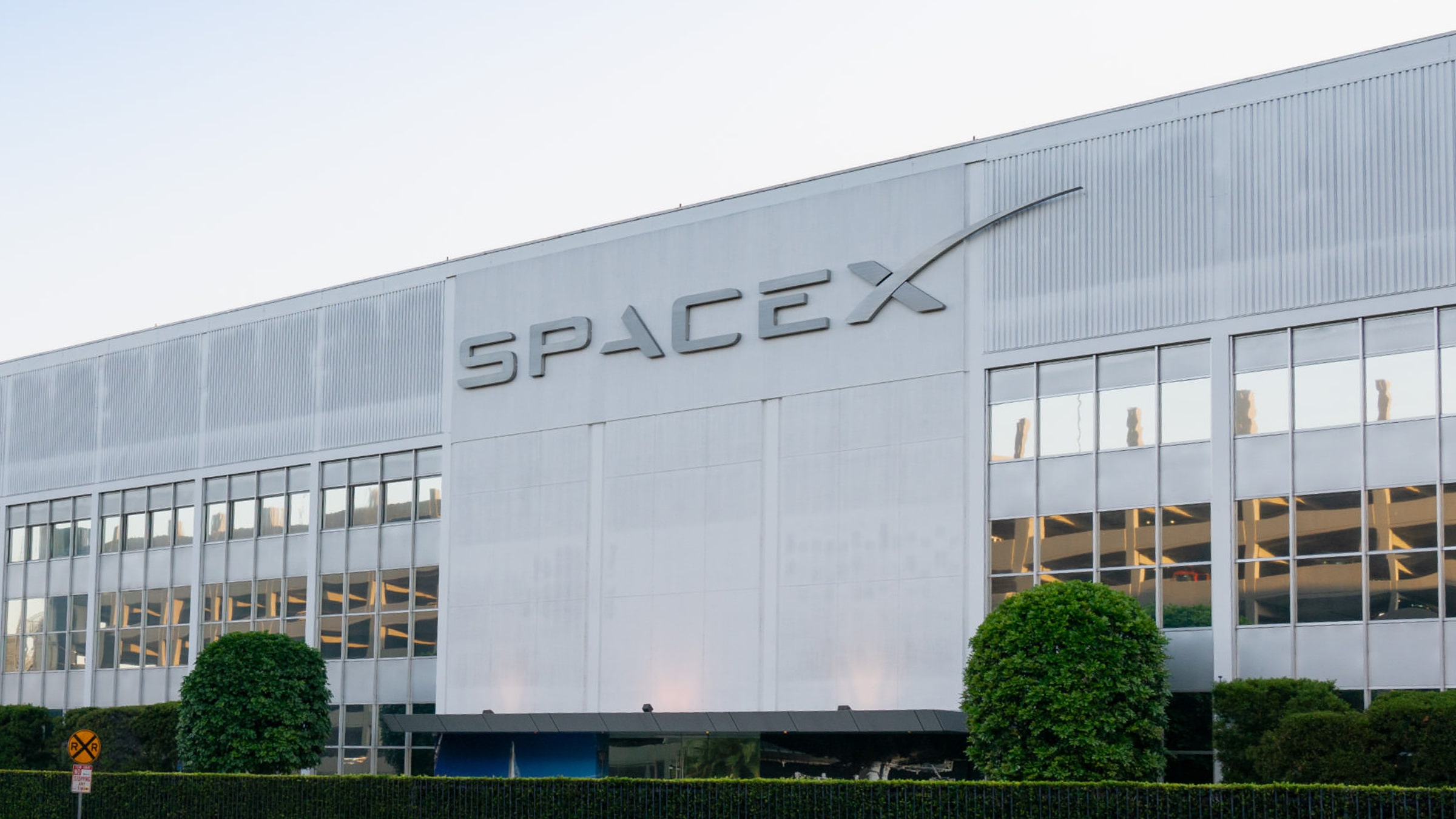
Publicly traded VC funds have been booming this year, amassing billions of dollars of pre-IPO equity as retail investors clamor for exposure to top startups before they go public. But that excitement is reversing, as SpaceX’s SPCX public debut and its wave of expiring share lockups flood the market with supply that scarcity had once made precious.
Closed-end funds marketed to retail investors—including Robinhood Ventures, Fundrise, and ARK Invest—traded at huge multiples to net asset value earlier this year. Retail investors lacking direct access to companies such as Anthropic and OpenAI drove prices higher.
Since SpaceX’s IPO, though, these public venture funds have fallen significantly off their record premiums. Investors say the trend underscores volatility in the nascent retail-oriented strategy, as well as concentration risk in just a handful of such funds.
“A lot of them marketed a name like SpaceX in their portfolio, or others, and it was the first time that individuals really understood that they could participate in these,” says Mark Klein, CEO of Neostellar Capital, a publicly traded VC fund. “You had a fear of missing out by the retail investor, and they went and grabbed names, irrespective of underlying asset value, which is unfortunate.”
In addition to Robinhood, Fundrise, and ARK, retail vehicles run by Powerlaw Capital and Neostellar have been on the rise. “Given the amount of money they have to deploy, they have to chase certain types of deals,” says Aman Verjee, general partner at secondaries firm Practical Venture Capital. “But when you are only focused on these top three or five [pre-IPO companies], and everyone else is, there’s not going to be a lot of value in these companies. You’re at best capturing just the beta in the late-stage private space, and it’s hard to get alpha.”
Recent share price declines and NAV dips in these funds have stemmed largely from SpaceX’s IPO in June, Klein says.
Robinhood Ventures Fund I, whose top two holdings are OpenAI and Databricks, closed Wednesday at $27 per share, declining 3.7% on the day for a 7.6% premium to its NAV of $25.03. Its stock was up 23.1% on the year, despite losing 20.7% in the last month. In May, before SpaceX’s IPO, Robinhood’s RVI was trading at a premium of about 90%.
Still, retail fund managers are looking to capitalize on 2026’s momentum. Reuters reported that Robinhood is aiming to raise about $200 million for its second publicly traded venture fund, RVII, in an Aug. 13 IPO priced at $25 per share. Robinhood plans to use the proceeds to fund Y Combinator startups.
Retail investors have generally been paying a steep premium for access to these hard-to-get names. The investment frenzy in these funds has mirrored the broader rise of the US VC secondaries market, where institutional buyers have chased the same pre-IPO names ahead of 2026’s expected mega-IPOs.
The SEC has also made it easier for retail investors to access private markets. “A lot of [retail investors] got massively overvalued [equity], because the understanding of what the underlying was worth was not as clear as perhaps it is now,” Klein said.
PitchBook’s Q2 2026 US VC Secondary Market Watch pegs the overall size of the US market at $121.7 billion. That said, secondaries investors are expecting a contraction in the market, especially once Anthropic and OpenAI IPO go public.
“These funds are not insulated from this pattern that we’re seeing in the market right now,” says PitchBook senior research analyst Emily Zheng. “This is a very new product, and there is a lot of retail interest. But whether that pricing can be sustained for the long term is tough.”
The author or authors do not own shares in any securities mentioned in this article.
Find out about Morningstar’s editorial policies.
