

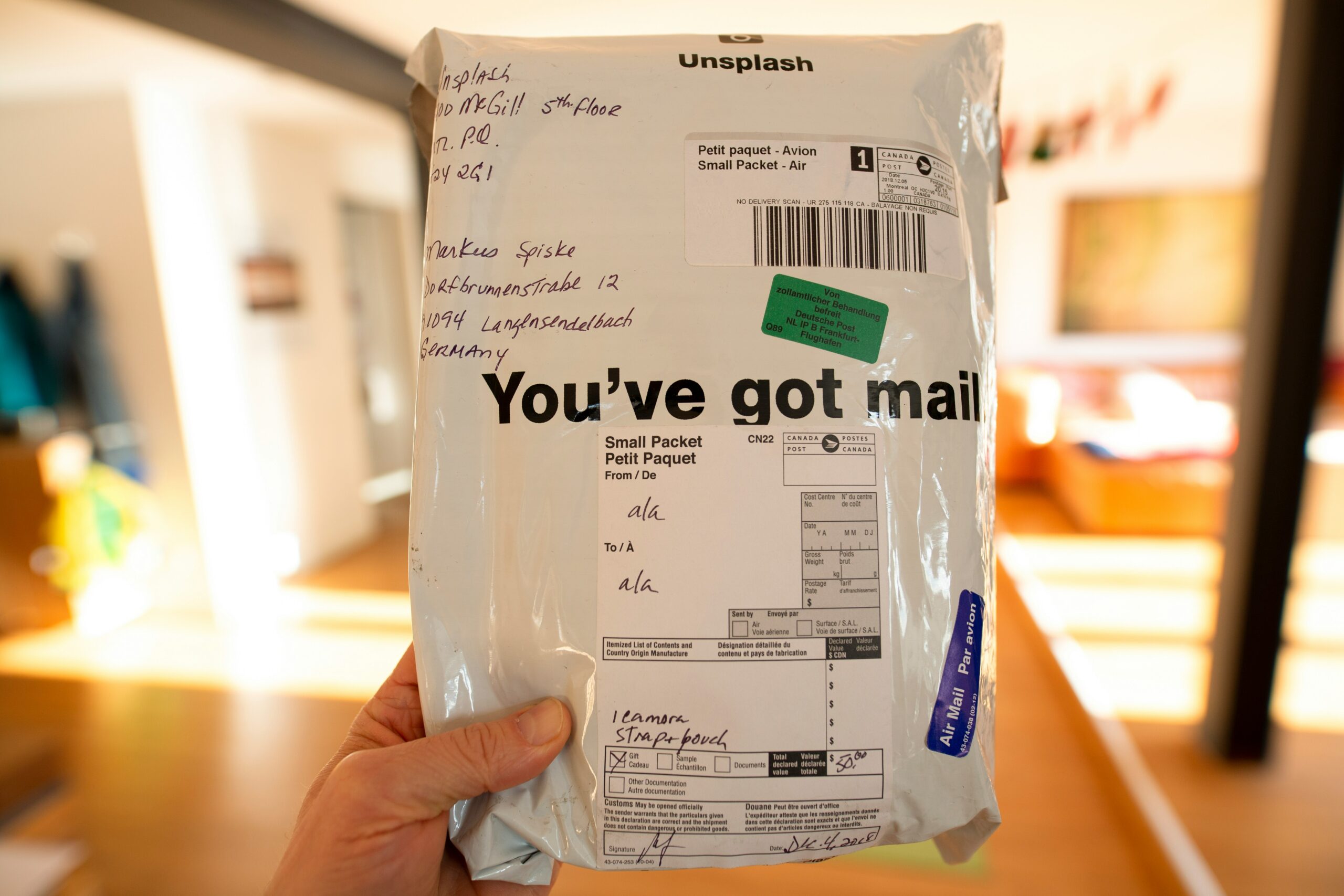
The EU’s new parcel duty is putting pressure on low-cost imports. Sales on Shein, Temu, and AliExpress have fallen sharply in Germany, while customs authorities across Europe report fewer small shipments. The early results suggest the charge is changing trade, although European retailers have yet to see clear benefits.
Since 1 July, the EU has applied a €3 customs duty per product category to e-commerce shipments worth up to €150 from outside the bloc. The measure aims to improve competition and strengthen checks on imported goods. Falling platform sales and changes in shipping practices now provide evidence that it is having an effect. European Commission officials confirmed on Friday that declared low-value imports have fallen by more than 60 per cent since the duty took effect.
German sales fall as imports shrink across Europe
In Germany, combined sales on Shein, Temu, and AliExpress dropped by 35.5 per cent year on year to €566m in the third quarter, according to e-commerce association BEVH. Their combined share of German online retail fell from 5.3 per cent in the second quarter to 3.1 per cent. The consumer survey measures spending, providing evidence of falling purchases beyond changes in customs declarations.
Tariffs alone are not enough.
— Alien Mulyk, BEVH chief executive
BEVH attributed the pressure on low-margin Asian products to higher import charges. However, weakening confidence and rising energy costs also weighed on spending, while domestic retailers had not benefited from their competitors’ decline. “Tariffs alone are not enough,” BEVH chief executive Alien Mulyk said, calling for stronger market surveillance and enforcement.
Italy recorded a 39 per cent decline in low-value parcel imports in July–August compared with May–June, according to figures from Customs Agency Director Roberto Alesse cited in an Italian parliamentary research dossier. In Poland, Finance Ministry figures supplied to PAP showed customs declarations falling from 4.24m in June to 2.11m in July, a monthly decline of 50.1 per cent.
The pattern extends elsewhere. Belgian authorities reported 53 per cent fewer low-value declarations in July than a year earlier. Czech customs figures reported by ČTK showed declared items falling by 81 per cent between June and September, from 13.6m to 2.6m. The figures cover different periods and counting methods, so they illustrate the scale of the adjustment rather than a ranking of declining demand.
Fewer parcels ease pressure on customs
The duty is also changing how goods reach customers. Dutch Customs reported a 46 per cent fall in average e-commerce declarations in its initial July–August comparison with the first-half average, while standard declarations rose by 20 per cent. Its August figures were provisional and covered only the period to 25 August. Retailers appeared to be importing more goods in bulk and storing them in European warehouses before dispatching orders to consumers.
That shift can help customs authorities inspect imports. Dutch Customs Director-General Nannette van Schelven said fewer individual parcels were arriving directly for consumers, “making it easier for us to check whether products are safe”.
Product safety remains a concern: as EU Perspectives reported, the Commission has accepted Temu’s plan to strengthen safeguards after tests exposed unsafe toys and chargers on its platform.
A separate €2 handling fee takes effect on 1 November to help fund customs controls and monitoring. The effects recorded so far therefore precede that additional charge. The July duty is already putting pressure on low-cost platforms and encouraging changes in shipping. However, these changes do not yet show that European retailers are gaining sales.
